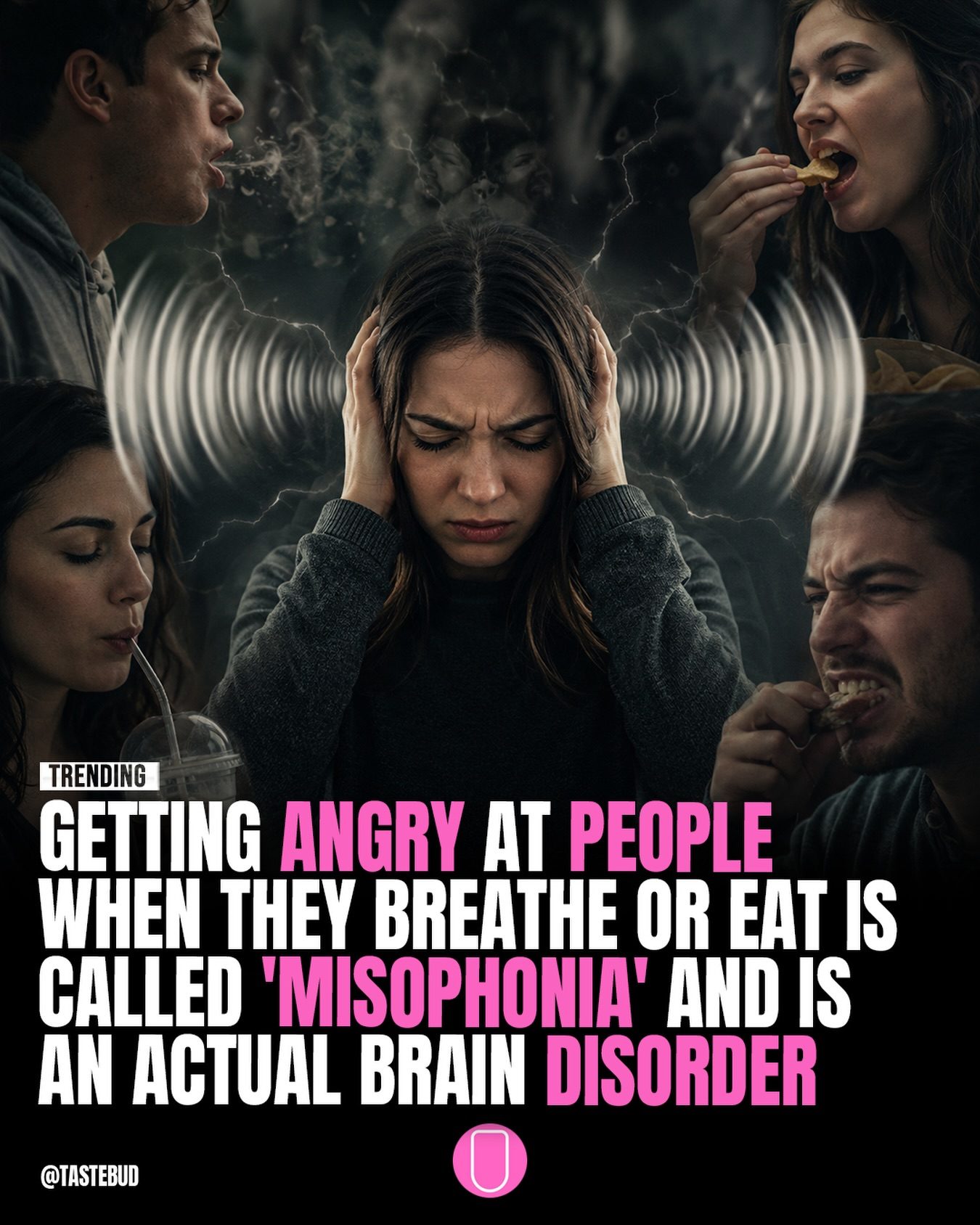
Misophonia Awareness
Misophonia is a condition characterized by an extreme emotional response to specific sounds. These sounds, often innocuous to others, can trigger intense irritation, anger, or distress in individuals with misophonia. The condition is more than just sensitivity to noise; it involves a neurological response that can be both immediate and difficult to control.
Understanding Misophonia
Misophonia is often triggered by everyday sounds such as chewing, breathing, or tapping. These sounds activate parts of the brain associated with stress and threat, leading to a strong emotional reaction. Unlike typical noise irritation, misophonia can cause physical reactions and a heightened sense of urgency, even if the sound is quiet. The emotional response can be so intense that it feels almost involuntary, making it challenging to manage.
Why This Matters
Acknowledging misophonia as a recognized brain disorder is crucial for several reasons. Firstly, it helps destigmatize the condition, ensuring that individuals with misophonia are not dismissed as overly sensitive or dramatic. This recognition can foster a more supportive environment, both at home and in professional settings. Secondly, it encourages further research and development of effective coping strategies and treatments. Understanding the neurological basis of misophonia can lead to better diagnostic tools and therapeutic interventions.
The Science Behind Misophonia
Misophonia is not just about disliking certain sounds; it is a neurological condition that involves multiple brain structures. When a trigger sound is heard, it activates the limbic system, the part of the brain responsible for emotional responses. This activation can lead to a fight-or-flight response, causing feelings of anger, disgust, or panic. Additionally, the amygdala, which processes emotions and memories, also plays a significant role in misophonia. This explains why the reactions can be so immediate and intense.
Common Triggers
While the specific triggers can vary from person to person, some common sounds that often provoke a misophonia response include:
- Chewing and Eating Sounds: The sound of someone chewing, crunching, or slurping food can be particularly irritating.
- Breathing Sounds: Heavy breathing, snoring, or even the sound of someone's nose whistling can be triggering.
- Reptitive Rhythmic Sounds: Tapping, clicking, or any repetitive rhythmic noise can cause distress.
- Whispering: The sound of someone whispering, especially in a quiet environment, can be very irritating.
Practical Tips for Managing Misophonia
Living with misophonia can be challenging, but there are several strategies that can help manage the condition:
Sound Masking
Using white noise machines or earphones to play calming sounds can help mask the triggering noises. This method can be particularly effective in environments where trigger sounds are frequent, such as in the workplace or at home.
Cognitive Behavioral Therapy (CBT)
CBT is a form of therapy that can help individuals with misophonia develop coping mechanisms and change their emotional responses to trigger sounds. By working with a therapist, individuals can learn to recognize and manage their reactions, reducing the impact of misophonia on their daily lives.
Stress Management
Practices like meditation, yoga, and deep breathing exercises can help reduce overall stress levels, making it easier to cope with misophonia triggers. Maintaining a healthy lifestyle, including regular exercise and a balanced diet, can also contribute to better stress management.
Environmental Adjustments
Making changes to the environment can significantly reduce exposure to trigger sounds. For example, using noise-canceling headphones or positioning oneself away from people who make triggering noises can be helpful. Creating a quiet space at home or work can also provide a safe haven from triggers.
Communication
Open communication with family, friends, and colleagues about the condition can foster understanding and support. Explaining the nature of misophonia and how it affects you can help others be more mindful of their actions and the sounds they make.
Important Takeaways
Misophonia is a recognized brain disorder that can significantly impact an individual's quality of life. Understanding the condition and its triggers is the first step towards managing it effectively. While there is no cure for misophonia, various strategies can help mitigate its effects, from sound masking and cognitive behavioral therapy to environmental adjustments and stress management. Recognizing and addressing misophonia can lead to a more supportive and compassionate environment for those affected by the condition.
Conclusion
Misophonia is more than just an annoyance; it is a neurological condition that requires awareness and understanding. By recognizing the science behind misophonia, acknowledging its triggers, and implementing practical management strategies, individuals can better cope with this challenging condition. Raising awareness about misophonia can lead to a more inclusive and supportive society, where those affected can live more comfortably and with greater understanding.
Watch the Reel
Questions readers ask
What are the most common misophonia triggers?
Common misophonia triggers include repetitive sounds like chewing, breathing, or tapping. These sounds often go unnoticed by others but can cause significant distress for individuals with misophonia. The triggers can vary from person to person and may include a variety of other sounds as well.
How does misophonia differ from typical noise sensitivity?
Misophonia is more than just sensitivity to noise. It involves a specific and intense emotional response to particular sounds, often leading to stress and distress. Unlike general noise sensitivity, misophonia triggers a neurological response that can be immediate and difficult to control.
What kind of emotional responses can misophonia cause?
Misophonia can cause a range of intense emotional responses, including irritation, anger, and distress. These reactions can be overwhelming and can make it challenging for individuals with the condition to cope in everyday situations.
Can misophonia cause physical reactions?
Yes, misophonia can cause physical reactions in addition to emotional ones. These can include increased heart rate, muscle tension, and a heightened sense of urgency, even if the triggering sound is quiet. The physical responses can be as immediate and strong as the emotional ones.
What are some strategies for managing misophonia?
While there is no cure for misophonia, some coping strategies can help manage the symptoms. These include using noise-canceling headphones, practicing mindfulness or relaxation techniques, and seeking support from professionals or support groups. It's important to find what works best for the individual.
How can family and friends support someone with misophonia?
Family and friends can support someone with misophonia by understanding the condition and being patient. This may involve avoiding triggering sounds when possible, and being supportive when symptoms do occur. Open communication about triggers and feelings can also help to manage the condition.
What should I do if I think I have misophonia?
If you think you have misophonia, it's important to consult with a healthcare professional for an accurate diagnosis and guidance. They can help you understand your triggers, and develop a plan for managing your symptoms and improving your quality of life.
Related deep dives
Similar reads based on topic and creator.


Recent articles
Fresh deep dives from the latest Reels we unpacked.




Comments
Be the first to comment.