Medical Adhesive for Treating Varicose Veins
Varicose veins are a common condition affecting millions of people worldwide. They are enlarged, twisted veins that develop when the tiny valves inside them weaken, allowing blood to pool instead of flowing properly back toward the heart. Traditional treatments for varicose veins often involve invasive surgical procedures, but recent advancements in medical technology have introduced a minimally invasive procedure that uses a specially formulated medical adhesive to treat varicose veins.
Why This Matters
Varicose veins are more than just a cosmetic issue; they can cause discomfort, pain, and even lead to more serious health problems if left untreated. The development of a minimally invasive procedure that effectively treats varicose veins is a significant breakthrough. This procedure not only reduces the visible appearance of varicose veins but also allows patients to quickly return to their normal daily activities, making it a more convenient and less disruptive option for those seeking treatment.
The Procedure: Step-by-Step
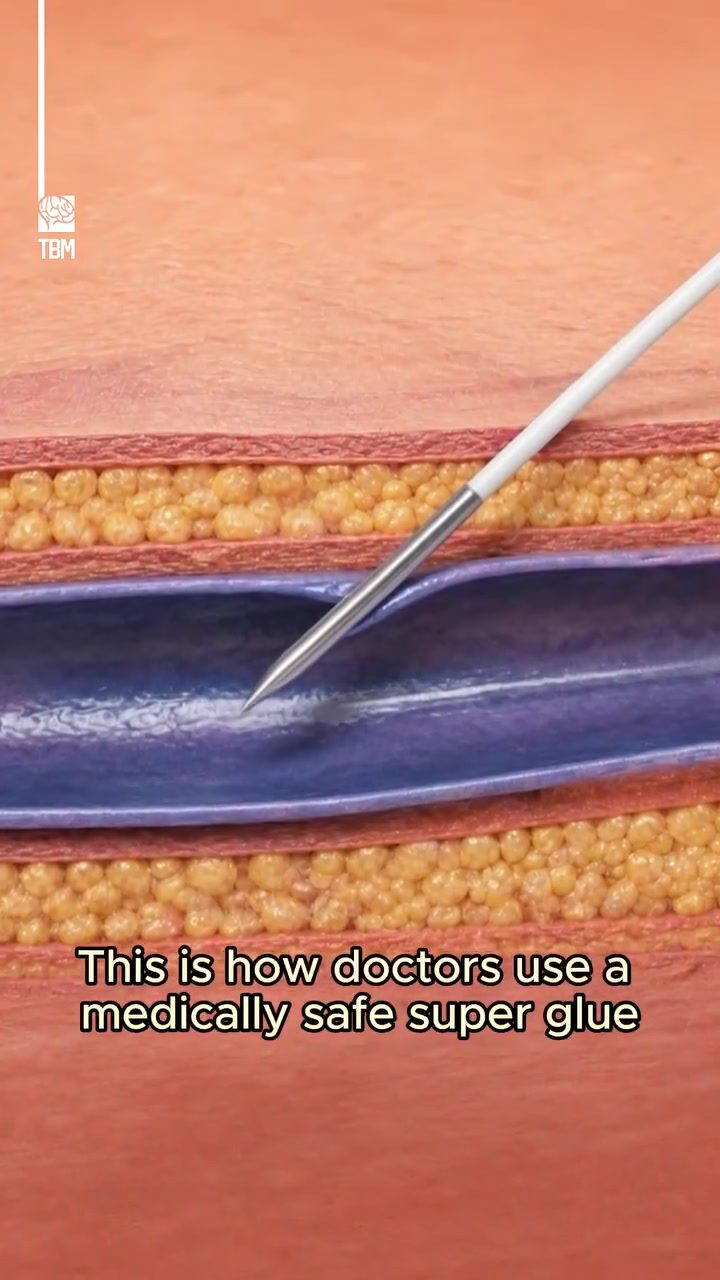
The procedure begins with an ultrasound to map the damaged vein. This step is crucial as it helps the doctor precisely locate the affected area. After the skin is cleaned and numbed, the doctor makes a tiny opening and inserts a thin catheter into the vein. The procedure is guided by ultrasound, ensuring that the medical adhesive is delivered accurately.
Using continuous ultrasound guidance, small amounts of a specially formulated medical adhesive are delivered along the vein. The adhesive, which is medically safe, seals the vein shut almost instantly. This prevents blood from flowing through the damaged vein and redirects it through nearby healthy veins. Over the following weeks and months, the sealed vein is gradually broken down and absorbed by the body, causing the visible varicose vein to fade.
The Role of Ultrasound Guidance
Ultrasound guidance is a critical component of this procedure. It allows doctors to precisely deliver the medical adhesive, ensuring that the correct areas are targeted. This level of precision is essential for the effectiveness of the treatment and for minimizing any potential complications.
The use of ultrasound also helps in monitoring the procedure in real-time, providing immediate feedback to the doctor. This ensures that the adhesive is applied correctly and that the vein is sealed effectively. The continuous guidance throughout the procedure helps in achieving optimal results and ensuring patient safety.
Benefits of the Procedure
One of the most significant benefits of this procedure is that it is minimally invasive. Unlike traditional surgical methods, this procedure involves only a tiny opening in the skin and the insertion of a thin catheter. This reduces the risk of complications and allows for a quicker recovery time.
Most patients can walk immediately after the procedure and quickly return to their normal daily activities. This makes it a convenient option for those who need to resume their daily routines without extended downtime.
Long-Term Effectiveness
The procedure's effectiveness is not limited to the immediate post-procedure period. Over time, the body gradually breaks down and absorbs the sealed vein, leading to a reduction in the visible appearance of varicose veins. This long-term effect ensures that the treatment is both immediate and lasting, providing patients with a reliable solution to their varicose vein problems.
Practical Tips for Patients
If you are considering this procedure, it is essential to consult with a qualified healthcare professional. They can provide you with detailed information about the procedure, its benefits, and any potential risks. Here are some practical tips to help you prepare:
- Consult with a Specialist: Ensure that you are consulting with a specialist who has experience in performing this procedure. They can provide you with the best possible care and guidance.
- Follow Pre-Procedure Instructions: Your doctor will provide you with specific instructions to follow before the procedure. This may include avoiding certain medications or making lifestyle changes. Following these instructions is crucial for the success of the procedure.
- Prepare for Recovery: Although the procedure is minimally invasive, it is still important to prepare for the recovery process. This may include arranging for transportation home and taking a few days off from work to rest and recover.
- Stay Informed: Stay informed about the procedure and ask any questions you may have. Understanding the process and what to expect can help alleviate any anxiety or concerns you may have.
Important Takeaways
The use of a specially formulated medical adhesive to treat varicose veins represents a significant advancement in medical technology. This minimally invasive procedure offers a safe and effective alternative to traditional surgical methods, providing patients with a quicker recovery time and long-term benefits. If you are considering this procedure, consult with a qualified healthcare professional to determine if it is the right option for you.
Conclusion
The development of a minimally invasive procedure that uses a specially formulated medical adhesive to treat varicose veins is a significant breakthrough. This procedure not only reduces the visible appearance of varicose veins but also allows patients to quickly return to their normal daily activities. By understanding the benefits and practical aspects of this procedure, you can make an informed decision about your varicose vein treatment options. Consult with a qualified healthcare professional to explore this innovative solution and determine if it is the right choice for you.
Watch the Reel
Questions readers ask
What is the main advantage of using medical glue for varicose vein treatment?
The primary advantage is the minimally invasive nature of the procedure. Unlike traditional surgical methods, this treatment involves a simple injection of medical adhesive, which reduces patient downtime and minimizes potential complications.
How does the medical adhesive work in varicose vein treatment?
The medical adhesive seals off the damaged veins, effectively preventing blood from pooling. This redirects blood flow to healthier veins, reducing discomfort and minimizing the visible appearance of varicose veins.
What can I expect during the vein sealing procedure?
During the procedure, doctors use ultrasound to guide the injection of the medical adhesive into the targeted veins. The adhesive hardens quickly, sealing the vein and redirecting blood flow away from it.
Are there any specific aftercare instructions for this treatment?
After the procedure, patients are generally advised to wear compression stockings for a few days to help support the treated veins and reduce swelling. Walking and light exercise is encouraged, but strenuous activities should be avoided for a short period.
Can this treatment be performed by any vein specialist?
Not every vein specialist may offer this treatment, so it is important to consult with your healthcare provider to find a specialist who is trained in using medical adhesive for varicose vein treatment.
Is the use of medical glue in varicose vein treatment safe?
Yes, the medical adhesive used in this procedure is specifically formulated for vein treatment and has been approved for this purpose. As with any medical procedure, it is important to discuss potential risks and benefits with your doctor.
How soon can I expect to see results after varicose vein treatment with glue?
Many patients begin to notice an improvement in symptoms and the appearance of varicose veins within a few days to a week after the procedure. However, full results, including the reduction of visible veins, may take several weeks to become fully apparent.
Recent articles
Fresh deep dives from the latest Reels we unpacked.




Comments
Be the first to comment.