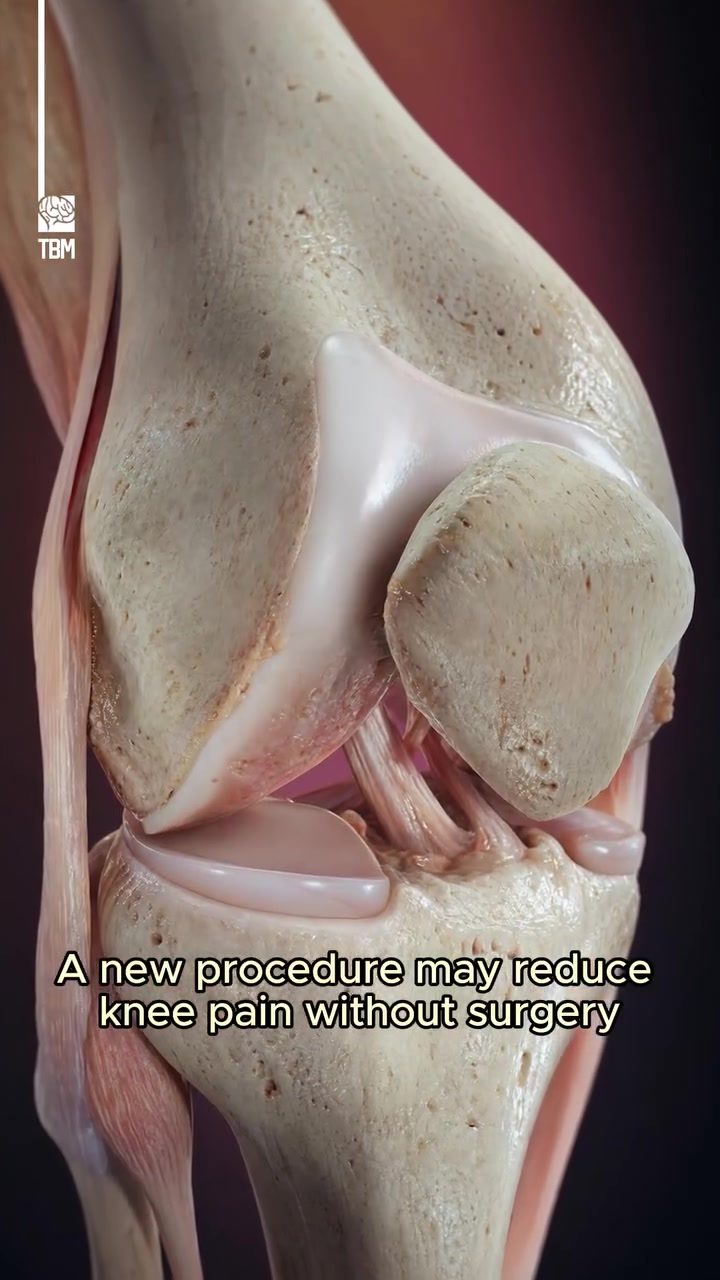
Knee Pain Treatment
Knee osteoarthritis is a common ailment that affects millions of people worldwide, causing significant pain and disability. Traditional treatments often involve physiotherapy, anti-inflammatory drugs, or joint injections, and in severe cases, knee replacement surgery. However, a new minimally invasive procedure is gaining attention for its potential to reduce knee pain without the need for surgery. This procedure, known as genicular artery embolization (GAE), is being explored by researchers at Charité, Universitätsmedizin Berlin, and could revolutionize the management of chronic knee pain.
Why This Matters
For many individuals suffering from knee osteoarthritis, the pain can be debilitating. This new procedure offers a promising alternative to surgery, which is often seen as a last resort due to its invasive nature and lengthy recovery time. GAE provides a less invasive option that can potentially improve quality of life and reduce the need for more invasive procedures.
Main Discussion
What is Genicular Artery Embolization (GAE)?
GAE is a minimally invasive procedure designed to alleviate pain associated with knee osteoarthritis. The process involves temporarily blocking abnormal blood vessels around the damaged joint. These vessels are linked to inflammation and pain-sensing nerves, which are major contributors to the discomfort experienced by patients. By blocking these vessels, the procedure aims to reduce inflammation and, consequently, pain.
How Does GAE Work?
Doctors use tiny dissolvable gel microspheres that naturally disappear after a few hours. These microspheres are injected into the genicular arteries, which supply blood to the knee joint. By blocking these arteries, the procedure disrupts the blood flow to the inflamed and painful areas, thereby reducing inflammation and pain.
The Study and Its Findings
A study conducted at Charité, Universitätsmedizin Berlin, involved 194 patients who had not found relief from physiotherapy, anti-inflammatory drugs, or joint injections. The average pain score of these patients before the treatment was 7 out of 10. After undergoing GAE, the average pain score dropped to 3 out of 10 after 12 months. This significant reduction in pain was accompanied by improved movement and an enhanced quality of life. Notably, patients reported no major side effects from the procedure.
Comparison with Traditional Treatments
Traditional treatments for knee osteoarthritis often include physiotherapy, anti-inflammatory medications, and joint injections. While these methods can provide some relief, they may not be effective for everyone, and their benefits can be temporary. For those who do not respond to these treatments, knee replacement surgery is often the next step. However, surgery is invasive and comes with its own set of risks and a lengthy recovery period. GAE offers a middle ground, providing a less invasive option that can potentially delay or even eliminate the need for surgery.
Practical Tips
If you are considering GAE or any other treatment for knee osteoarthritis, it is essential to consult with a healthcare professional. Here are some practical tips to help you navigate this process:
Consult a Specialist
Seek advice from a specialist in orthopedics or rheumatology. They can provide a thorough evaluation of your condition and discuss the potential benefits and risks of GAE compared to other treatments.
Understand the Procedure
Educate yourself about the GAE procedure. Learn about the steps involved, the expected outcomes, and any potential side effects. This knowledge will help you make an informed decision and manage your expectations.
Consider Your Options
Weigh the benefits and drawbacks of GAE against other treatment options. Consider your lifestyle, pain levels, and overall health when making your decision.
Prepare for the Procedure
If you decide to undergo GAE, follow your doctor's instructions for preparation. This may include avoiding certain medications, fasting before the procedure, or other specific instructions.
Follow-Up Care
After the procedure, adhere to your doctor's recommendations for follow-up care. This may include physical therapy, pain management strategies, and regular check-ups to monitor your progress.
Important Takeaways
- GAE is a minimally invasive procedure that targets abnormal blood vessels around the damaged knee joint, reducing inflammation and pain.
- The procedure involves injecting dissolvable gel microspheres into the genicular arteries, which block blood flow to the painful areas.
- A study involving 194 patients showed significant pain reduction and improved quality of life after 12 months, with no major side effects reported.
- GAE offers a promising alternative to traditional treatments and surgery for managing chronic knee pain.
- Consulting with a specialist and understanding the procedure is crucial for making an informed decision.
Conclusion
Genicular artery embolization (GAE) represents a significant advancement in the management of knee osteoarthritis pain. By providing a minimally invasive option that can reduce pain and improve quality of life, GAE offers hope to those who have not found relief through traditional treatments. As research continues, GAE could become a standard option for managing chronic knee pain, potentially delaying or even eliminating the need for more invasive procedures.
Watch the Reel
Questions readers ask
What is genicular artery embolization (GAE) and how does it help with knee pain?
Genicular artery embolization is a minimally invasive procedure that targets the small blood vessels around the knee joint. By temporarily blocking these vessels, the procedure reduces inflammation and alleviates chronic knee pain, which is often associated with conditions like osteoarthritis. It offers a non-surgical alternative for pain management in damaged knee joints.
How does GAE compare to traditional knee pain treatments?
Traditional knee pain treatments include physiotherapy, anti-inflammatory drugs, and joint injections, with knee replacement surgery being the last resort. GAE, on the other hand, is a minimally invasive procedure that avoids injections, surgery, and potentially reduces the need for anti-inflammatory drugs.
Is GAE a suitable alternative to knee surgery for everyone with knee pain?
While GAE presents a promising alternative to knee surgery, it may not be suitable for everyone. It is particularly beneficial for those seeking to avoid surgery or injections. Consultation with a healthcare provider is necessary to determine if GAE is the right choice based on the individual's specific condition and medical history.
What can patients expect during and after the GAE procedure?
The GAE procedure involves inserting a small catheter into the groin or wrist area and guiding it to the knee joint. Once there, tiny particles are released to block the targeted blood vessels. The procedure typically takes around 90 minutes. Patients might experience some local tenderness and bruises at the insertion site, but recovery is generally quick, allowing patients to resume daily activities soon after.
Can GAE help reduce knee inflammation?
Yes, one of the primary benefits of GAE is its ability to reduce inflammation in the knee joint. By temporarily blocking the blood vessels that supply the inflamed area, the procedure helps to decrease swelling and pain, providing relief for those suffering from osteoarthritis or other inflammatory conditions.
How does GAE fit into the broader spectrum of osteoarthritis knee pain management?
GAE is an emerging option in the broader spectrum of osteoarthritis knee pain management. It offers a unique, minimally invasive approach to reduce knee pain and inflammation. For those who have not found relief through traditional methods or wish to avoid surgery, GAE provides a promising new avenue for pain management.
What are the advantages of choosing GAE over other anti-inflammatory knee treatments?
GAE offers several advantages, including its minimally invasive nature, avoidance of injections, and potential to reduce the need for long-term anti-inflammatory medications. Unlike joint injections, GAE targets the root cause of inflammation by blocking specific blood vessels, providing a more targeted and long-lasting relief option.
Recent articles
Fresh deep dives from the latest Reels we unpacked.




Comments
Be the first to comment.