
The Deluge that Shattered Mingkeng Village
Mudslides wreaking havoc is not an uncommon sight in China, especially in regions with steep hills and heavy rainfall. However, the catastrophe that struck Mingkeng Village, in Jiangxi Province, Sep 5, 2026, was particularly devastating. A torrent of mud crashed through the village, leaving destruction in its wake. One person was lost, and eleven remain unaccounted for. The village's infrastructure suffered significant damage. Homes lay strewn with debris, and the once verdant landscape was marred by a massive mudflow. The sight of emergency responders in yellow and black uniforms, diligently surveying the wreckage, underscored the severity of the disaster.
The Immediate Impact
Having suffered through previous natural disasters, the Chinese government has established systems for handling such events. Responder teams were swift to arrive on the scene. Their immediate priority was to scour the rubble for any survivors, but their task is daunting. They must navigate through sheer mud and twisted remains of buildings—all while time is of the essence. The hillside above the village, once covered in trees, now serves as a grim reminder of the power unleashed by the landslide. Equipment, including digging tools and heavy machinery, were brought in to sift through the debris. However, mudslides often obscure the landscape with heavy deposits, making the search a slow and meticulous endeavor. Newer methods using satellite imagery and drones can help survey the extent of the damage and guide search efforts more efficiently. The responders' goal is to find the missing villagers as quickly as possible, before the window of survival narrows.
Slipping Away
Mudslides in China are often linked to environmental factors such as heavy rainfall coupled with deforestation, which leaves soil exposed and unstable. These elements, along with the rugged landscape, make such incidents particularly dangerous. The village's proximity to a steep hillside exacerbated the risk. Mudslides can happen swiftly and with little warning. When the first signs of a mudslide appear, it’s not always clear how fast the slide will advance. The hillside above Mingkeng Village is typical of the terrain in the region, with dense vegetation and steep slopes. There was little early insight into these conditions. Initial signs of ground movement often go unnoticed, and by the time the threat is identified, it may already be too late. Mingkeng Village illustrates a tragic case in point: the slide advanced swiftly, catching residents unprepared. Acknowledging the risk that mudslides pose, China has implemented protocols for identifying and addressing high-risk areas. These include evacuation plans and early warning systems, along with ongoing monitoring of steep slopes. Early interventions draw on the latest scientific understanding of the mechanisms behind landslides and have been designed to mitigate some of the threat. However, the effectiveness of these measures depends on a timely response and a robust infrastructure that can support such efforts.
What Lies Beneath
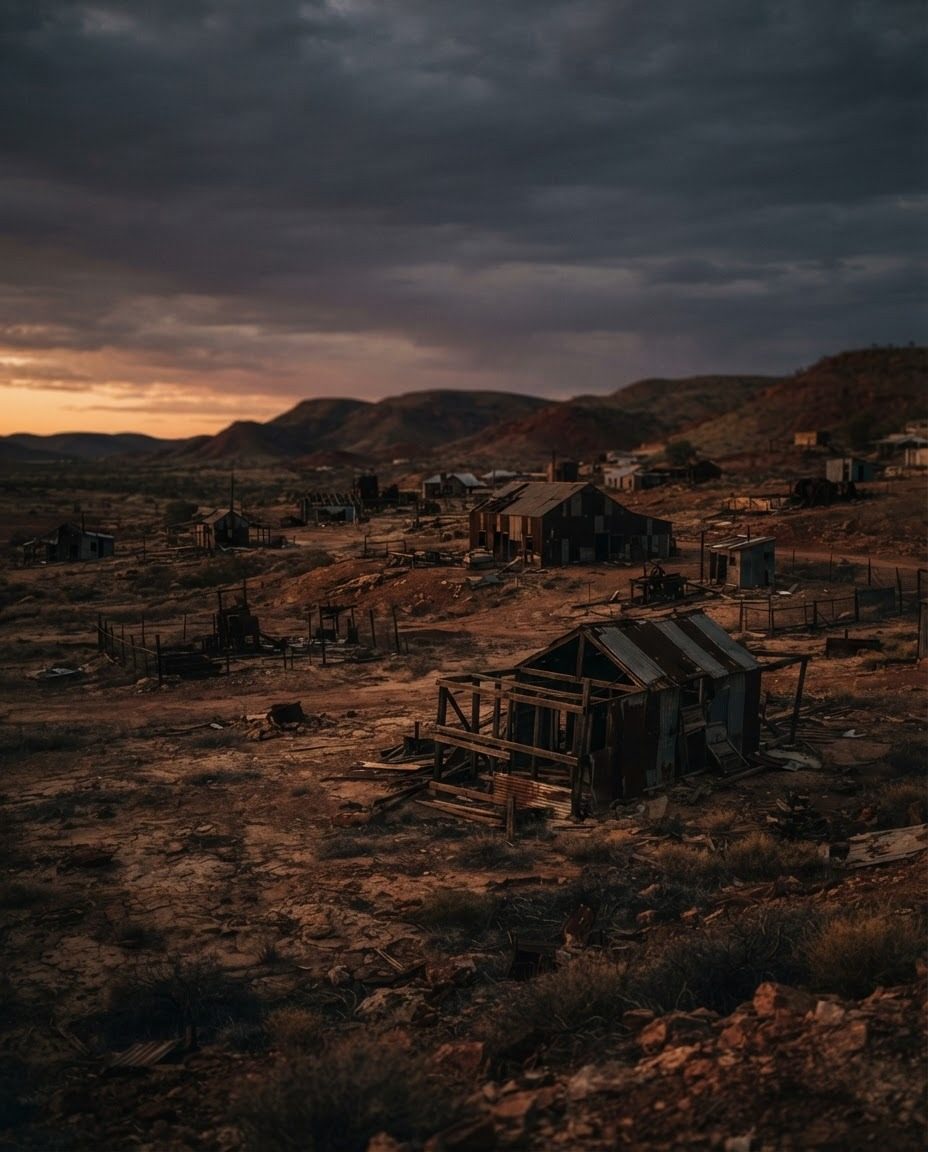
Earth Signal, the agency behind this editorial visualization, has emphasized the importance of preparedness in the face of natural disasters. The goal of these visualizations is to raise awareness and promote preparedness, urging governments and communities to mitigate the risks of such disasters. Better preparedness can often mean the difference between a manageable event and a catastrophe.
Watch the Reel
Related deep dives
Similar reads based on topic and creator.


Recent articles
Fresh deep dives from the latest Reels we unpacked.




Comments
Be the first to comment.