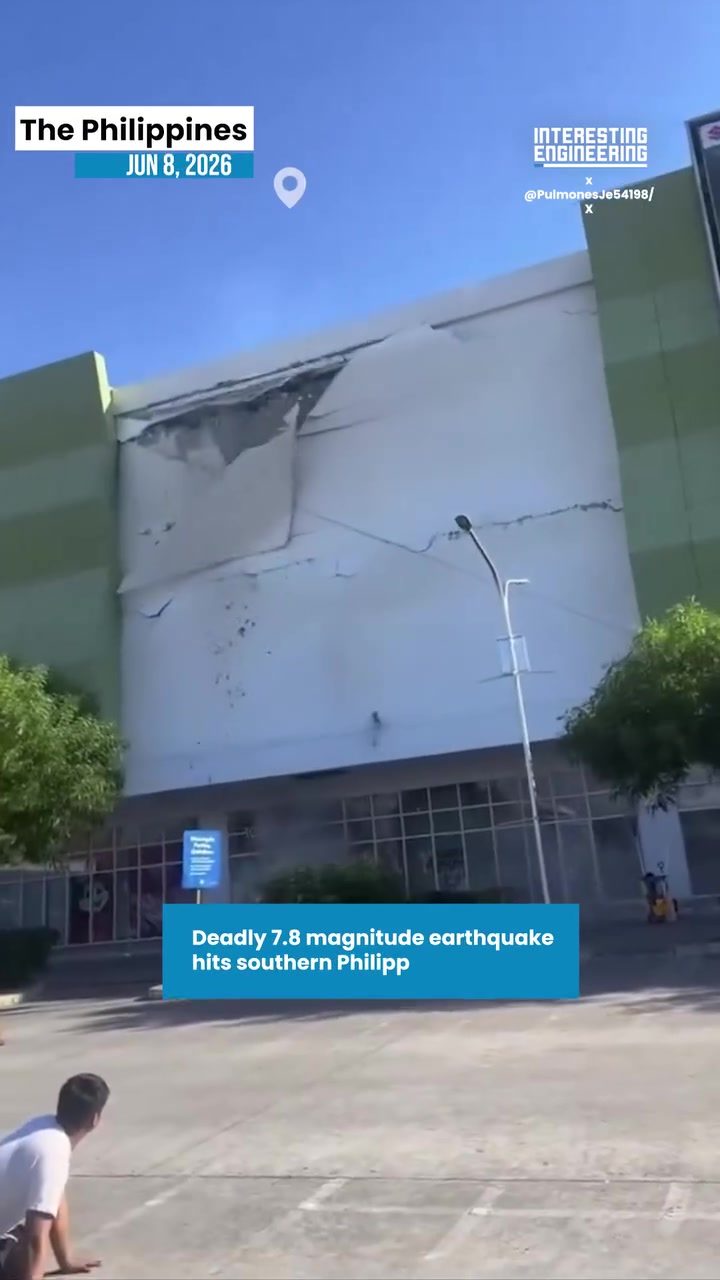
The 7.8 magnitude earthquake that struck Mindanao, Philippines, on June 8, 2026, was a devastating event that left a lasting impact on the region. The earthquake, which occurred Monday morning, resulted in widespread damage, triggering tsunamis, and killing several people, including schoolchildren.
Context: Why this Matters
The earthquake hit during the start of the new academic year, which meant schools were open and children were present in buildings during the quake. The Mindanao region, located in the southern Philippines, is densely populated, making the impact of the earthquake widespread and severe. Buildings collapsed, and debris littered the streets, while tsunami warnings were issued across the Philippines, Indonesia, and Japan.
The earthquake struck the Mindanao region in the southern Philippines, an area known for its seismic activity. The region is part of the Pacific Ring of Fire, a horseshoe-shaped area in the Pacific Ocean where a large number of earthquakes and volcanic eruptions occur. While the earthquake was centered in the Mindanao region, its impact was felt throughout the Philippines, Indonesia, and Japan due to the tsunami warnings issued in the aftermath. The Pacific Tsunami Warning Center issued the warnings, which included a series of alerts that spread fear and anxiety across the region.
Main Discussion
The Devastation in Mindanao
The earthquake was particularly devastating in General Santos City, where buildings collapsed and several people died. The city is a major hub for trade and commerce in the region, and it is home to a large number of schools, hospitals, and government buildings.
The earthquake also triggered a tsunami, which caused further damage and destruction. The tsunami warnings issued in the aftermath of the earthquake prompted evacuations and caused widespread panic. The tsunami warnings were issued for the Philippines, Indonesia, and Japan, which are all located in the Pacific Rim of Fire, an area known for its seismic and volcanic activity.
Impact on Infrastructure
The earthquake caused significant damage to infrastructure in the region. Buildings collapsed and roads were destroyed, making it difficult for emergency services to reach those in need. The earthquake also damaged hospitals and schools, which were already struggling to cope with the influx of injured people.
The earthquake also caused significant damage to roads and bridges, which made it difficult for emergency services to reach those in need. The earthquake also damaged hospitals and schools, which were already struggling to cope with the influx of injured people.
The Role of Tsunami Warnings
The tsunami warnings issued in the aftermath of the earthquake played a crucial role in minimizing the loss of life. The warnings prompted evacuations and caused widespread panic, but they also gave people the time to seek safety. The warnings were issued by the Pacific Tsunami Warning Center, which is responsible for monitoring seismic activity and issuing tsunami warnings in the Pacific region.
The tsunami warnings were issued for the Philippines, Indonesia, and Japan, which are all located in the Pacific Rim of Fire, an area known for its seismic and volcanic activity.
Practical Tips
While earthquakes and tsunamis are natural disasters that cannot be prevented, there are steps that can be taken to minimize their impact.
Preparing for an Earthquake
Residents in earthquake-prone areas should take steps to prepare for an earthquake. This includes securing heavy furniture to the walls, storing emergency supplies, and having an emergency plan in place. It is also important to know how to react during an earthquake, such as dropping to the ground, taking cover under a sturdy piece of furniture, and holding on until the shaking stops.
Responding to a Tsunami Warning
If a tsunami warning is issued, it is important to act quickly. Residents should evacuate to higher ground immediately and stay away from the coastline until the warning is lifted. It is also important to follow the instructions of local authorities and emergency services.
Additionally, having a well-stocked emergency kit is essential. This kit should include items such as:
- A first aid kit
- A flashlight and extra batteries
- A portable radio
- Non-perishable food and water
- A whistle or other signaling device
- A change of clothes and shoes
- A blanket or sleeping bag
- A map of the area and a compass
Important Takeaways
The 7.8 magnitude earthquake that struck Mindanao, Philippines, on June 8, 2026, was a devastating event that left a lasting impact on the region. The earthquake, which occurred Monday morning, resulted in widespread damage, triggering tsunamis, and killing several people, including schoolchildren. The event underscores the importance of preparedness and quick response in the face of natural disasters.
Conclusion
The earthquake in Mindanao serves as a reminder of the power of nature and the importance of being prepared. While earthquakes and tsunamis cannot be prevented, there are steps that can be taken to minimize their impact. By taking the time to prepare and having an emergency plan in place, residents in earthquake-prone areas can increase their chances of survival and minimize the impact of these natural disasters.
Watch the Reel
Questions readers ask
What made the 2026 Mindanao earthquake particularly devastating?
The 7.8 magnitude earthquake in Mindanao, Philippines, occurred during the start of the academic year when schools were filled with students. This timing, along with the region's high population density and the earthquake's intensity, led to widespread damage, tsunamis, and a significant loss of life, including many schoolchildren.
Why is the Mindanao region prone to earthquakes and tsunamis?
Mindanao is part of the Pacific Ring of Fire, a region known for its frequent seismic activity due to the movement of tectonic plates. This makes the area particularly susceptible to powerful earthquakes and subsequent tsunamis.
What were the immediate impacts of the June 8, 2026 earthquake in Mindanao?
The earthquake caused extensive damage, including the collapse of buildings and the issuance of tsunami warnings across the Philippines, Indonesia, and Japan. The disaster resulted in numerous fatalities, with schoolchildren being among the victims.
How did the timing of the earthquake affect its impact?
The earthquake struck in the morning when schools were in session, leading to a higher number of casualties among schoolchildren. This timing exacerbated the disaster's severity, as many people were indoors and unprepared for the sudden event.
What are some of the challenges faced during earthquake recovery efforts in the Philippines?
Recovery efforts in the Philippines often face challenges such as limited resources, infrastructure damage, and the need for immediate medical attention. In addition, the dense population in affected areas like Mindanao can complicate rescue and relief operations.
What measures can be taken to improve earthquake preparedness in the Philippines?
Improving earthquake engineering standards, implementing strict building codes, and conducting regular drills can enhance preparedness. Additionally, investing in early warning systems and public awareness campaigns can help minimize the loss of life and property during future earthquakes and tsunamis.
What steps can be taken to reduce the impact of earthquakes on schoolchildren in the Philippines?
Schools can implement earthquake safety protocols, such as reinforcing buildings and conducting regular earthquake drills. Additionally, authorities can consider adjusting school schedules to avoid peak earthquake times and ensure emergency plans are in place to protect students during such events.
Related deep dives
Similar reads based on topic and creator.

Recent articles
Fresh deep dives from the latest Reels we unpacked.




Comments
Be the first to comment.