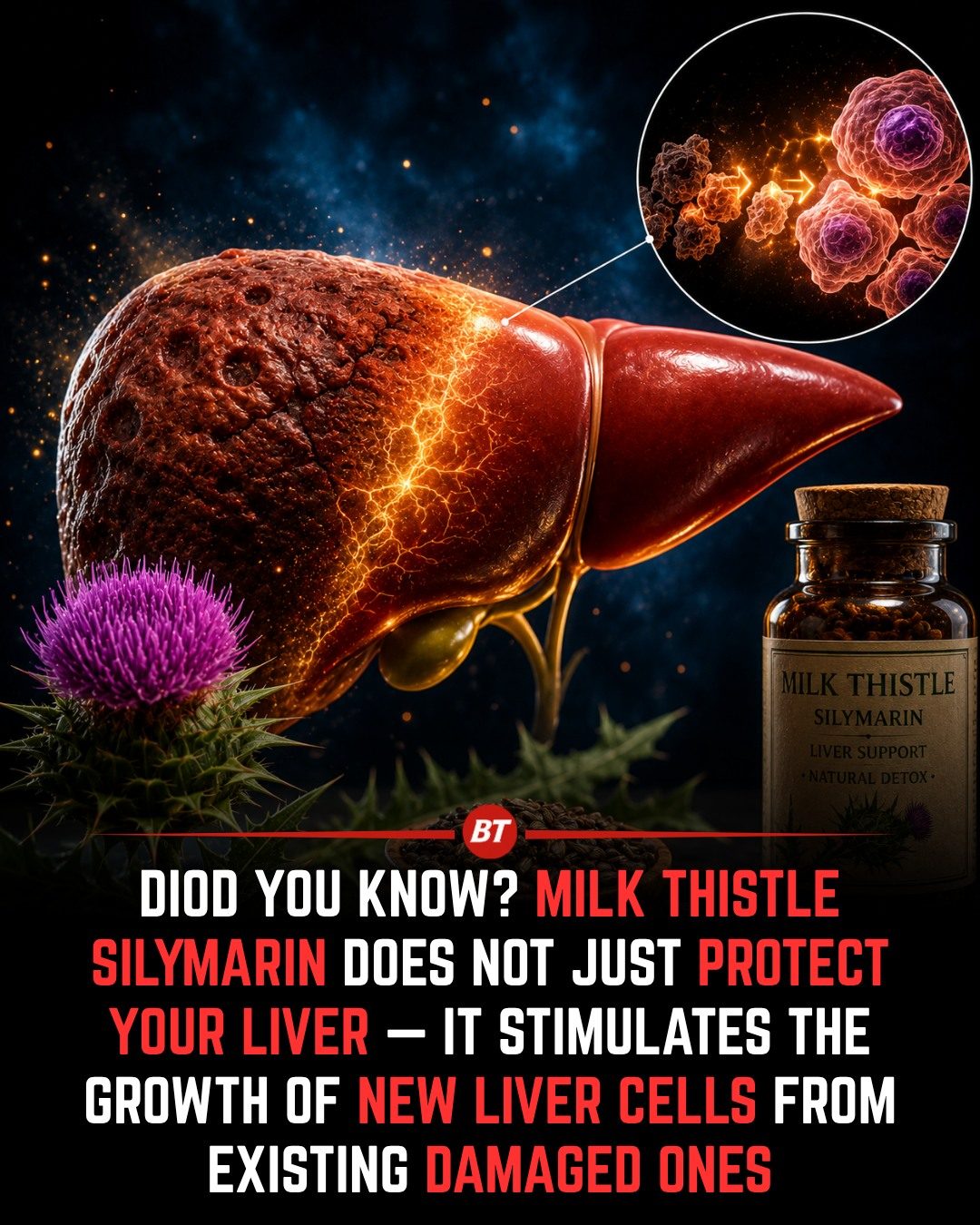
Liver Support with Milk Thistle
Milk thistle, a plant known for its health benefits, has been a staple in traditional herbal remedies for over 2,000 years. Its primary active compound, silymarin, is widely studied for its potential to protect and support liver health. The liver, a remarkable organ, is one of the few in the human body capable of regenerating after injury. When liver cells are damaged, surviving healthy cells can divide and replace those that have been lost. Silymarin may help support this natural regenerative process by reducing oxidative stress, limiting inflammation, and promoting protein synthesis within liver cells.
Why This Matters
The liver plays a crucial role in the body. It processes nutrients, filters harmful substances from the blood, and produces vital compounds for digestion. Given its extensive responsibilities, the liver is susceptible to damage from toxins, harmful free radicals, and other stressors. Supporting liver health through natural supplements like milk thistle can be a proactive step in maintaining overall wellness.
Milk Thistle and Silymarin: A Closer Look
Historical and Scientific Context
Milk thistle has a rich history as a traditional herbal remedy. Its use dates back thousands of years, with modern scientists now focusing on its active compound, silymarin. This compound is believed to help protect liver cells and support the liver’s ability to regenerate.
The Role of Silymarin
Silymarin is not just a protector; it also stimulates the growth of new liver cells from existing damaged ones. This is achieved through several mechanisms:
- Reducing Oxidative Stress: Silymarin helps to neutralize harmful free radicals, reducing the oxidative stress that can damage liver cells.
- Limiting Inflammation: By reducing inflammation, silymarin creates a more favorable environment for liver repair.
- Promoting Protein Synthesis: This process is essential for the regeneration of liver cells, and silymarin supports it.
Practical Tips for Using Milk Thistle
Choosing the Right Supplement
Milk thistle supplements are widely available, but not all are created equal. When selecting a supplement, look for a standardized extract containing silymarin. This ensures that you are getting a consistent and effective dose of the active compound.
Consulting with Healthcare Providers
If you have liver disease or are taking other medications, it is crucial to consult with a healthcare provider before starting any new supplement regimen. Some medications and health conditions may interact with milk thistle, so professional guidance is essential.
Lifestyle Factors
While milk thistle can support liver health, it is not a substitute for a healthy lifestyle. To maintain optimal liver function, consider the following:
- Limit Alcohol Consumption: Excessive alcohol can damage the liver and impair its ability to regenerate.
- Maintain a Healthy Weight: Obesity is linked to various liver diseases, including non-alcoholic fatty liver disease.
- Manage Blood Sugar: High blood sugar levels can also negatively impact liver health.
- Stay Physically Active: Regular exercise supports overall health and helps maintain a healthy liver.
- Eat a Balanced Diet: A diet rich in whole foods provides the nutrients necessary for liver function and regeneration.
Important Takeaways
Milk thistle and its active compound, silymarin, offer promising benefits for liver health. The ability of silymarin to support the liver's natural regenerative process makes it a valuable addition to a wellness routine. However, it is essential to use milk thistle supplements responsibly and in conjunction with a healthy lifestyle.
Conclusion
The liver is a vital organ with unique regenerative capabilities. Supporting its health through natural remedies like milk thistle can be a proactive step in maintaining overall wellness. By understanding the benefits of silymarin and incorporating milk thistle into a comprehensive health plan, you can support your liver's natural ability to heal and thrive.
Watch the Reel
Questions readers ask
What are the primary benefits of milk thistle for liver health?
Milk thistle, thanks to its active compound silymarin, offers several benefits for liver health. It helps to reduce oxidative stress, which can damage liver cells, and it may limit inflammation within the liver. Additionally, it may promote protein synthesis, which is crucial for liver cell repair and regeneration.
How does silymarin support liver regeneration?
Silymarin aids in liver regeneration by supporting the natural healing processes of the liver. It encourages protein synthesis in liver cells, which is essential for their growth and repair. By reducing oxidative stress and inflammation, silymarin creates a more favorable environment for liver cells to regenerate and restore liver function.
Can milk thistle help with liver detoxification?
Yes, milk thistle can support liver detoxification. It helps to filter out harmful substances from the blood, and it may enhance the liver's ability to process and eliminate toxins, thereby promoting overall liver health.
What is the recommended dosage of milk thistle for liver support?
The recommended dosage of milk thistle can vary, but typical doses range from 140 to 800 mg of silymarin per day, divided into 2 or 3 doses. It's best to consult with a healthcare provider before starting any new supplement regimen, as individual needs and optimal dosages can vary.
Is milk thistle safe for long-term use?
Milk thistle is generally considered safe for long-term use, with few reported side effects. However, it is important to consult with a healthcare provider before beginning any long-term supplement regimen. Some people may experience allergic reactions, and milk thistle may interact with certain medications, so professional guidance is recommended.
How quickly can I expect to see results from taking milk thistle?
The timeline for seeing results from milk thistle can vary depending on individual health factors and the specific liver concerns. Some people may notice improvements in liver function within a few weeks, while others may take several months to see significant benefits. Consistency in taking the supplement as directed is key for optimal results.
Can milk thistle be taken alongside other medications or supplements?
Milk thistle may interact with certain medications, particularly those that are metabolized by the liver. It is essential to consult with a healthcare provider before combining milk thistle with other medications or supplements, especially if you are taking medications for liver conditions or other health issues.
Recent articles
Fresh deep dives from the latest Reels we unpacked.




Comments
Be the first to comment.