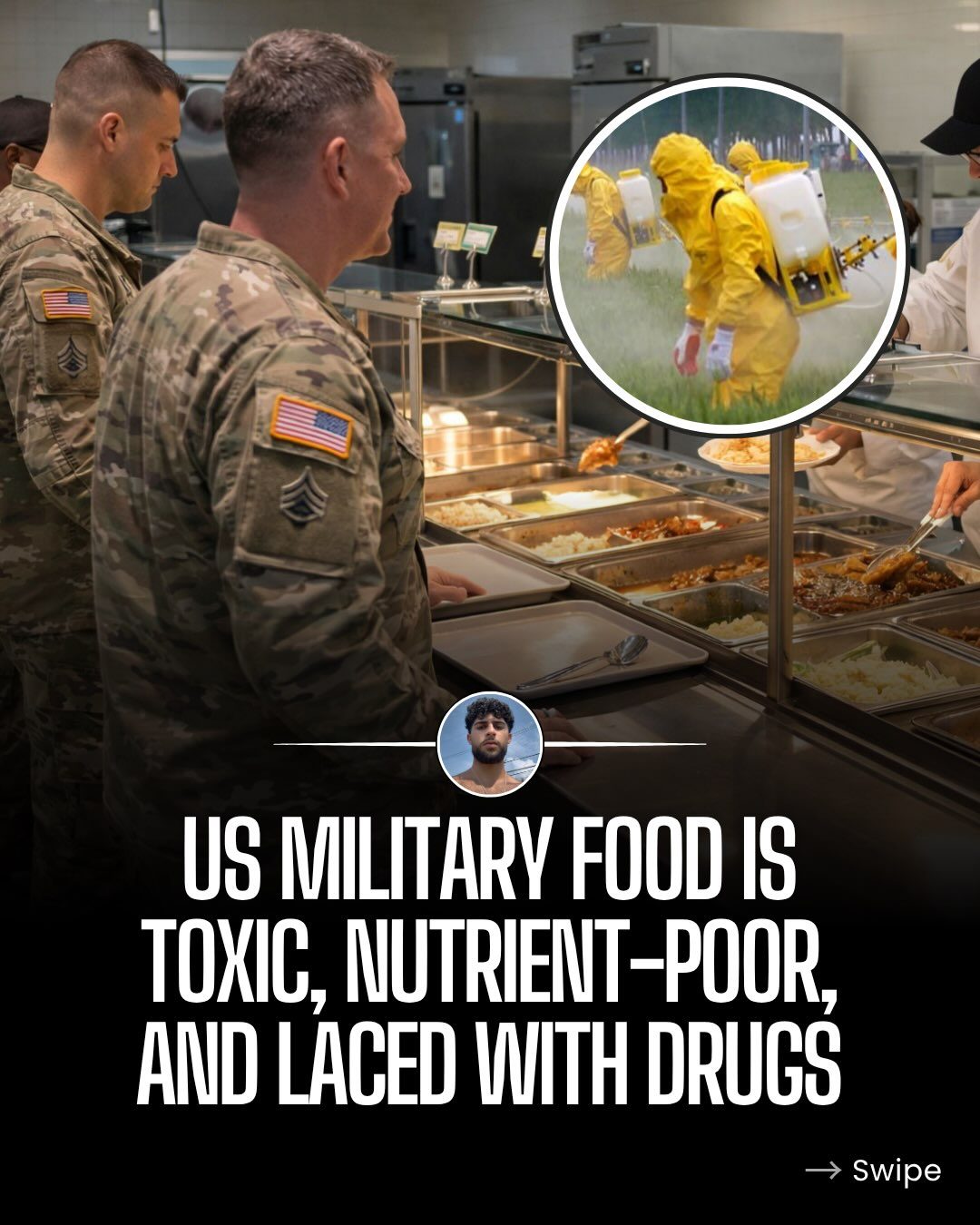
Military Food Concerns
The quality and safety of military food have recently come under scrutiny, with alarming findings about the presence of pesticides, heavy metals, and veterinary drugs in tested meals. This issue is significant for those in the military, as their food supply should be reliable and safe.
Why This Matters
The U.S. military depends on a steady supply of nutritious and safe food to maintain the health and performance of its personnel. However, recent lab testing has raised serious concerns about the quality of military rations. Understanding these issues is crucial for ensuring the well-being of military members and addressing any potential health risks they may face.
Main Discussion
Pesticides in Military Meals
One of the most concerning findings is the presence of pesticides in military meals. According to testing commissioned by Moms Across America, 100% of the tested meals contained pesticides. Of these, 95% contained glyphosate, a widely used herbicide that has been linked to various health issues.
Glyphosate is one of the most commonly used pesticides in the world. It is used to control weeds and has been approved for use in agriculture and landscaping. However, its presence in military meals raises significant concerns. Glyphosate has been classified as a potential carcinogen by the International Agency for Research on Cancer (IARC), and long-term exposure to this chemical can lead to various health problems, including cancer, reproductive issues, and developmental problems in children.
The presence of pesticides in military meals is particularly troubling because military personnel are often exposed to other environmental toxins and hazardous conditions. These additional exposures can compound the health risks associated with pesticide contamination.
Heavy Metals in Military Meals
The testing also revealed the presence of heavy metals in every sample. Aluminum levels in some samples were up to 174 times the EPA's drinking water guidelines, which are set to protect public health. Other heavy metals, such as lead, arsenic, and cadmium, can be highly toxic and have been linked to serious health issues, including neurological disorders, kidney damage, and developmental problems.
Heavy metals can accumulate in the body over time, leading to chronic health issues. For military personnel, who may already be exposed to hazardous materials and stressful conditions, the presence of heavy metals in their food supply can exacerbate these health risks.
Veterinary Drugs in Military Meals
In addition to pesticides and heavy metals, the testing also found four veterinary drugs in a teriyaki beef stick. These drugs, trenbolone acetate and ractopamine, are banned in 130 countries due to their potential health risks.
Trenbolone acetate is a powerful anabolic steroid that is used to promote muscle growth in livestock. It has been linked to various health issues, including cancer, liver damage, and reproductive problems. Ractopamine, on the other hand, is a beta-agonist that is used to increase lean muscle mass in livestock. It has been associated with increased heart rate, high blood pressure, and other cardiovascular issues.
The presence of these veterinary drugs in military meals is particularly alarming because they are not intended for human consumption and can have serious health consequences. Military personnel who consume these contaminated meals may experience a range of adverse health effects, including increased risk of cancer, liver damage, and cardiovascular issues.
Nutritional Concerns
Beyond the presence of harmful substances, the nutritional quality of military meals has also been called into question. The meals are often described as nutrient-poor, lacking the essential vitamins, minerals, and other nutrients that are crucial for maintaining good health and performance.
Proper nutrition is essential for military personnel to perform their duties effectively. A balanced diet helps to maintain energy levels, support cognitive function, and promote overall health. Without adequate nutrition, military personnel may experience fatigue, reduced mental acuity, and increased susceptibility to illness and injury.
The combination of harmful substances and poor nutritional quality raises significant concerns about the overall health and well-being of military personnel. It is crucial to address these issues to ensure that military members have access to safe and nutritious food.
Practical Tips
Demand Transparency
One of the most important steps in addressing these concerns is to demand transparency from the organizations responsible for supplying military food. This includes requesting detailed information about the sourcing of ingredients, the testing procedures used, and any measures taken to eliminate harmful substances.
Advocate for Reform
Military personnel and their families can advocate for reform by reaching out to lawmakers and other decision-makers. Expressing concerns and demanding action can help to bring about changes that will improve the quality and safety of military food.
Support Independent Testing
Supporting independent testing initiatives, such as those commissioned by Moms Across America, can help to ensure that the food supply is safe and reliable. These initiatives provide valuable information about the presence of harmful substances and can serve as a catalyst for change.
Promote a Balanced Diet
Ensuring a balanced diet is essential for maintaining good health and performance. Military personnel should focus on consuming a variety of nutrient-dense foods, including fruits, vegetables, whole grains, lean proteins, and healthy fats. Supplements can also be helpful in meeting nutritional needs, but they should not be relied upon as a substitute for a balanced diet.
Important Takeaways
The findings regarding the quality and safety of military food are alarming and highlight the need for immediate action. The presence of pesticides, heavy metals, and veterinary drugs in military meals poses significant health risks for military personnel and underscores the importance of addressing these issues.
Addressing these concerns requires a multi-faceted approach, including advocating for transparency, supporting independent testing, and promoting a balanced diet. By taking these steps, it is possible to ensure that military personnel have access to safe and nutritious food, which is essential for maintaining their health and performance.
Conclusion
The quality and safety of military food are critical for the health and well-being of military personnel. Recent findings about the presence of harmful substances in military meals underscore the need for immediate action. By advocating for transparency, supporting independent testing, and promoting a balanced diet, it is possible to address these concerns and ensure that military personnel have access to safe and nutritious food.
Watch the Reel
Questions readers ask
What types of contaminants have been found in military meals?
Recent lab tests have detected pesticides, heavy metals, and veterinary drugs in military meals. These contaminants include substances like glyphosate and aluminum, which have raised concerns about their potential health impacts on service members.
How do these contaminants affect the health of military personnel?
The long-term consumption of these contaminants can pose serious health risks. Heavy metals, for example, can lead to neurological disorders, while pesticides and veterinary drugs may cause a range of health problems, including organ damage and immune system issues.
What specific heavy metals are present in military rations?
Aluminum is one of the heavy metals detected in military rations. While aluminum is naturally present in low levels in many foods, high concentrations in military meals could be a cause for concern, particularly for long-term exposure.
Why is the presence of veterinary drugs in military food concerning?
Veterinary drugs are used to treat illnesses and promote growth in animals. Residues of these drugs can remain in animal products and may have unintended effects on humans who consume them. In military food, this could compromise the health and performance of service members, causing unexpected side effects and potential allergies.
What are the sources of these contaminants in military food supplies?
Contaminants in military food supplies can originate from various sources, including agricultural practices, environmental factors, and processing methods. Pesticides and veterinary drugs can enter the food chain through farming, while heavy metals can come from environmental pollution or processing equipment.
Have there been any recent changes to military food safety regulations?
In light of these findings, there have been renewed calls for stricter regulations and more frequent testing. The military is responsible for ensuring the safety of its food supply, and updates to regulations and safety protocols are currently in progress.
What steps are being taken to address these contaminants in military meals?
The military is working on several fronts to tackle this issue, including more rigorous testing protocols, improved sourcing practices, and enhanced processing techniques. Some initiatives are already underway to mitigate the presence of these contaminants and ensure the safety of military rations.
Recent articles
Fresh deep dives from the latest Reels we unpacked.




Comments
Be the first to comment.