The Role of Respect in Political Discourse
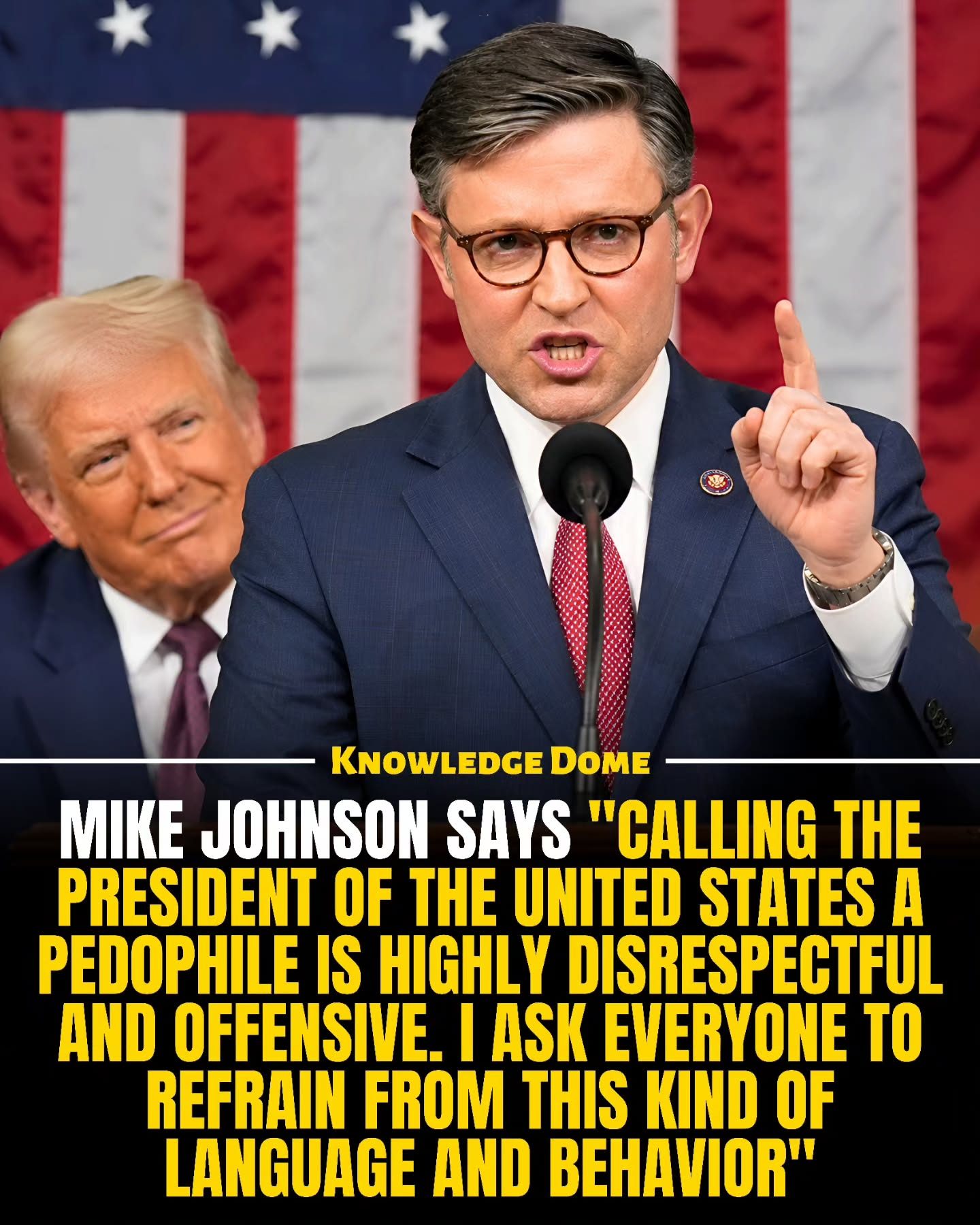
Political conversations surrounding the Jeffrey Epstein files and other controversies have become increasingly heated, with harsh language and personal attacks dominating the discourse. House Speaker Mike Johnson recently addressed this situation, emphasizing the importance of respectful communication in political debates.
Why This Matters
The escalation of heated rhetoric and personal attacks in political conversations can have significant consequences. These discussions often move beyond constructive disagreement and into the realm of personal insults and divisive language. This shift can undermine the ability to engage in meaningful dialogue, foster understanding, and work towards common goals.
Main Discussion
The Speakers' Position on Political Discourse
In his public statement, Mike Johnson made a strong call for Americans to lower the heat in political conversations. He acknowledged the right to disagree, criticize leaders, and protest government decisions, but urged people to do so in a respectful manner. Johnson's words come at a time when the political climate has become increasingly polarized, with heated debates and inflammatory rhetoric dominating public discourse.
The Danger of Offensive Language
Johnson drew a clear line between strong political disagreement and insulting personal attacks. He specifically addressed the use of offensive language, highlighting that calling the President of the United States a pedophile is highly disrespectful and offensive. Johnson urged everyone to refrain from such language and behavior, stressing that it only serves to divide the country further.
The Impact of Personal Attacks
Personal attacks and inflammatory rhetoric can have a profound impact on political discourse. They can derail productive conversations, create a toxic environment, and erode trust among individuals and groups with differing viewpoints. Johnson's call for restraint aims to mitigate these negative effects and promote a more civil and respectful approach to political discussions.
Moving Towards Constructive Dialogue
By urging people to use smarter, more respectful ways to show anger or opposition, Johnson aims to foster an environment where constructive dialogue can thrive. This approach encourages individuals to express their views and grievances in a way that respects the dignity and integrity of others, regardless of their political affiliation.
Practical Tips
How to Engage in Respectful Political Discourse
Engaging in respectful political discourse involves several key practices:
1. Listen Actively
Active listening means paying full attention to the speaker, showing you're listening, and providing feedback. This helps to understand their perspective and respond thoughtfully.
2. Avoid Personal Attacks
Focus on the issues and ideas rather than attacking the person. Personal attacks are not only disrespectful but also impede productive conversations.
3. Use Respectful Language
Words have power, and using respectful language can significantly influence the tone of the conversation. Avoid inflammatory or derogatory language, and instead, opt for a more measured and considerate approach.
4. Seek Common Ground
Even in heated debates, there are often areas where people can find common ground. Focusing on these shared points can help to build bridges and foster mutual understanding.
5. Be Open to Different Viewpoints
Respectful discourse requires openness to different viewpoints and a willingness to engage with ideas that may challenge your own. This does not mean agreeing with everything, but rather, being open to a thoughtful exchange of ideas.
Important Takeaways
- Personal attacks and inflammatory rhetoric can derail productive conversations and create a toxic environment.
- Constructive dialogue requires active listening, respectful language, and a focus on shared goals.
- Engaging in respectful political discourse can help to bridge divides and promote understanding.
Conclusion
The current climate of heated political discourse is fraught with personal attacks and offensive language. House Speaker Mike Johnson's call for restraint and respectful communication is a timely reminder of the importance of maintaining civility in political conversations. By adopting a more respectful approach, individuals can contribute to a more constructive and productive political discourse, fostering a society that values open dialogue and mutual respect.
Watch the Reel
Questions readers ask
What prompted Mike Johnson to call for respect in political debates?
Mike Johnson's call for respect in political debates was prompted by the increasing polarization and heated rhetoric in public discourse, particularly in conversations surrounding controversial topics like the Jeffrey Epstein files. He observed that personal attacks and inflammatory language were dominating these debates, making constructive dialogue difficult.
How does Mike Johnson suggest we improve political discourse?
Mike Johnson suggests that improving political discourse begins with a commitment to civility and respect. He advocates for moving away from personal attacks and inflammatory rhetoric and instead focusing on respectful communication that promotes understanding and meaningful dialogue.
What are the consequences of personal attacks in political conversations?
Personal attacks in political conversations can derail constructive disagreement, fostering an environment of divisive language and insults. This can undermine the ability to engage in meaningful dialogue, making it more challenging to foster understanding and work towards common goals.
What specific actions can individuals take to promote respectful political language?
Individuals can promote respectful political language by actively listening to opposing viewpoints, avoiding personal attacks, and focusing on the issues rather than the people involved. It is also helpful to use inclusive and considerate language that encourages a harmonious exchange of ideas.
How does the lack of civility in public discourse affect society?
The lack of civility in public discourse can lead to increased polarization, making it difficult for society to address important issues collaboratively. It can also erode trust in political institutions and diminish the public's willingness to engage in meaningful dialogue, ultimately hindering progress on shared goals.
What role can public figures play in promoting respectful political debate?
Public figures, like House Speaker Mike Johnson, can play a significant role in promoting respectful political debate by setting an example with their own language and behavior. By advocating for civility and respect, they can influence public discourse and encourage others to adopt a more constructive approach to political conversations.
Recent articles
Fresh deep dives from the latest Reels we unpacked.




Comments
Be the first to comment.