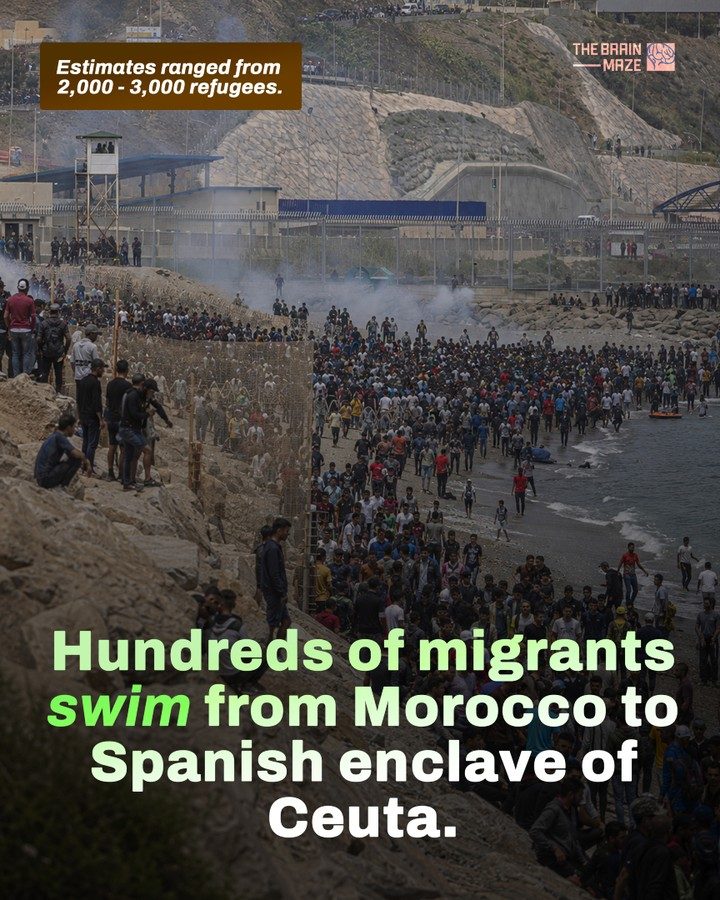
Migrant Crisis in Ceuta
Hundreds of migrants have crossed from Morocco into Spain's North African enclave of Ceuta. The influx has created a chaotic and urgent situation, as migrants swim through the sea using inflatable rings and others pass through a border gate. Local officials are grappling with an overwhelmed reception system, particularly for unaccompanied minors, and have declared a humanitarian and security emergency.
Why This Matters
The situation in Ceuta highlights the complex challenges of migration and border control. Ceuta, along with Melilla, is a key entry point for migrants seeking to enter the European Union. The sudden influx of migrants strains local resources, exacerbates security concerns, and puts a spotlight on the urgent needs of migrants, particularly the most vulnerable.
The Crossing
The migration route from Morocco to Ceuta is treacherous and dangerous. Many migrants attempt to cross the sea, often using makeshift vessels or inflatable rings. This method is risky, and the exact number of casualties is often unknown. Others try to enter through official border gates, sometimes in large groups, overwhelming the capacity of Spanish authorities to manage the flow effectively.
The Methods of Crossing
The migrants employ various methods to reach Ceuta. Swimming is one of the most perilous, and many take to the water with inflatable rings or other makeshift flotation devices. These items provide minimal protection from the strong currents and unpredictable sea conditions. Others attempt to pass through border gates, often in large groups, which can lead to chaotic scenes and heightened security responses.
The Numbers
Estimates of the number of migrants involved vary widely. Some sources suggest hundreds, while others report figures as high as 2,000–3,000 people in a single day. These figures highlight the scale of the migration crisis and the strain it places on local infrastructure. However, the higher figures have not been officially confirmed, raising questions about accuracy and the reliability of different sources.
Reactions and Responses
Local officials in Ceuta and Spanish authorities are grappling with the sudden influx. They have described the situation as a humanitarian and security emergency, emphasizing the need for immediate and coordinated action.
Humanitarian Concerns
The influx of migrants has overwhelmed reception centres, particularly those designated for unaccompanied minors. These facilities are already stretched to capacity, and the additional strain has raised concerns about the welfare of vulnerable migrants. The situation underscores the urgent need for more resources and support for migrants in transit.
Security Challenges
The large influx of migrants also poses significant security challenges. Spanish authorities are tasked with managing the flow of people while maintaining border security. This delicate balance requires a nuanced approach that addresses the immediate needs of migrants while ensuring the safety and security of the local population.
The Human Face of the Crisis
Behind the numbers and the chaotic scenes are individual stories of desperation, hope, and resilience. Migrants crossing into Ceuta come from various backgrounds, often fleeing conflict, poverty, or persecution. Their journey is fraught with danger, and the risks they take reflect the urgency of their circumstances.
Stories of Resilience
Many migrants embark on this perilous journey with the hope of a better future. They face numerous obstacles, from the physical dangers of crossing the sea to the psychological toll of leaving behind everything they know. Despite these challenges, many migrants demonstrate remarkable resilience, driven by the hope of a better life.
Vulnerable Groups
Among the migrants are particularly vulnerable groups, such as unaccompanied minors. These young people often face additional risks, including exploitation and abuse. The strain on reception centres highlights the urgent need for specialized support and protection for these vulnerable individuals.
Practical Tips for Migration Policy
Addressing the migration crisis in Ceuta requires a multi-faceted approach that considers both immediate needs and long-term solutions.
Strengthening Border Control
Effective border control is crucial for managing the inflow of migrants and maintaining security. However, it must be balanced with a humane approach that respects the rights and dignity of migrants. Spanish authorities are expected to strengthen their response in this area, focusing on both enforcement and humanitarian considerations.
Enhancing Reception and Support
Improving reception and support for migrants is essential for addressing the immediate needs of those arriving in Ceuta. This includes providing adequate resources, facilities, and support services, particularly for vulnerable groups such as unaccompanied minors.
Long-Term Solutions
Long-term solutions to the migration crisis require addressing the root causes of migration. This includes efforts to improve conditions in countries of origin, providing economic opportunities, and promoting stability and security. Addressing these underlying factors is crucial for reducing the pressure on migration routes like the one from Morocco to Ceuta.
Important Takeaways
The migrant crisis in Ceuta underscores the urgent need for a coordinated and humane response to migration. Key takeaways include:
- The influx of migrants has overwhelmed local resources and strained security.
- Vulnerable groups, such as unaccompanied minors, require specialized support and protection.
- Effective border control and enhanced reception services are crucial for addressing immediate needs.
- Long-term solutions must focus on addressing the root causes of migration.
Conclusion
The situation in Ceuta highlights the complex and urgent challenges of migration. The influx of migrants has created a humanitarian and security emergency, straining local resources and highlighting the need for immediate and coordinated action. Addressing this crisis requires a multi-faceted approach that considers both immediate needs and long-term solutions, focusing on the welfare of migrants and the security of local populations.
Watch the Reel
Questions readers ask
What is the current situation with migrants in Ceuta?
Ceuta, a Spanish enclave in North Africa, is currently facing a significant influx of migrants from Morocco. Hundreds of individuals have entered the region, overwhelming local resources and creating a chaotic situation. The migrants have used various methods to cross the border, including swimming through the sea and passing through a border gate.
What are the main concerns raised by the migrant influx in Ceuta?
The sudden influx of migrants in Ceuta has raised several concerns, including the strain on local resources, particularly for unaccompanied minors, and escalated security issues. Officials have declared a humanitarian and security emergency, highlighting the urgent need for effective border control and migrant treatment policies.
How are unaccompanied minors being affected by the migrant crisis in Ceuta?
The influx of migrants in Ceuta has particularly overwhelmed the reception system for unaccompanied minors. The sudden increase in the number of these vulnerable individuals has put a spotlight on the urgent needs of migrants, raising concerns about their treatment and the adequacy of local resources.
What methods are migrants using to enter Ceuta from Morocco?
Migrants attempting to enter Ceuta from Morocco have been using various methods, including swimming through the sea with the aid of inflatable rings. Others have managed to pass through a border gate, adding to the chaos and security concerns in the region.
Why is the situation in Ceuta significant for migration to the European Union?
Ceuta, along with Melilla, serves as a key entry point for migrants seeking to enter the European Union. The current crisis in Ceuta highlights the broader challenges of migration and border control, as well as the urgent needs of migrants attempting to reach Europe through North Africa.
What steps have local officials taken in response to the migrant crisis in Ceuta?
Local officials in Ceuta have declared a humanitarian and security emergency in response to the migrant influx. This declaration underscores the urgent need for effective policies to manage the crisis, address the strain on local resources, and ensure the well-being of migrants, particularly unaccompanied minors.
What are the estimated numbers of migrants involved in the Ceuta crisis?
While exact figures can vary, it is reported that hundreds of migrants have entered Ceuta from Morocco, creating a chaotic and urgent situation. The sudden influx has strained local resources and highlighted the need for a coordinated response to manage the crisis effectively.
Recent articles
Fresh deep dives from the latest Reels we unpacked.




Comments
Be the first to comment.