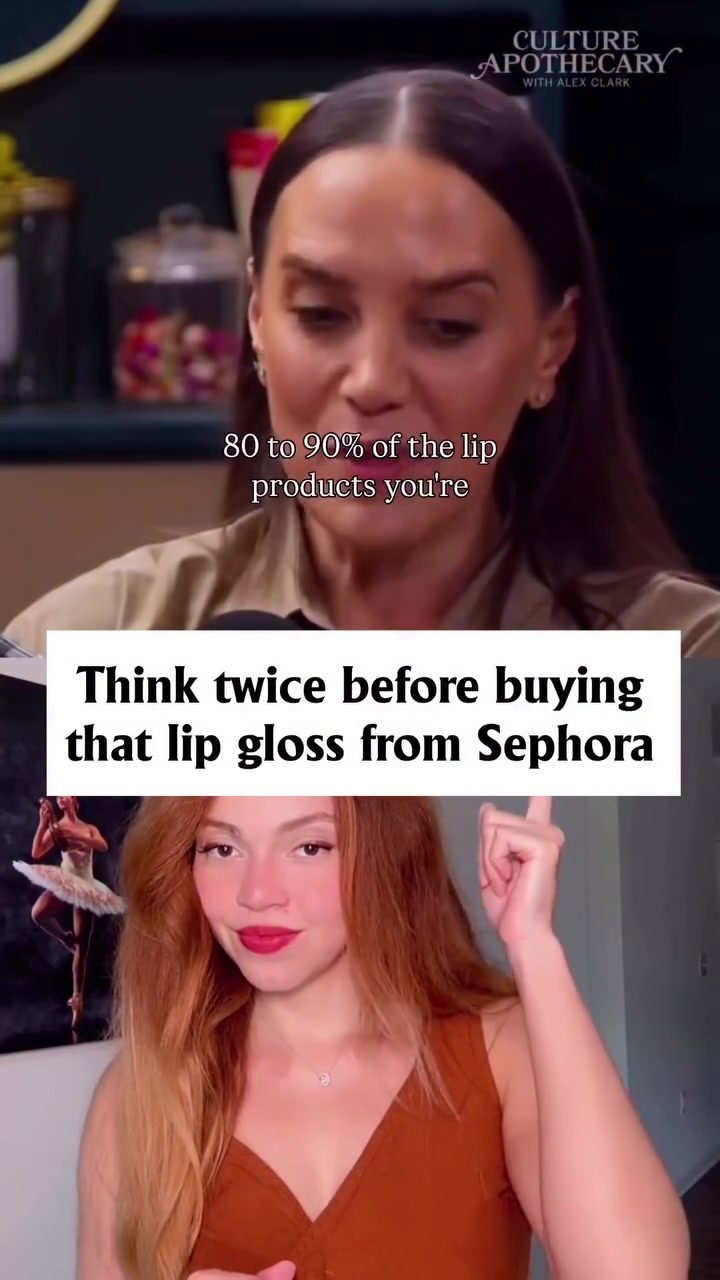
The Hidden Ingredients in Lip Gloss
Lip gloss is a staple in many beauty routines, providing a smooth, long-lasting finish that enhances the appearance of lips. However, the ingredients in these popular products often go unnoticed. As a cosmetic formulator, the first thing to examine is the ingredient list, not the marketing on the front of the package. Many popular lip glosses contain synthetic film-formers, plastic-like ingredients, and petroleum-derived compounds. These ingredients are designed to create shine, slip, and extended wear time. However, the question isn't whether they’re effective; it's what you’re putting on your lips every single day.
Why This Matters
The cosmetic industry is vast and highly profitable. Many brands, regardless of whether they are drugstore or high-end, include microplastics in their lip products. These microplastics, often listed as polymers or copolymers, act as plasticizers that help create a smooth, long-lasting finish. However, these ingredients can have significant implications for health, particularly when consumed.
Lip products are classified as cosmetics, which means they are topical. However, many lip products are flavored, making them more likely to be ingested. Some users may reapply lip gloss up to 40 times a day, leading to significant consumption. For frequent users, this can amount to 16 to 20 tubes per year—essentially eating that much lip gloss annually. This is concerning because the lips are a place of absorption, making the ingredients in lip gloss more than just topical.
The Ingredients to Watch Out For
Microplastics
Microplastics are widely used in lip products to enhance texture and longevity. Common terms to look out for on the ingredient list include:
- Polymers
- Copolymers
- Synthetic waxes
These ingredients are essentially plastics, and their presence in lip products is becoming more prevalent.
Titanium Dioxide
Titanium dioxide is another common ingredient in colored lip products, even in those labeled as "organic." When ingested, titanium dioxide can chemically alter DNA. It's widely used in the cosmetic industry to create a white tone that makes the color pop. This ingredient is found in virtually all colored lip products, posing a potential health risk for frequent users.
The Impact of Ingredients
Many lip products today come with a list of ingredients that are not as healthy as they should be. Ingredient lists often feature terms that are difficult to understand. However, with some research, you can learn to identify harmful ingredients and make more informed choices.
Practical Tips
Ingredient Awareness
- Read the Label: Always check the ingredient list before purchasing a lip gloss. Avoid products that contain microplastics and titanium dioxide.
- Look for Natural Alternatives: Opt for lip glosses that use natural ingredients. Brands like Stone and Spear offer 110% natural lipsticks, available in various shades.
- Consider Application Frequency: Think about how often you apply lip gloss and consider cutting down on the frequency if you use products with questionable ingredients.
Seek Transparency
- Avoid Marketing Hype: Don’t be swayed by marketing claims. Focus on the ingredient list to understand what you’re applying to your lips.
- Choose Trusted Brands: Opt for brands that prioritize health over profit. Brands like Culture Apothecary are known for their commitment to natural and safe ingredients.
Important Takeaways
Lip gloss can enhance your appearance, but it’s crucial to be aware of the ingredients you’re applying to your lips. Many popular lip glosses contain synthetic film-formers, plastic-like ingredients, and petroleum-derived compounds. These can have significant health implications, especially when ingested. Ingredients like microplastics and titanium dioxide are common in lip products, and their potential health risks should not be overlooked.
Recommendations
While it’s not necessary to give up on lipstick, it's vital to make informed choices. Familiarize yourself with the ingredients and choose wisely. Opt for brands that prioritize health and transparency, such as Stone and Spear. Their natural lipsticks come in beautiful shades and are a healthier alternative to conventional lip glosses.
Conclusion
Understanding the ingredients in your lip gloss can help you make better choices for your health. While the cosmetic industry focuses on profit, it’s essential to prioritize your well-being. By being mindful of what you’re putting on your lips, you can enjoy the benefits of lip gloss while minimizing potential health risks. Always read the ingredient list, choose natural alternatives, and opt for trusted brands that prioritize health.
Watch the Reel
Questions readers ask
What are microplastics in lip gloss and why are they used?
Microplastics in lip gloss are tiny plastic particles used to create a smooth, glossy finish and improve product longevity. They are often found in lip glosses that claim to provide long-lasting shine and slip.
What are the health implications of ingesting microplastics from lip gloss?
Ingesting microplastics from lip gloss can pose potential health risks, particularly with frequent use. These particles can enter the body through the mouth and may cause irritation or other issues over time, as their long-term effects on human health are not yet fully understood.
How can I identify synthetic compounds in my lip gloss?
To identify synthetic compounds in your lip gloss, check the ingredient list for terms like polyethylene, polybutene, or other plastic-like names. These are indicators of synthetic film-formers and plastic-like substances used for the desired smooth finish.
What are the most common synthetic ingredients found in lip gloss?
The most common synthetic ingredients in lip gloss include polyethylene, polybutene, and other petroleum-derived compounds. These are used to create the product’s shine, slip, and extended wear time.
Are synthetic compounds in lip gloss regulated by the cosmetic industry?
The regulation of synthetic compounds in lip gloss varies by region and country. Some regions have stricter guidelines than others, so it’s important to check local regulations and product labels.
Can frequent use of lip gloss containing microplastics lead to daily exposure to harmful materials?
Yes, frequent use of lip gloss containing microplastics can lead to daily exposure to potentially harmful materials. These substances can accumulate in the body over time, raising concerns about long-term health effects.
Related deep dives
Similar reads based on topic and creator.


Recent articles
Fresh deep dives from the latest Reels we unpacked.




Comments
Be the first to comment.