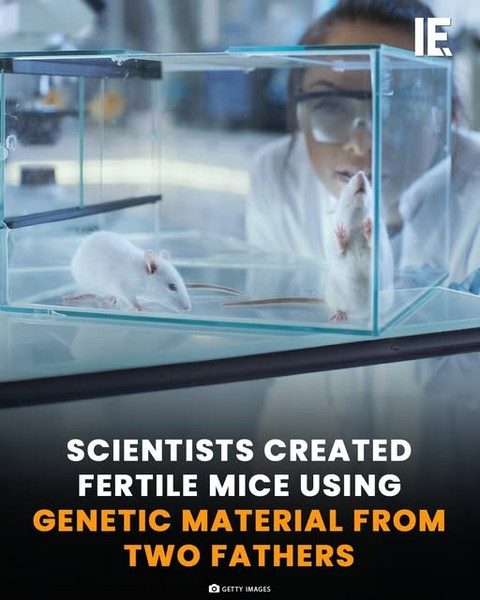
Genetic Engineering Breakthrough: Creating Mice from Two Male Parents
Genetic engineering has reached a new milestone with the successful creation of fertile mice using genetic material from two male parents. Researchers in Japan employed CRISPR-based gene editing to achieve this remarkable feat, reprogramming one male's sperm genome to mimic an egg cell. This groundbreaking discovery opens new avenues in reproductive biology and synthetic biology, though human applications are still a distant prospect due to technical and ethical challenges.
Context / Why this Matters
The ability to create offspring from two male parents challenges traditional biological norms and pushes the boundaries of what is possible in genetic engineering. This breakthrough has significant implications for understanding and manipulating the fundamental processes of reproduction. Beyond the scientific curiosity, this research could potentially impact fields like conservation, agriculture, and even human fertility treatments, though the latter remains highly speculative at this stage.
Main Discussion
The Science Behind the Breakthrough
The researchers used CRISPR-based gene editing, a powerful tool that allows for precise modification of genetic material. The process involved reprogramming one male's sperm genome to mimic an egg cell. This was achieved by modifying imprinting regions and methylation patterns, which are critical for normal embryonic development. Out of 250 embryos created, three male pups were born and survived to adulthood, demonstrating the success of the technique.
The Role of CRISPR
CRISPR, or Clustered Regularly Interspaced Short Palindromic Repeats, is a technology that enables scientists to edit genes with unprecedented precision. It acts like a pair of molecular scissors, cutting and modifying specific sections of DNA. In this case, CRISPR was used to alter the sperm genome, making it functionally equivalent to an egg cell. This is a significant advancement because it demonstrates the potential to bypass the need for female genetic material in reproduction.
Implications for Reproductive Biology
The creation of fertile mice from two male parents has far-reaching implications for reproductive biology. It challenges the traditional understanding of sex determination and fertilization. In mammals, the Y chromosome from the male determines the male sex, but this discovery shows that it is possible to create viable offspring without a female contribution. This could lead to new insights into the mechanisms of sex determination and fertilization.
Practical Tips
Understanding Genetic Editing
For those interested in genetic engineering, understanding the basics of CRISPR is essential. CRISPR-Cas9 is the most commonly used system, where Cas9 is the enzyme that cuts the DNA, and a guide RNA directs it to the specific location. Learning about CRISPR can open up a world of possibilities in genetic research and biotechnology.
Ethical Considerations
While the scientific achievements are impressive, it is crucial to consider the ethical implications. The creation of offspring from two male parents raises questions about the potential misuse of such technology. Ethical guidelines and regulations must be in place to prevent unauthorized use and ensure that the technology is used responsibly.
Important Takeaways
The successful creation of fertile mice from two male parents is a significant achievement in genetic engineering. Here are the key takeaways:
- CRISPR-based gene editing was used to reprogram a male's sperm genome to mimic an egg cell.
- This breakthrough challenges traditional reproductive norms and opens new avenues in synthetic biology.
- The success rate was low, with only three out of 250 embryos surviving to adulthood.
- Ethical considerations and technical challenges must be addressed before any potential human applications.
Conclusion
The creation of fertile mice from two male parents is a remarkable achievement in the field of genetic engineering. This breakthrough not only expands our understanding of reproductive biology but also highlights the potential of CRISPR-based gene editing. While the applications for humans are still far off, the implications for animal conservation, agriculture, and other fields are profound. As we continue to explore the possibilities of genetic engineering, it is essential to approach these advancements with caution, considering both the scientific potential and the ethical responsibilities.
Watch the Reel
Questions readers ask
How did scientists manage to create mice from two male parents?
Researchers in Japan utilized CRISPR-based gene editing to modify the genetic material of one male's sperm, reprogramming it to function similarly to an egg cell. This allowed the sperm cells from two male mice to combine and develop into viable offspring.
What is the significance of this breakthrough in genetic engineering?
This achievement demonstrates the potential of CRISPR technology in manipulating genetic material for reproductive purposes. It opens new avenues for research in synthetic biology and challenges traditional biological norms.
Are there immediate applications for humans from this CRISPR breakthrough?
While this discovery is groundbreaking, human applications are still far off due to significant technical and ethical hurdles. The current focus is on continuing research and understanding the implications in reproductive biology.
What role did CRISPR technology play in this achievement?
CRISPR technology was crucial in reprogramming the genetic material of sperm from one male mouse to mimic the properties of an egg cell. This precision gene editing allowed for the successful combination of genetic material from two male parents.
How does this breakthrough impact the field of synthetic biology?
The creation of mice from two male parents using CRISPR technology provides insights into the manipulation of genetic material to create synthetic life forms and pushes the boundaries of what is possible in synthetic biology.
What are the next steps for research in this area?
Future research will likely focus on refining the techniques used in this breakthrough and exploring the potential applications and implications in reproductive biology. Additionally, ethical considerations and further technical advancements will be crucial in moving forward.
Recent articles
Fresh deep dives from the latest Reels we unpacked.




Comments
Be the first to comment.