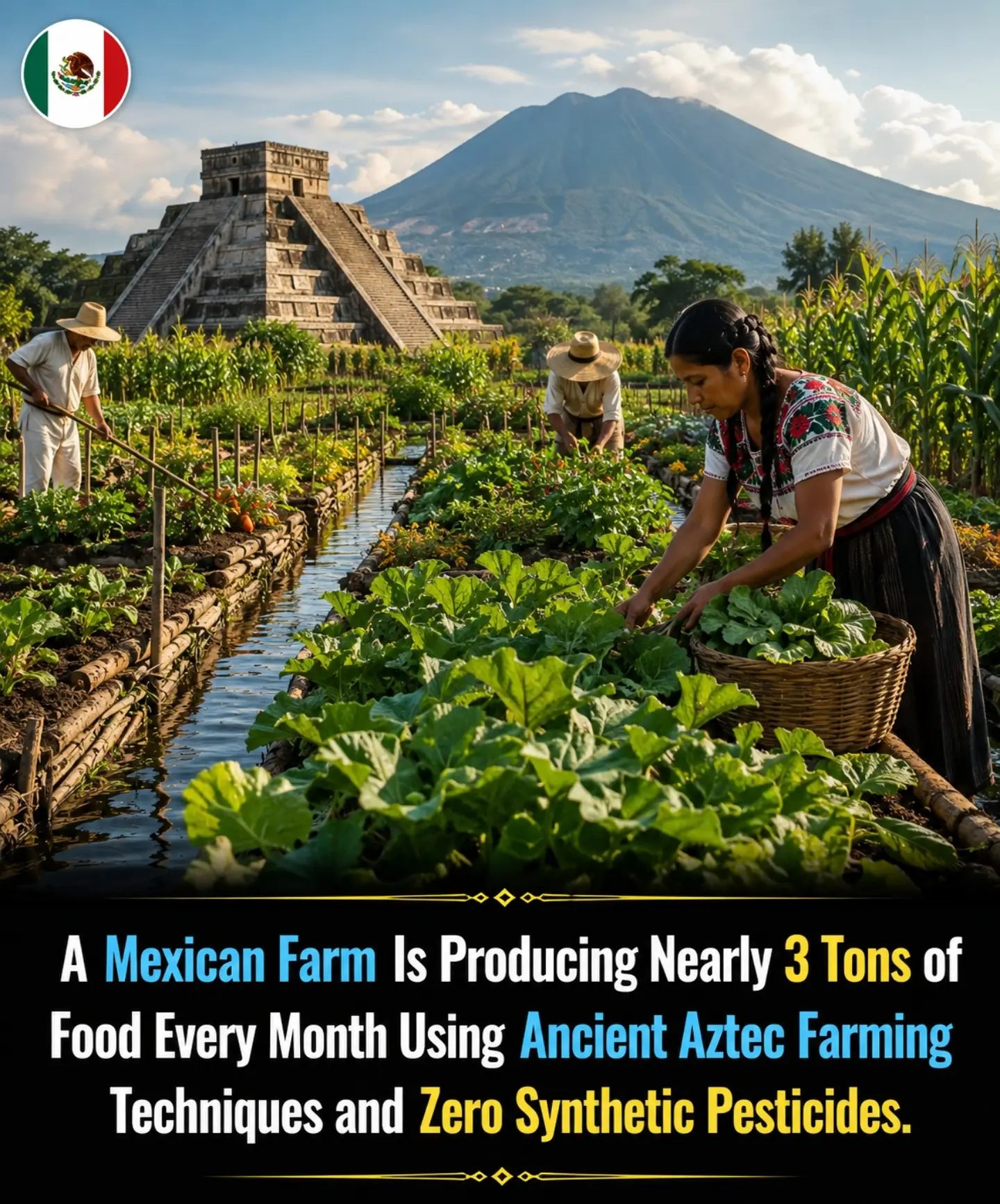
Sustainable Farming in Mexico
Mexican farms are embracing ancient farming techniques to produce food sustainably. These methods, rooted in Aztec agricultural practices, are yielding impressive results while prioritizing environmental health. This approach not only supports local food production but also offers valuable insights into sustainable agriculture.
Context / Why this matters
With global concerns about food security and environmental sustainability on the rise, understanding and implementing effective farming techniques is crucial. By adopting traditional methods, Mexican farming is paving the way for a more sustainable future. This approach focuses on producing food without synthetic pesticides, which is beneficial in creating a healthier ecosystem and supporting biodiversity. As a result, the local community thrives both economically and ecologically.
Main discussion
The Power of Ancient Aztec Techniques
Ancient Aztec farming techniques are deeply rooted in harmony with nature. These methods focus on sustainable soil management, efficient water use, and biodiversity preservation. By using these techniques, farmers can achieve impressive yields while minimizing environmental impact.
Soil Management
The Aztecs employed a method known as chinampas, or floating gardens, which involved creating raised beds in shallow lake beds. This technique not only improved soil fertility but also allowed for efficient use of water. Modern adaptations of these practices help maintain soil health and promote nutrient-rich crops.
Water Conservation
Water is a precious resource, and efficient use is vital for sustainable farming. Aztec techniques like terracing and ditch irrigation help conserve water by reducing evaporation and run-off. These methods ensure that crops receive the necessary hydration while minimizing wastage.
Biodiversity
Aztec farming techniques prioritize biodiversity by integrating various crops and crops with animals, thereby creating a balanced ecosystem. This approach helps in pest control, pollination, and soil enrichment. For instance, planting native flowers alongside crops attracts beneficial insects and birds, which helps in natural pest management.
Zero Synthetic Pesticides
The absence of synthetic pesticides in Aztec-inspired farming methods is a significant advantage. Synthetic pesticides can harm beneficial insects, contaminate water sources, and pose health risks to humans. By avoiding these chemicals, farmers can produce healthier crops and promote a balanced ecosystem.
Practical Tips
Incorporating Aztec farming techniques into modern practices doesn't have to be daunting. Here are a few practical tips to get started:
- Ditch Irrigation: This method involves creating small channels that direct water to the roots of the plants. This reduces evaporation and ensures plants get the water they need.
- Composting: Use organic waste to create compost, which enriches the soil with nutrients and improves its structure.
- Crop Rotation: Rotate crops to maintain soil fertility and prevent the depletion of specific nutrients. This also helps in controlling pests and diseases.
- Integrated Pest Management (IPM): Use a combination of biological, cultural, physical, and chemical tools to manage pests. This approach emphasizes prevention and control with minimal environmental impact.
- Adaptability: Keep an open mind to integrate traditional techniques that have proven effective. For example, creating raised beds or mimicking ancient terracing methods can help in water conservation and soil management.
Important takeaways
- Sustainable Practices: Traditional Aztec farming techniques offer a blueprint for sustainable agriculture. These methods prioritize soil health, water conservation, and biodiversity, making them ideal for modern farming practices.
- No Synthetic Pesticides: By avoiding synthetic pesticides, farmers can produce healthier crops and support a balanced ecosystem.
- Community and Economy: Sustainable farming not only benefits the environment but also supports local communities and economies. This approach ensures food security and promotes biodiversity.
Conclusion
Relying on ancient Aztec farming techniques offers a promising avenue for sustainable agriculture in Mexico. By integrating these methods, farmers can produce nearly 3 tons of food every month while preserving the environment. The absence of synthetic pesticides further enhances the environmental and health benefits, making this approach a model for sustainable farming globally. As more farmers adopt these practices, the future of agriculture looks greener and more sustainable.
Watch the Reel
Questions readers ask
What are some key Aztec farming techniques being revived in Mexican farms?
Some key Aztec farming techniques being revived include chinampas, which are raised agricultural beds built in shallow lake beds or marshes, and milpas, a polyculture system involving intercropping corn, beans, and squash. Other methods may include using natural fertilizers and organic pest control.
How does Aztec agriculture support environmental sustainability?
Aztec farming techniques support environmental sustainability by promoting biodiversity, conserving water, and reducing the reliance on synthetic chemicals. These methods help to create a healthier ecosystem and minimize environmental impact.
What is the significance of harvesting without synthetic chemicals in Mexican farming?
Harvesting without synthetic chemicals is significant because it helps to preserve soil health, reduces water pollution, and supports biodiversity. Additionally, it contributes to producing healthier food for communities.
How does the revival of traditional Aztec agriculture contribute to food security?
The revival of traditional Aztec agriculture contributes to food security by increasing local food production and creating a more resilient food system. Additionally, these techniques can be adapted to various environments, making them a valuable tool in addressing global food security challenges.
What role does biodiversity play in Aztec-based farming practices?
Biodiversity plays a crucial role in Aztec-based farming practices by enhancing soil fertility, promoting natural pest control, and increasing crop resilience. The integration of diverse plant and animal species supports a balanced ecosystem and improves overall farm productivity.
How does sustainable farming in Mexico benefit local communities?
Sustainable farming in Mexico benefits local communities by providing fresh, locally grown produce, supporting local economies, and creating jobs. Additionally, these farming practices contribute to healthier ecosystems, which can lead to better overall health and well-being for nearby residents.
Recent articles
Fresh deep dives from the latest Reels we unpacked.




Comments
Be the first to comment.