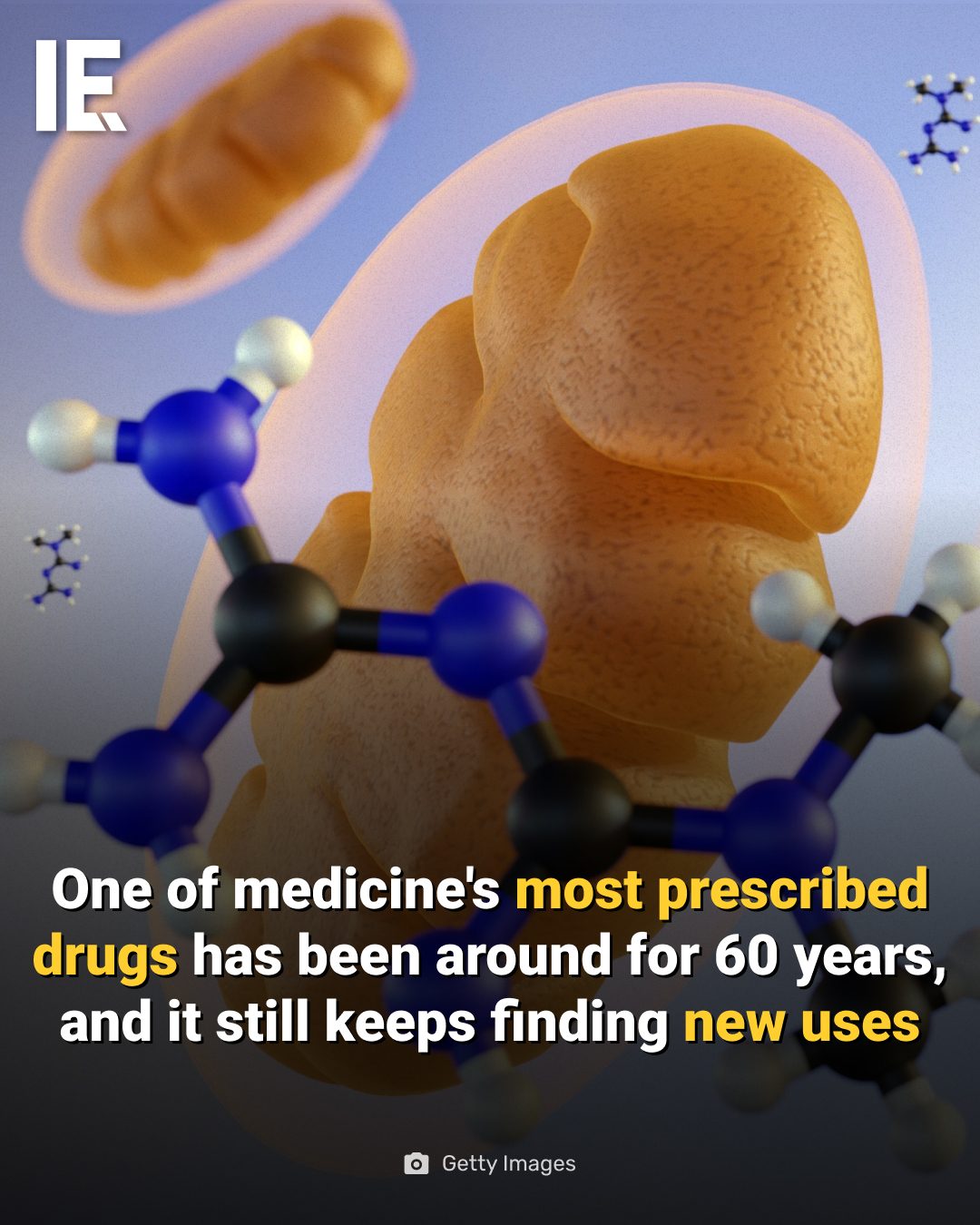
Metformin: A Six-Decade Journey in Diabetes Treatment and Beyond
Metformin is a widely known and extensively used drug in the treatment of type 2 diabetes. Since its introduction in the late 1950s, metformin has become a cornerstone in managing this chronic condition. Its journey, however, stretches back even further to ancient folk remedies.
A Central Role in Diabetes Management
Metformin was first synthesized in the 1920s, derived from a plant known as galega officinalis, which was historically used to treat symptoms resembling diabetes. It wasn't until the 1950s, however, that clinicians began to recognize its potential in managing type 2 diabetes. The drug works by lowering glucose production in the liver, enhancing insulin sensitivity in muscles, and activating AMP-activated protein kinase (AMPK), which acts as a cellular energy sensor. This multifaceted mechanism makes metformin highly effective in controlling blood sugar levels.
The drug's popularity is evidenced by its usage worldwide and its recommendation in international health guidelines. In 2026, UK health guidelines were updated to advocate for combining metformin with a newer class of medications from the start, demonstrating its enduring relevance.
Historical Context
Metformin's roots date back to the plant galega officinalis, used in traditional folk medicine to manage symptoms of diabetes. This historical context is significant as it highlights the evolution of medicinal knowledge from natural remedies to modern pharmaceuticals. The transition from folk medicine to scientific research reflects a broader narrative in healthcare, where traditional wisdom often precedes and informs modern medicine.
Metformin was synthesized in the 1920s, but it wasn't until the 1950s that its therapeutic potential in managing diabetes was fully realized. The decades that followed witnessed its widespread adoption in diabetes treatment, owing to its efficacy and affordability. By the 1970s, metformin had become a standard in diabetes care. Beyond its role in diabetes, metformin has been extensively researched for potential benefits in conditions like polycystic ovary syndrome (PCOS), certain cancers, aging, and neurodegenerative diseases.
Latest Research and Future Directions
Researchers have explored metformin's potential to address various health conditions beyond diabetes. Some of the most promising areas of investigation include:
PCOS (Polycystic Ovary Syndrome)
One of the most promising applications of metformin is in the treatment of PCOS, a hormonal disorder that affects many women. Metformin has been shown to improve insulin resistance, which is a key factor in PCOS. By enhancing insulin sensitivity, metformin can help regulate menstrual cycles, reduce androgen levels, and promote ovulation, offering a non-invasive approach to managing this condition. Moreover, it may enhance fertility in women struggling with PCOS.
Cancer
Several studies have suggested that metformin may have anti-cancer properties. By activating AMPK and inhibiting the mTOR pathway, metformin can potentially slow the growth of cancer cells. Preliminary research indicates that metformin may be beneficial in preventing and treating certain types of cancer, particularly in patients with diabetes. However, more research is needed to confirm these findings and to understand the underlying mechanisms better.
Aging and Neurodegenerative Diseases
Researchers have also explored the potential of metformin to slow the aging process and reduce the risk of age-related diseases, including neurodegenerative conditions like Alzheimer's disease. Metformin's ability to activate AMPK, a key regulator of cellular energy, suggests that it may have a role in maintaining cellular health and function, which could have implications for longevity and healthy aging.
A Cost-Effective Solution
After six decades, metformin remains one of the most affordable and widely prescribed medicines, making it a cornerstone of diabetes treatment. Its cost-effectiveness is particularly significant in countries where access to healthcare is limited. Metformin's affordability, in combination with its efficacy and safety, makes it an essential component of global diabetes management strategies.
Practical Tips for Managing Diabetes with Metformin
While metformin is a cornerstone in diabetes treatment, maximizing its benefits involves several practical considerations. Here are some key tips:
Consistent Usage
Consistency in taking metformin is crucial for maintaining stable blood sugar levels. Skipping doses can lead to fluctuations in glucose levels, making it essential to adhere to the prescribed regimen.
Monitoring Blood Sugar Levels
Regular monitoring of blood sugar levels is vital for understanding the effectiveness of metformin. It helps in adjusting doses and managing the condition better.
Combination with Diet and Exercise
Metformin works best when combined with a healthy diet and regular exercise. A balanced diet rich in fiber and low in sugars and carbohydrates, along with regular physical activity, can enhance the drug's effectiveness.
Side Effects and Management
Common side effects of metformin include gastrointestinal issues like diarrhea and nausea. Starting with a lower dose and gradually increasing it can help mitigate these symptoms. Additionally, taking metformin with food can reduce gastrointestinal discomfort.
Personalized Care
Personalized diabetes care is increasingly recognized as essential, reflecting the broader shift toward individualized treatment plans. Combining metformin with other medications, based on individual needs and health conditions, can enhance its effectiveness. Moreover, staying informed about the latest updates in diabetes management, such as the 2026 UK health guidelines, ensures that you receive the most effective treatment.
Important Takeaways
Metformin's longevity in diabetes treatment is a testament to its efficacy, affordability, and adaptability. From its historical roots in folk medicine to its modern applications in managing PCOS, cancer, and neurodegenerative diseases, metformin's journey is a compelling narrative in the evolution of healthcare. Understanding its mechanisms, practical usage, and ongoing research can provide valuable insights for managing diabetes and exploring its potential in other health conditions.
Conclusion
Metformin remains one of the most widely prescribed and essential drugs in the treatment of type 2 diabetes. Its ongoing applications and research in various health conditions underscore its importance in modern medicine. By understanding its history, mechanisms, and practical usage, one can appreciate the significant role of metformin in diabetes management and its potential in addressing a range of health challenges.
Watch the Reel
Questions readers ask
What is the origin of Metformin?
Metformin's origins trace back to the 1920s, when it was first synthesized from a plant called *galega officinalis*. This plant was historically used in folk remedies for conditions resembling diabetes.
How does Metformin help manage type 2 diabetes?
Metformin helps manage type 2 diabetes by reducing the amount of glucose produced by the liver, improving how muscles respond to insulin, and acting as a sensor for cellular energy. This multi-faceted approach makes it a key treatment for maintaining healthy blood sugar levels.
When was Metformin first used to treat diabetes?
Metformin was first recognized for its potential in treating type 2 diabetes in the 1950s. Since its introduction in the late 1950s, it has become the most commonly prescribed drug for this condition.
What makes Metformin a cornerstone in diabetes management?
Metformin's ability to tackle diabetes from multiple angles—by lowering liver glucose production, boosting muscle insulin sensitivity, and regulating cellular energy—makes it an indispensable tool in managing type 2 diabetes.
Are there any other benefits of Metformin besides managing diabetes?
While primarily used for diabetes management, Metformin has also been studied for its potential benefits in other areas, such as slowing aging processes and improving metabolic health, though more research is needed in these fields.
How does Metformin compare to other diabetes treatments?
Metformin is often preferred as a first-line treatment due to its effectiveness, low cost, and minimal side effects compared to other diabetes medications. However, individual treatment plans should be discussed with a healthcare provider to determine the best course of action.
What are common misconceptions about Metformin?
One common misconception is that metformin is only for people with severe diabetes, but it is actually recommended for most people with type 2 diabetes as an initial treatment. Another misconception is that it causes weight gain, but in reality, it can help with weight management in some individuals.
Related deep dives
Similar reads based on topic and creator.

Recent articles
Fresh deep dives from the latest Reels we unpacked.




Comments
Be the first to comment.