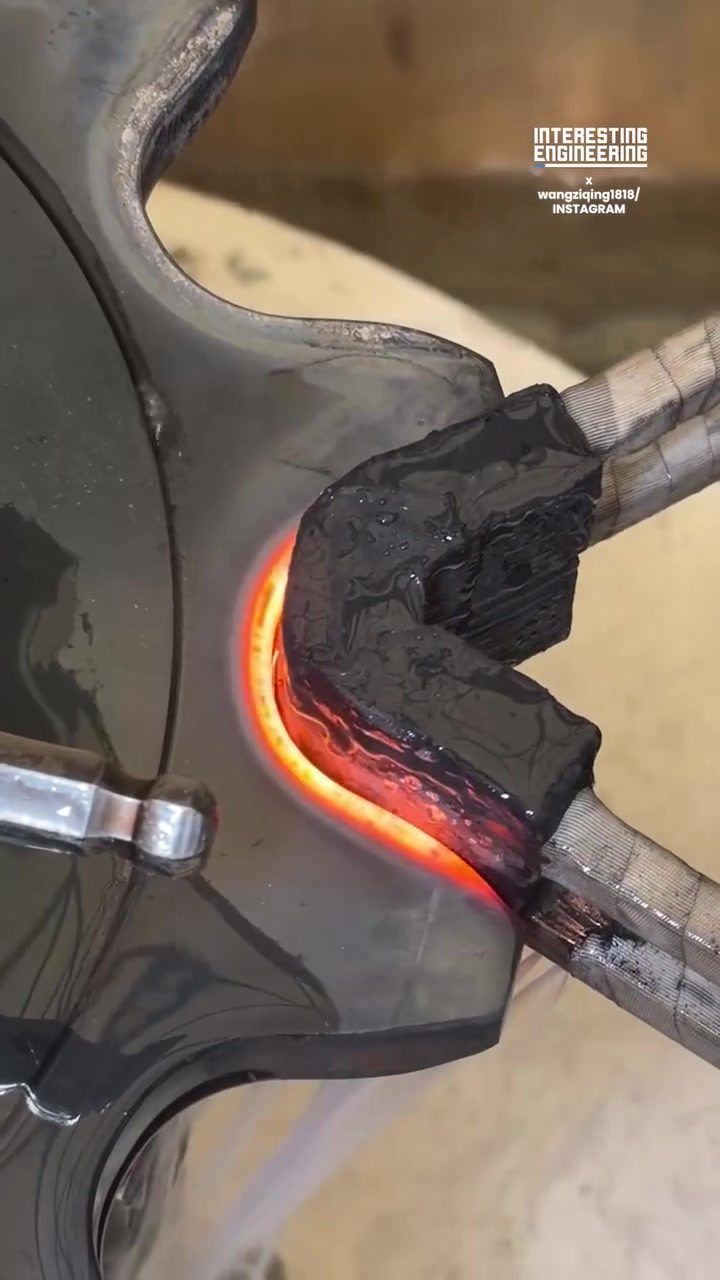
High-Frequency Quenching in Metalworking
High-frequency quenching is a specialized metalworking process designed to enhance the durability and performance of metal surfaces. This technique involves rapidly heating and cooling the metal, which significantly increases its resistance to wear and fatigue. The process is particularly noteworthy for the speed at which it operates, allowing the metal to be cooled so quickly that it barely has time to glow.
Why This Matters
High-frequency quenching is crucial in industries where metal components are subjected to extreme conditions. By enhancing the metal's surface properties, this process extends the lifespan of critical parts and reduces the likelihood of failure. This is especially important in sectors such as aerospace, automotive, and heavy machinery, where reliability and durability are paramount.
The Process of High-Frequency Quenching
Rapid Heating and Cooling
The essence of high-frequency quenching lies in its ability to rapidly heat and cool metal surfaces. This process is typically carried out using specialized industrial machinery capable of delivering high-intensity heat and rapid cooling. The machinery often includes intricate gear structures and cooling systems that ensure precise control over the temperature and duration of each phase.
Water as a Coolant
One of the key elements in high-frequency quenching is the use of water as a coolant. The water is sprayed onto the metal components during the cooling phase, which helps to dissipate heat quickly and efficiently. This rapid cooling is essential for achieving the desired surface properties, as it prevents the metal from undergoing significant structural changes that could compromise its integrity.
Heat Treatment and Orange Glow
During the heating phase, the metal components often emit a bright orange glow, indicating the high temperatures involved. This glow is a visual cue of the heat treatment process, which prepares the metal for the rapid cooling phase. The orange glow highlights the precision and complexity of industrial engineering, showcasing the intricate machinery and processes required to achieve the desired results.
Increasing Resistance to Wear and Fatigue
The primary goal of high-frequency quenching is to increase the metal's resistance to wear and fatigue. By rapidly cooling the metal, the process creates a harder, more durable surface layer. This enhanced surface is less susceptible to wear from friction and mechanical stress, making it ideal for components that experience heavy use or are exposed to harsh environmental conditions.
Practical Tips for Implementing High-Frequency Quenching
Choose the Right Equipment
Selecting the appropriate industrial machinery is crucial for effective high-frequency quenching. The equipment should be capable of delivering precise and consistent heating and cooling cycles. This includes gears that can handle the high temperatures and water cooling systems that ensure rapid and uniform cooling.
Monitor Temperature and Cooling Rates
Careful monitoring of temperature and cooling rates is essential for achieving optimal results. The equipment should include sensors and control systems that allow for real-time adjustments to the heating and cooling processes. This ensures that the metal is treated under the correct conditions, maximizing its durability and performance.
Consider the Type of Metal
Different metals respond differently to high-frequency quenching, so it is important to tailor the process to the specific type of metal being treated. Some metals may require different heating and cooling rates or additional treatments to achieve the desired surface properties.
Regular Maintenance
Regular maintenance of the industrial machinery is vital for ensuring consistent and reliable performance. This includes cleaning and inspecting the gear structures, maintaining the cooling systems, and replacing any worn-out components. Regular maintenance helps to prevent downtime and ensures that the machinery operates at peak efficiency.
Important Takeaways
High-frequency quenching is a powerful method for enhancing the durability of metal components. By rapidly heating and cooling the metal, this process creates a harder, more resistant surface layer. The use of water as a coolant and the precise control over temperature and cooling rates are key to achieving the desired results.
The process highlights the precision and complexity of industrial engineering, requiring specialized machinery and careful monitoring. By understanding and implementing high-frequency quenching, industries can significantly improve the performance and longevity of their metal components.
Conclusion
High-frequency quenching is a vital process in modern metalworking, offering a reliable way to enhance the durability and performance of metal surfaces. By rapidly heating and cooling the metal, this technique increases its resistance to wear and fatigue, making it ideal for critical components in various industries. With the right equipment, careful monitoring, and regular maintenance, high-frequency quenching can deliver exceptional results, ensuring the reliability and longevity of metal parts in demanding applications.
Watch the Reel
Questions readers ask
What is high-frequency quenching and how does it work?
High-frequency quenching is a metalworking process that involves rapidly heating and cooling metal surfaces. This technique enhances the durability and performance of the metal. The process uses water for efficient cooling, ensuring precise control over the metal's structural integrity and allowing the metal to be cooled so quickly that it barely has time to glow.
Why is high-frequency quenching important in the aerospace industry?
In aerospace, high-frequency quenching is vital for enhancing the durability and performance of metal parts. It extends the lifespan of critical components and reduces failure risks, which is crucial in an industry where safety and reliability are paramount.
What benefits does high-frequency quenching offer for automotive metal components?
For automotive metal components, high-frequency quenching enhances wear resistance and fatigue resistance. This process is particularly beneficial for parts subject to extreme conditions, ensuring they last longer and perform better under stress.
How does high-frequency quenching improve metal durability?
High-frequency quenching improves metal durability by rapidly heating and cooling the metal. This process significantly increases the metal's resistance to wear and fatigue, making it more durable and long-lasting.
What role does water play in the high-frequency quenching process?
Water is used in the high-frequency quenching process for efficient cooling. It ensures that the metal is cooled rapidly, which is crucial for enhancing the metal's surface properties and maintaining its structural integrity.
Can high-frequency quenching be applied to all types of metals?
While high-frequency quenching is effective for many metals, its suitability depends on the specific metal and its intended application. It is commonly used in industries that require high durability and precision, such as aerospace and automotive, and is typically applied to metals like steel and titanium.
What makes high-frequency quenching different from other metal heat treatment methods?
High-frequency quenching stands out due to its speed and precision. Unlike traditional metal heating and cooling methods, this process cools the metal so rapidly that it barely has time to glow, providing enhanced surface hardening and precise control over the metal's structural integrity.
Related deep dives
Similar reads based on topic and creator.

Recent articles
Fresh deep dives from the latest Reels we unpacked.




Comments
Be the first to comment.