Metal Lathes: Precision in Metalworking
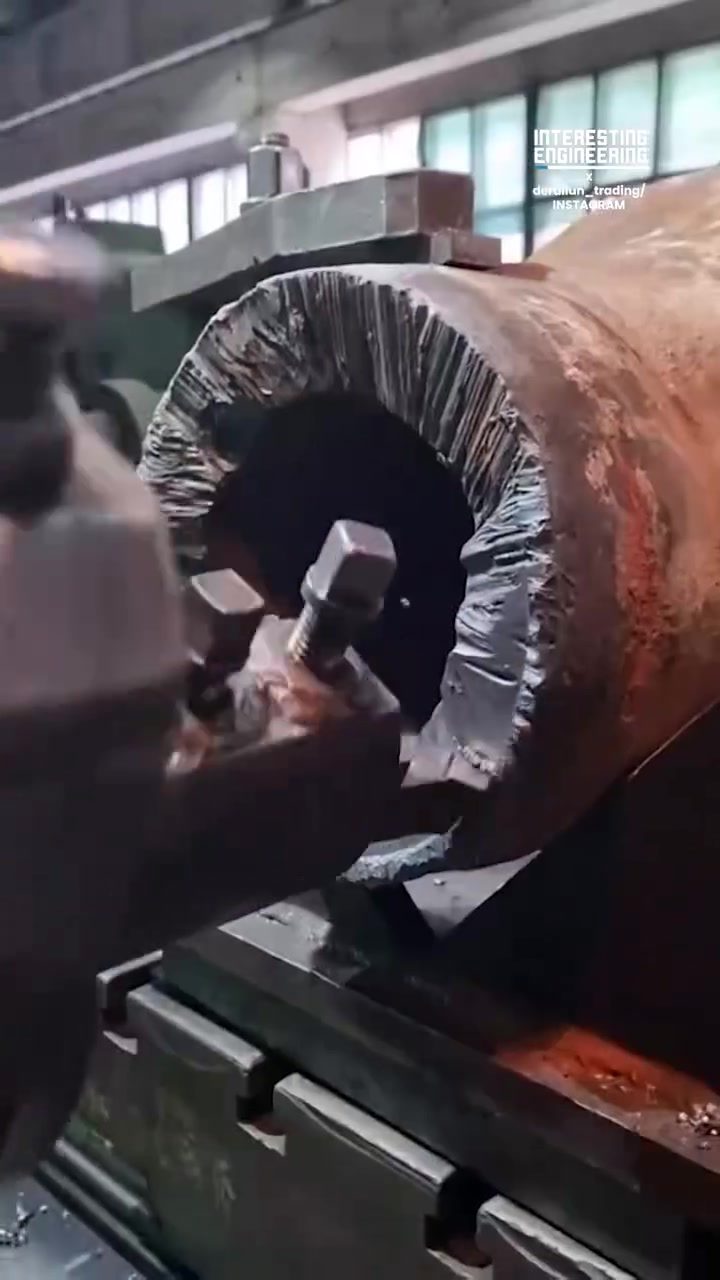
Metal lathes are essential tools in the world of metalworking, providing the precision and versatility needed for a wide range of industrial applications. These machines are designed to shape metal by removing material through various cutting operations. The process typically involves a rough cylindrical metal piece being machined on a lathe, using operations like boring and facing to smooth the inner diameter and end face.
Why This Matters
Metal lathes are critical for industries that require precise metal components, such as automotive, aerospace, and manufacturing. The ability to create smooth, precise openings and surfaces is crucial for ensuring the functionality and durability of metal parts. The machines' versatility allows for the creation of complex shapes and intricacies that are essential for modern engineering and design.
Understanding Metal Lathes
What is a Metal Lathe?
A metal lathe is a machine tool used to shape metal workpieces by rotating them while a cutting tool removes material. The cutting tool can move in various axes to achieve different shapes and dimensions. Metal lathes can perform a variety of operations, including:
- Turning: Removing material to create cylindrical shapes.
- Facing: Creating a flat surface on the end of a workpiece.
- Boring: Widening a hole that has already been drilled.
- Threading: Cutting threads into a workpiece.
Key Components
Understanding the key components of a metal lathe is essential for effective use and maintenance:
- Headstock: This is where the spindle is located. The spindle holds the workpiece and rotates it.
- Tailstock: This component supports the other end of the workpiece, ensuring stability during machining.
- Bed: The base of the lathe, which provides support and stability for the entire machine.
- Chuck: A device used to hold the workpiece in place, allowing it to rotate with the spindle.
- Tool Post: A holder for the cutting tool, which can be adjusted to different positions for various machining operations.
Maintenance and Cleaning
Maintaining a metal lathe is crucial for ensuring its longevity and precision. Regular cleaning removes metal shavings and other debris that can accumulate during use. This includes:
- Chuck and Bed: These components should be cleaned regularly to prevent the buildup of metal shavings, which can affect the machine's performance and precision.
- Tooling: Regular inspection and maintenance of the cutting tools ensure they remain sharp and effective. Dull tools can cause inaccuracies and damage to the workpiece.
Practical Tips for Using a Metal Lathe
Setting Up the Workpiece
- Select the Correct Chuck: Choose a chuck that fits the workpiece securely. Common types include three-jaw chucks, four-jaw chucks, and collet chucks.
- Align the Workpiece: Ensure the workpiece is correctly aligned with the spindle to avoid wobbling and ensure precise machining.
- Secure the Tailstock: Adjust the tailstock to support the workpiece and provide stability during machining.
Machining Techniques
- Turning: Use a turning tool to remove material and create the desired shape. Start with a rough cut to remove excess material, followed by a finishing cut for a smooth surface.
- Facing: Use a facing tool to create a flat surface on the end of the workpiece. Ensure the tool is perpendicular to the spindle axis for accuracy.
- Boring: Use a boring tool to widen holes. Ensure the tool is aligned with the center of the hole to maintain accuracy.
- Threading: Use a threading tool to cut threads into the workpiece. Ensure the tool is correctly aligned with the workpiece to achieve the desired thread pitch.
Safety Precautions
- Wear Protective Gear: Always wear safety glasses, gloves, and ear protection when operating a metal lathe.
- Maintain Clear Workspace: Keep the workspace clear of clutter and ensure there are no obstructions that could interfere with the machining process.
- Inspect the Machine: Regularly inspect the machine for any signs of wear or damage and perform routine maintenance to ensure it operates safely and efficiently.
- Follow Safety Protocols: Always follow the manufacturer's safety guidelines and protocols when operating the lathe.
Important Takeaways
Metal lathes are indispensable tools in metalworking, offering the precision and versatility needed for a wide range of industrial applications. Proper maintenance, cleaning, and machining techniques are essential for achieving the best results and ensuring the longevity of the machine. By understanding the key components and following best practices, metalworkers can create precise, high-quality metal parts efficiently and safely. Regular maintenance and safety precautions are crucial for the effective use of a metal lathe, ensuring it remains a reliable tool in the workshop.
Conclusion
Metal lathes play a vital role in the metalworking industry, providing the precision and versatility needed for creating complex and intricate metal parts. Understanding how to operate, maintain, and clean these machines is essential for achieving the best results and ensuring their longevity. By following best practices and safety protocols, metalworkers can produce high-quality components efficiently and safely.
Watch the Reel
Questions readers ask
What are the primary operations performed on a metal lathe?
A metal lathe can perform several key operations, including turning, which involves shaping a cylindrical workpiece by removing material to achieve the desired diameter. Other operations include facing, which smooths the end of a workpiece, and boring, which creates precise internal openings. Additionally, metal lathes can perform threading to create screw threads on the workpiece.
Why is precision crucial in industrial metalworking with lathes?
Precision in industrial metalworking using metal lathes is vital for ensuring the functionality and durability of metal parts. Industries like automotive and aerospace require components that fit together perfectly and perform reliably under various conditions. Precision machining guarantees that parts meet exact specifications, reducing the risk of failures and enhancing overall product quality.
What types of industries rely heavily on metal lathes?
Several industries depend on metal lathes for their precision and versatility. These include the automotive industry, where precise components are essential for engine and transmission parts, and the aerospace industry, which requires highly accurate and durable parts for aircraft and spacecraft. The manufacturing sector also relies on metal lathes to produce a wide range of components for various applications.
How does a metal lathe help in creating cylindrical metal parts?
A metal lathe is specifically designed to create cylindrical metal parts by rotating the workpiece while a cutting tool removes material. Through operations like turning and facing, the lathe can shape the workpiece to the exact dimensions required, ensuring a smooth and precise surface. This capability is crucial for producing components that need to fit together with high accuracy.
What is the process of lathe threading and why is it important?
Lathe threading involves creating screw threads on a workpiece using a specialized cutting tool. This process is important for manufacturing components that require precise threading, such as bolts, nuts, and screws. Accurate threading ensures that these components can be assembled and disassembled easily, and that they function reliably under various conditions.
Can metal lathes be used to create non-cylindrical shapes?
While metal lathes are primarily designed for creating cylindrical shapes, they can also be used to create other shapes through specialized operations and attachments. For instance, a lathe can produce conical shapes, tapers, and even some irregular shapes with the right tools and techniques. However, for complex, non-cylindrical shapes, other machining tools like milling machines or CNC routers might be more suitable.
What are the benefits of using a metal lathe for metal component manufacturing?
Using a metal lathe for manufacturing metal components offers several benefits, including high precision and versatility. Metal lathes can perform a variety of operations on a single machine, reducing the need for multiple tools and streamlining the manufacturing process. Additionally, lathes can handle a wide range of materials, from soft metals like aluminum to harder metals like stainless steel, making them a versatile choice for various industrial applications.
Related deep dives
Similar reads based on topic and creator.


Recent articles
Fresh deep dives from the latest Reels we unpacked.




Comments
Be the first to comment.