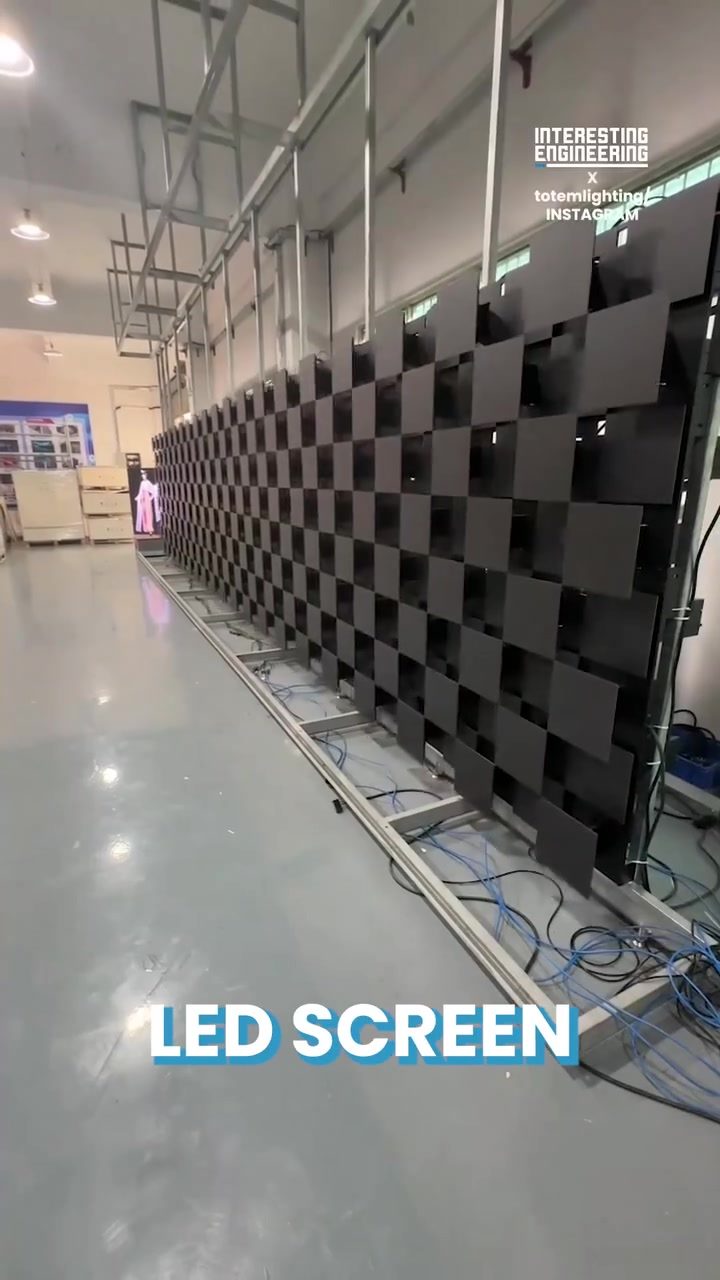
Kinetic LED Displays
Kinetic LED displays, such as those offered by totemlighting, represent a significant advancement in display technology. These innovative screens offer a new level of visual effects and immersion, setting them apart from traditional static displays. This article explores the unique features and capabilities of kinetic LED displays, their applications, and what makes them an exciting development in visual technology.
Context / Why this matters
Kinetic LED displays are not just about showing images; they are about creating immersive, dynamic experiences. The ability to move individual panels and create unique textures and shapes opens up new possibilities for visual storytelling, entertainment, and advertising. As technology continues to evolve, kinetic LED displays are poised to become a staple in various industries, from live events to digital art installations.
Main discussion
The Technology Behind Kinetic LED Displays
Kinetic LED displays consist of numerous individual LED panels mounted on a moving frame. This design allows the panels to move independently, creating a dynamic and immersive visual experience. The movement of the panels can be precisely controlled to generate intricate patterns, shapes, and textures, providing a level of visual engagement that static displays cannot match.
Unique Visual Effects
One of the standout features of kinetic LED displays is their ability to create unique visual effects. The independent movement of the panels allows for the generation of complex textures and patterns that can captivate audiences. Whether it's a mesmerizing wave of colors or a dynamic geometric pattern, these displays can produce visuals that are both stunning and engaging.
Creating Immersive Experiences
The immersive nature of kinetic LED displays makes them ideal for creating engaging experiences. Whether used in a live performance, a digital art installation, or an advertising campaign, these displays can draw audiences in and keep them captivated. The combination of visual effects and movement creates a sensory experience that is hard to ignore.
Applications and Use Cases
Kinetic LED displays have a wide range of applications across various industries. In live events, these displays can create stunning backdrops and visual effects that enhance the overall experience. In digital art, kinetic LED displays can be used to create interactive installations that allow viewers to engage with the art in new and exciting ways. Additionally, these displays can be used in advertising to create eye-catching and memorable campaigns.
The Engineering Behind the Display
The engineering behind kinetic LED displays is complex and requires precise control over the movement of the panels. Each panel must be able to move independently while maintaining synchronization with the overall display. This level of engineering precision ensures that the visual effects are smooth and seamless, providing a high-quality viewing experience.
Practical tips
Choosing the Right Kinetic LED Display
When selecting a kinetic LED display, it's essential to consider the specific needs of your project. Factors such as panel size, resolution, and movement capabilities should be taken into account. Additionally, the software used to control the display is crucial for achieving the desired visual effects.
Maintenance and Care
To ensure the longevity and performance of a kinetic LED display, regular maintenance is necessary. This includes checking the mechanical components for wear and tear, as well as calibrating the panels to maintain color accuracy and brightness. Proper care and maintenance will help extend the lifespan of the display and keep it performing at its best.
Important takeaways
Kinetic LED displays offer a new level of visual effects and immersion, making them a game-changer in the world of display technology. The ability to create unique textures and patterns, combined with their immersive nature, makes them ideal for a wide range of applications. From live events to digital art installations, kinetic LED displays provide a dynamic and engaging visual experience that captivates audiences.
Conclusion
Kinetic LED displays are a remarkable advancement in display technology. Their ability to create dynamic and immersive visual experiences, combined with their versatility and applications, make them a valuable addition to any project that requires stunning visuals. As technology continues to evolve, kinetic LED displays are set to become a staple in various industries, offering new and exciting possibilities for visual storytelling and engagement. With careful selection, maintenance, and creative use, kinetic LED displays can elevate any project to new heights.
Watch the Reel
Questions readers ask
What sets kinetic LED displays apart from traditional LED screens?
Kinetic LED displays, like those from Totemlighting, differ from traditional LED screens by offering dynamic movement. Individual LED panels can move and reorient, creating intricate patterns, shapes, and textures that static screens cannot achieve, thus enhancing the visual experience.
What are some common uses for kinetic LED displays?
Kinetic LED displays are highly versatile and can be used in a variety of settings, including live events, major installations and exhibitions, advertising campaigns, and interactive art displays. Their ability to create immersive, dynamic experiences makes them ideal for capturing attention in these environments.
How do kinetic LED displays enhance visual storytelling?
By allowing individual LED panels to move, kinetic LED displays can create patterns and shapes that evolve over time. This capability enables storytellers to craft dynamic visual narratives that engage viewers through movement and transformation, making the content more memorable and impactful.
What engineering goes into creating kinetic LED displays?
Kinetic LED displays require advanced engineering to facilitate the movement of individual panels. This includes precise motor control, seamless synchronization of visuals and movement, and robust structural design to ensure stability. Totemlighting's expertise in LED display engineering is crucial for creating reliable and visually stunning kinetic displays.
Can kinetic LED displays be used outdoors?
Yes, kinetic LED displays can be designed for outdoor use. Outdoor kinetic LED displays typically feature weather-resistant components and bright, high-contrast visuals to ensure visibility in varying lighting conditions. They are well-suited for large-scale events, public art installations, and outdoor advertising.
How do kinetic LED displays compare to other forms of digital art?
Kinetic LED displays offer a unique form of digital art due to their dynamic nature. Unlike static digital art or even video screens, kinetic LED displays can physically change shape and form, creating a more interactive and engaging experience. This makes them a standout choice for artists and designers looking to push the boundaries of visual expression.
Recent articles
Fresh deep dives from the latest Reels we unpacked.




Comments
Be the first to comment.