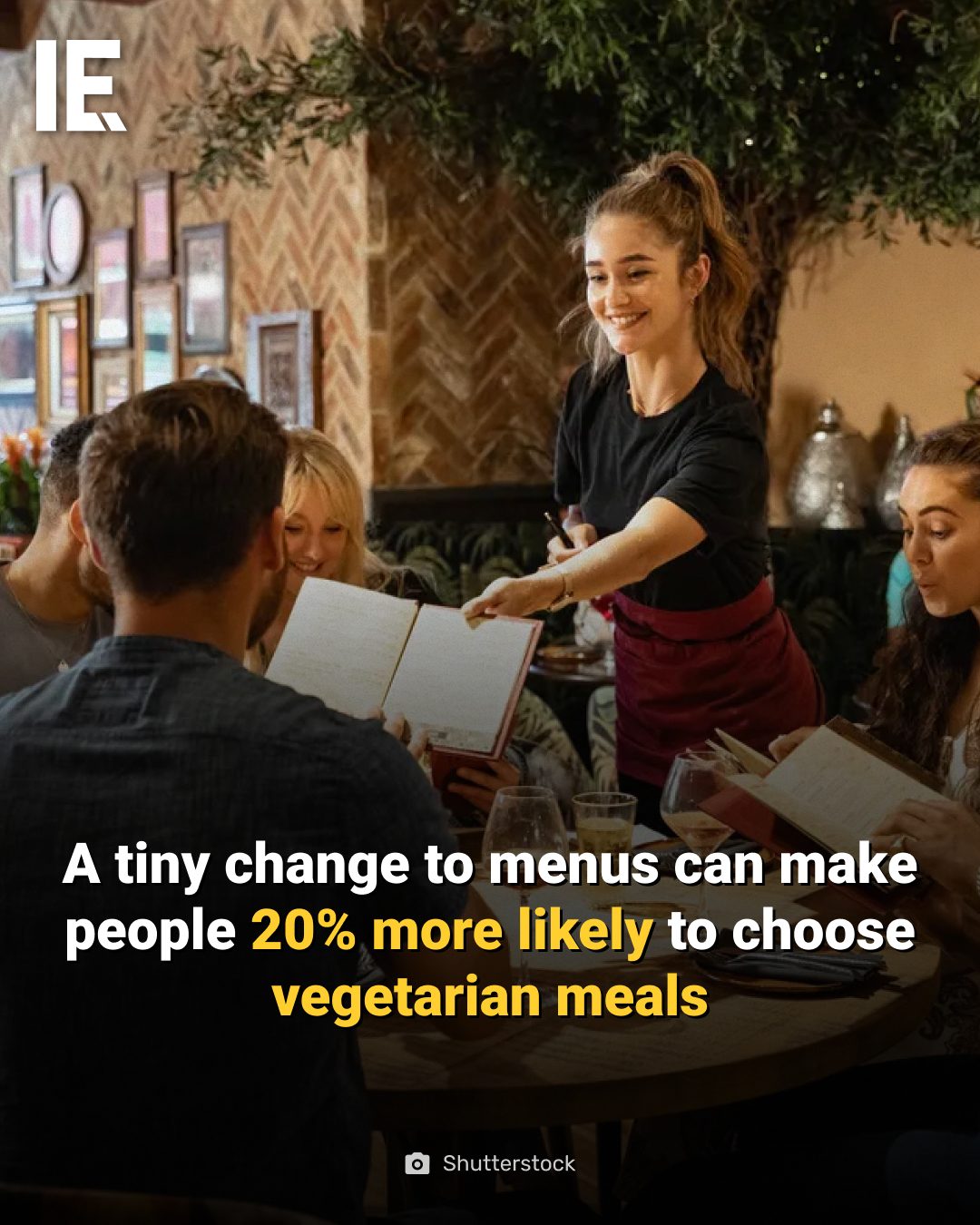
Restaurant Menu Strategy
The strategic design of a restaurant menu can significantly influence customer choices, extending far beyond simple itemization or pricing. Through thoughtful layout, imagery, and wording choices, menus can subtly nudge diners toward certain selections, including more sustainable options.
Why This Matters
In an ever-changing culinary landscape where sustainability and ethical food choices matter to many diners, the power of menu design can't be overlooked. By making small, non-intrusive changes, restaurants can encourage customers to opt for vegetarian and plant-based meals, thereby reducing the environmental impact of their dining decisions. This shift is not just about appealing to a niche market; it's about meeting the growing demand for sustainable and responsible dining.
Main Discussion
The Power of Visual Cues
A study highlighted that simply adding animal images next to meat dishes can significantly increase the likelihood of customers choosing vegetarian options. This subtle change can boost the selection of vegetarian meals by 20-22%. The reason behind this phenomenon lies in the psychological impact of visual cues. When people see images of animals, it reminds them of the origin of their food, making the choice to opt for vegetarian options more appealing. This minor tweak does not restrict the diner's selection; instead, it subtly shifts their behavior by making the source of the food more visible.
Enhancing Menu Design with Visuals
Visual elements on a menu are not just for aesthetics; they play a critical role in influencing customer decisions. When designing a menu, consider the following:
Type of Images
-
Clear and Realistic Images: Use high-quality, realistic images of animals to subtly remind customers of the origin of their meals. This can be especially effective in emphasizing the ethical and environmental impact of their choices.
-
Placement and Contrast: Place the images in a way that makes them noticeable but not intrusive. For example, pairing meat dishes with corresponding animal images can create a strong visual contrast that influences choices without being overt.
Menu Layout and Structure
-
Organizing Vegetarian Options: Ensure that vegetarian and vegan options are prominently displayed. This could include a dedicated section at the top of the menu, or using color or bold text to highlight these items.
-
Grouping Similar Items: Group meat and vegetarian options in a way that makes it easy for customers to compare and choose healthier, more sustainable options. This can be done by placing vegetarian options near similar-tasting meat dishes.
Using Psychology in Menu Design
Psychological principles can be effectively used in menu design to influence customer behavior. Here are a few strategies:
The Decoy Effect
Introduce a less attractive decoy option next to a more desirable vegetarian item. This can make the vegetarian option seem more appealing, even if it is not the healthiest or most sustainable choice. For example, pairing a high-calorie, less nutritious vegetarian option with a lower-calorie, healthier vegetarian option can shift customer preferences towards the healthier choice.
The Anchoring Effect
Anchoring is a cognitive bias where individuals rely heavily on the first piece of information they receive. In the context of a restaurant menu, this can be leveraged by placing vegetarian options at the top of the menu, anchoring the customer's gaze and possibly influencing their choices.
The Framing Effect
The way choices are presented (or framed) can significantly impact customer decisions. For instance, describing vegetarian options as "Classic Dishes" rather than "Vegetarian Dishes" can make them seem more appealing and traditional.
Practical Tips
- Highlight Vegetarian Options: Use bold or colored text to highlight vegetarian and vegan options, making them easily noticeable. This can subtly increase the likelihood of customers choosing these items.
- Images: Incorporate images of animals next to meat dishes to encourage more mindful and ethical dining choices.
- Menu Layout: Design menus in a way that groups similar items together, making it easier for customers to compare and choose healthier, sustainable options.
- Educational Overlays: Incorporate small, non-intrusive educational overlays that highlight the benefits of choosing vegetarian options. For instance, a small note about the environmental impact of meat consumption can subtly influence choices.
Important Takeaways
The strategic design of a restaurant menu has the power to significantly influence customer choices. By incorporating visual cues, leveraging psychological principles, and making subtle design tweaks, restaurants can encourage customers to make more sustainable and ethical food choices. This not only benefits the environment but also caters to the growing demand for responsible dining.
Conclusion
The strategic use of visuals, layout, and psychological principles in menu design can subtly guide customers towards more sustainable and ethical food choices. By making small changes, such as adding animal images next to meat dishes, restaurants can significantly increase the likelihood of customers choosing vegetarian options. This not only benefits the environment but also meets the growing demand for responsible and sustainable dining.
Watch the Reel
Questions readers ask
How can menu design influence diners to choose vegetarian options?
Menu design can influence diners through visual cues, layout, and wording. For instance, placing images of animals near meat dishes can subtly encourage diners to opt for plant-based meals. Additionally, highlighting vegetarian options with bold or colorful text can attract more attention.
What are some effective tweaks for promoting sustainable dining choices?
Effective tweaks include using descriptive language for vegetarian dishes, making them sound more appealing, and strategically placing them on the menu. For example, placing vegetarian options at the beginning or end of sections to draw attention to them.
Why should restaurants consider designing menus to highlight vegetarian options?
Restaurants should consider this because it meets the growing demand for sustainable dining choices. Highlighting vegetarian options can also reduce the environmental impact of dining decisions, appealing to a broader range of customers who value sustainability.
What is the impact of imagery on menu design for influencing food choices?
Imagery plays a significant role in menu design. For example, placing images of animals near meat dishes can make diners more conscious of their choices, potentially leading them to opt for vegetarian options. Conversely, enticing images of plant-based dishes can encourage more people to try them.
How can the layout of a menu guide diners towards plant-based meals?
The layout of a menu can guide diners by strategically placing plant-based meals in prominent positions. For example, placing vegetarian options at the top or bottom of a section, or using boxes or borders to emphasize these choices, can make them more noticeable and appealing.
What are some psychological aspects of menu design that can promote vegetarian choices?
Psychological aspects include using descriptive and enticing language for vegetarian dishes, making them sound more appealing. Additionally, using visual cues, such as images or icons, can subconsciously guide diners towards sustainable choices, creating a more positive dining experience.
How can word choices in menu design impact the popularity of vegetarian options?
Word choices can significantly impact the popularity of vegetarian options. Using appealing adjectives and imaginative descriptions can make vegetarian dishes sound more enticing, encouraging diners to try them. For example, instead of 'vegetable stir-fry,' using 'colorful stir-fried vegetables with fragrant spices' can make the dish more appealing.
Related deep dives
Similar reads based on topic and creator.



Recent articles
Fresh deep dives from the latest Reels we unpacked.




Comments
Be the first to comment.