Meningitis
Meningitis is a severe and potentially fatal condition that affects the protective lining around the brain and spinal cord. Understanding its progression, symptoms, and the importance of timely treatment is crucial for recognizing and responding to this medical emergency.
Why this matters
Meningitis is often caused by bacteria that initially enter the body through the nose or throat. Once inside, these pathogens can spread rapidly, making quick diagnosis and treatment essential. Prompt antibiotic treatment can often successfully manage bacterial meningitis, highlighting the importance of recognizing its symptoms and seeking medical attention without delay.
What is Meningitis?
Meningitis is an inflammation of the membranes (meninges) that surround and protect the brain and spinal cord. This condition can be caused by various pathogens, including bacteria, viruses, fungi, and even parasites. However, bacterial meningitis is one of the most severe and deadly forms.
How Meningitis Reaches the Brain
The journey of bacterial meningitis typically begins when bacteria enter the body through the nose or throat. In some individuals, these bacteria can travel into the bloodstream and then make their way to the brain.
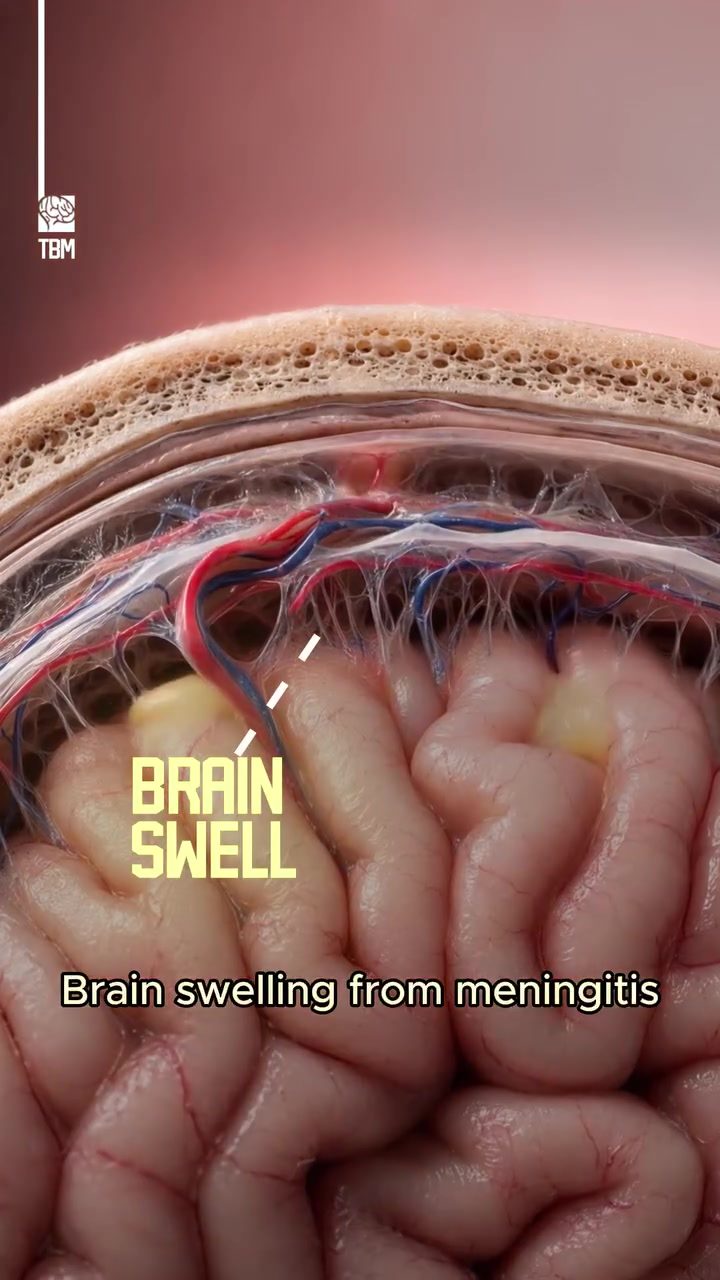
Once bacteria reach the protective lining around the brain and spinal cord, they begin to multiply rapidly. This triggers a strong immune response, leading to inflammation, swelling, and fluid buildup within the skull. The increased pressure can interfere with normal brain function, causing a range of symptoms and potentially life-threatening complications.
Symptoms of Meningitis
Recognizing the symptoms of meningitis is crucial for prompt treatment. Common symptoms include:
- Fever
- Severe headache
- Stiff neck
- Nausea
- Sensitivity to light
- Confusion
In more severe cases, meningitis can lead to seizures, hearing loss, permanent brain damage, coma, or even death. These complications underscore the importance of seeking immediate medical attention if meningitis is suspected.
Understanding the spread of meningitis
Bacterial meningitis is a medical emergency and requires urgent treatment to prevent severe complications. Fortunately, several of the most dangerous types of bacterial meningitis can be prevented through routine vaccination. This makes early treatment and prevention essential strategies for managing this condition.
How Bacteria Spread
Bacterial meningitis typically starts with bacteria entering the body through the nose or throat. From there, the bacteria can spread into the bloodstream and travel to the brain, where they begin to multiply rapidly. This rapid multiplication triggers a strong immune response, leading to inflammation, swelling, and fluid buildup within the skull.
The increased pressure inside the skull can interfere with normal brain function, causing a range of symptoms and potentially life-threatening complications. Without immediate treatment, meningitis can progress rapidly, leading to severe health issues.
Symptoms and Complications
The symptoms of bacterial meningitis can vary but often include fever, severe headache, stiff neck, nausea, sensitivity to light, and confusion. In more severe cases, meningitis can lead to seizures, hearing loss, permanent brain damage, coma, or even death. Recognizing these symptoms early is crucial for prompt treatment and better outcomes.
Meningitis Treatment and Prevention
Antibiotics and Prompt Treatment
Bacterial meningitis is often successfully treated with prompt antibiotic therapy. Early intervention is crucial because the condition can become life-threatening within hours. Prompt antibiotics can help stop the rapid multiplication of bacteria, reducing the risk of severe complications.
Vaccination
Several of the most dangerous types of bacterial meningitis are preventable through routine vaccination. Vaccines can help protect against specific bacterial strains that commonly cause meningitis, making early treatment and prevention essential strategies for managing this condition.
Practical Tips
Recognizing Symptoms
Recognizing the symptoms of meningitis is the first step in seeking prompt treatment. If you or someone else experiences a combination of fever, severe headache, stiff neck, nausea, sensitivity to light, and confusion, seek medical attention immediately.
Seeking Medical Attention
Bacterial meningitis is a medical emergency, and prompt treatment is crucial for preventing severe complications. If you suspect meningitis, do not wait for symptoms to worsen. Seek immediate medical attention for a proper diagnosis and treatment.
Vaccination
Routine vaccination is an essential preventive measure against several types of bacterial meningitis. Ensure that you and your loved ones are up-to-date with recommended vaccinations to protect against this potentially deadly condition.
Important Takeaways
- Meningitis is an inflammation of the protective lining around the brain and spinal cord, often caused by bacteria.
- Symptoms include fever, severe headache, stiff neck, nausea, sensitivity to light, and confusion.
- Prompt antibiotic treatment is crucial for managing bacterial meningitis and preventing severe complications.
- Several types of bacterial meningitis are preventable through routine vaccination.
- Recognition, early intervention, and vaccination are essential steps in managing and preventing meningitis.
Conclusion
Meningitis is a severe and potentially fatal condition that requires prompt recognition and treatment. Understanding how bacteria cause meningitis, the symptoms to watch for, and the importance of early intervention and vaccination can help save lives. By staying informed and taking proactive measures, you can help prevent the spread of meningitis and ensure timely and effective treatment if needed.
Watch the Reel
Questions readers ask
How does meningitis spread?
Meningitis can spread through close contact with an infected person, often via respiratory droplets when they cough or sneeze. Bacteria that cause meningitis can enter the body through the nose or throat, making it crucial to maintain good hygiene and avoid close contact with infected individuals.
What are the most common symptoms of meningitis?
The most common symptoms of meningitis include fever, headache, and neck stiffness. Other symptoms may include nausea, vomiting, sensitivity to light, and confusion. In infants, symptoms can also include irritability, poor feeding, and a bulging fontanelle (soft spot on the head).
Why is prompt treatment for meningitis so important?
Prompt treatment is vital because meningitis, especially the bacterial form, can lead to severe complications such as brain damage, hearing loss, or even death within hours if left untreated. Early intervention with antibiotics can help manage the infection effectively and reduce the risk of long-term effects.
What is the protective lining that meningitis affects?
The protective lining affected by meningitis is called the meninges, which are membranes that surround and protect the brain and spinal cord. When these membranes become inflamed, it can lead to the symptoms and complications associated with meningitis.
Can meningitis cause brain damage?
Yes, meningitis can cause brain damage if not treated promptly. The inflammation and swelling in the brain and spinal cord can lead to increased pressure and reduced blood flow, potentially resulting in permanent neurological damage if not addressed immediately.
What are the signs of severe meningitis?
Signs of severe meningitis include a high fever, severe headache, and intense neck stiffness. Other indicators may include altered mental status, seizures, and a rash that does not fade under pressure. These symptoms require immediate medical attention to prevent potentially fatal outcomes.
How is bacterial meningitis treated?
Bacterial meningitis is typically treated with intravenous antibiotics. The specific type of antibiotic used depends on the bacteria causing the infection. Prompt administration of antibiotics is crucial to effectively manage the infection and prevent complications. Additional supportive care may also be required, such as hydration and monitoring for complications.
Related deep dives
Similar reads based on topic and creator.


Recent articles
Fresh deep dives from the latest Reels we unpacked.




Comments
Be the first to comment.