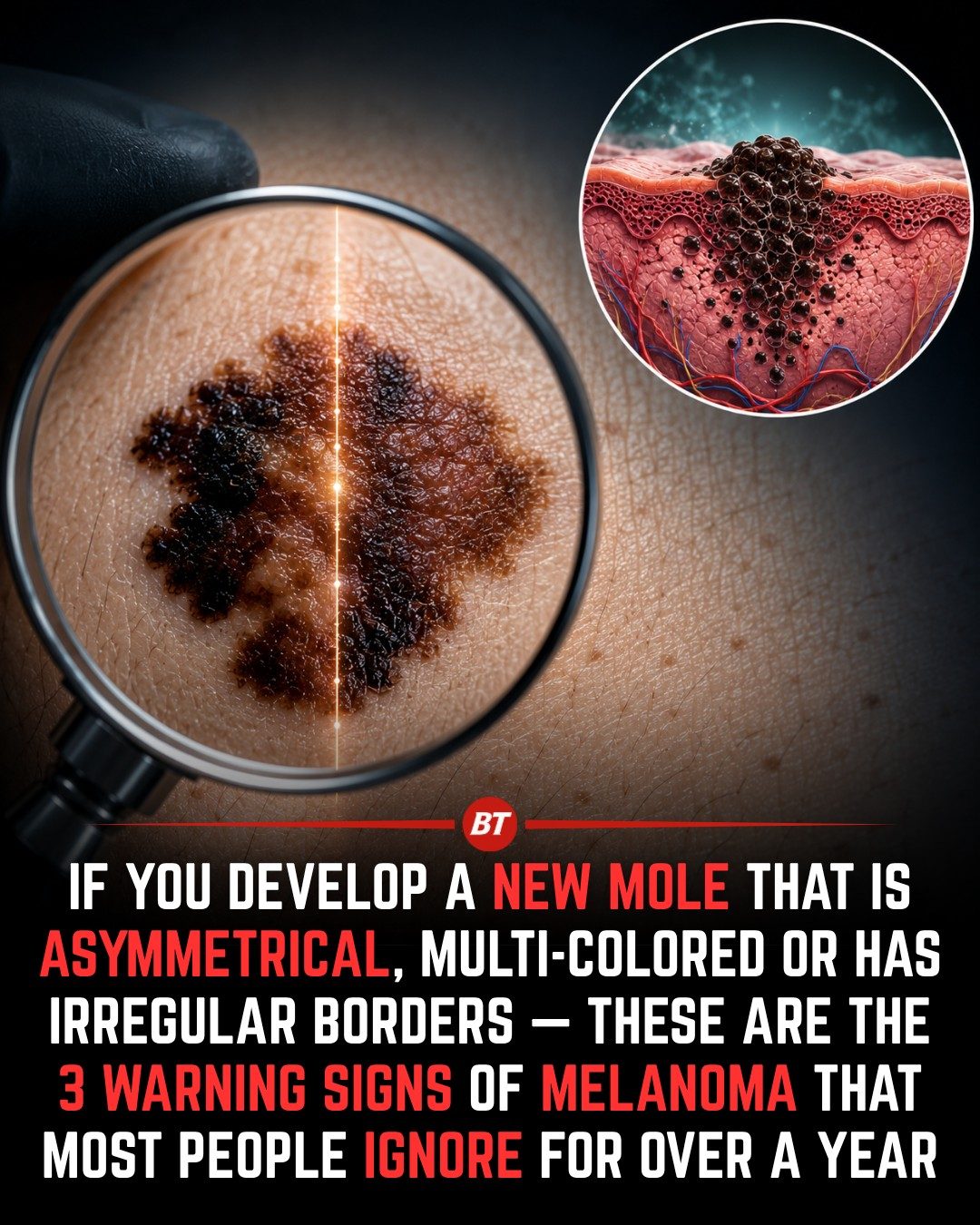
Melanoma Warning Signs
Recognizing the warning signs of melanoma is crucial for early detection and successful treatment. Melanoma, the most serious form of skin cancer, can often be identified by specific changes in moles. Understanding these changes can help you take prompt action if you notice anything unusual on your skin.
Why This Matters
Melanoma is a type of skin cancer that develops from the pigment-producing cells known as melanocytes. It is the most dangerous form of skin cancer because it can spread to other organs more rapidly if not detected early. Regular skin checks and awareness of the warning signs can significantly improve the chances of early detection and successful treatment.
Main Discussion
Understanding the ABCDE Rule
Doctors often use the ABCDE rule to help identify suspicious moles. This rule stands for:
- Asymmetry: One half of the mole does not match the other half.
- Borders: The edges of the mole are irregular, jagged, or blurred.
- Color: The mole contains different shades of brown, black, red, blue, or white.
- Diameter: The mole is larger than a pencil eraser (about 6 millimeters or ¼ inch in diameter).
- Evolving: The mole is changing in size, shape, or color.
Key Warning Signs
Asymmetry
Asymmetry in a mole means that one half does not mirror the other. This is a critical warning sign because most benign moles are symmetrical.
Irregular Borders
Irregular borders refer to moles with edges that are not smooth or even. These borders can appear jagged, blurred, or uneven. Such irregularities can indicate that the mole is growing abnormally.
Multiple Colors
A mole with multiple colors within the same lesion can be a sign of melanoma. Normal moles typically have a consistent color. If a mole contains different shades of brown, black, red, blue, or white, it requires closer examination.
Why People Often Ignore These Signs
Many people tend to overlook changes in their moles because these changes often do not cause pain, itching, or other noticeable symptoms. Unfortunately, melanoma can grow beneath the surface for a long time before it becomes painful or noticeable. This delay in detection can allow the cancer to spread, making treatment more challenging.
Practical Tips
Regular Skin Checks
Regular skin checks are one of the most effective ways to catch melanoma early. You can perform self-examinations at home by checking your skin for any new or changing moles. Use a mirror to inspect hard-to-see areas, and consider using a full-length mirror or asking a partner to help with areas you can't see.
Professional Dermatologist Visits
Schedule regular appointments with a dermatologist for professional skin examinations. Dermatologists are trained to identify early signs of melanoma and can provide guidance on any suspicious moles. Early detection dramatically improves the chances of successful treatment and reduces the likelihood of the cancer spreading.
What to Look For
When examining your skin, pay close attention to any moles that exhibit the following characteristics:
- Asymmetry
- Irregular borders
- Multiple colors
- Large size (larger than a pencil eraser)
- Changes over time
If you notice any of these characteristics in a mole, it is important to consult a dermatologist for a thorough evaluation.
Important Takeaways
- Early Detection: The earlier melanoma is detected, the higher the chances of successful treatment. Regular skin checks and awareness of warning signs are crucial.
- ABCDE Rule: Use the ABCDE rule to identify suspicious moles.
- Common Signs: Asymmetry, irregular borders, and multiple colors are key warning signs.
- Seek Professional Help: If you notice any changes in your moles, consult a dermatologist promptly.
Conclusion
Melanoma is a serious form of skin cancer, but early detection significantly improves the chances of successful treatment. By recognizing the warning signs and performing regular skin checks, you can take proactive steps to protect your skin health. Pay close attention to new or changing moles, and do not ignore any suspicious characteristics. Regular visits to a dermatologist can provide an additional layer of protection.
Watch the Reel
Questions readers ask
What does the 'ABCDE' rule stand for in the context of melanoma?
The 'ABCDE' rule is a useful guide for identifying potential signs of melanoma. 'A' stands for asymmetry—one half of the mole does not match the other. 'B' is for border irregularity, 'C' for changes in color, 'D' for diameter—moles larger than 6mm, and 'E' for evolving—the mole looks different from the rest or is changing in size, shape, or color. It is important to pay attention to any mole that exhibits these characteristics.
How often should I perform skin checks to spot melanoma early?
Regular skin checks are crucial for early detection. It is recommended to perform a thorough skin check once a month. Additionally, schedule an annual skin check with a healthcare provider. During these checks, examine your entire body, including areas that are not typically exposed to the sun, such as the scalp, palms, and soles of the feet. Use a mirror or ask a partner to help with hard-to-see areas.
What are some of the most common melanoma signs to watch for?
Common melanoma signs include new moles, changes in existing moles, or any unusual growths on the skin. These changes can manifest as irregular borders, multiple colors within a single mole, or a mole that is larger than 6mm in diameter. Any mole that itches, bleeds, or causes pain should also be examined by a healthcare professional.
Can melanoma appear on parts of the body not typically exposed to the sun?
Yes, melanoma can develop on any part of the body, including areas that are not typically exposed to the sun. This includes the soles of the feet, palms of the hands, and even the scalp. It is important to examine these areas during your skin checks to ensure that no signs of melanoma are overlooked.
What should I do if I notice a mole that has changed over time?
If you notice a mole that has changed in size, shape, or color, or if it exhibits any of the ABCDE characteristics, it is essential to make an appointment with a healthcare provider. Early detection of melanoma significantly improves treatment outcomes. Your healthcare provider will be able to examine the mole and determine if a biopsy is necessary.
Are there any other key warning signs of melanoma besides the ABCDE rule?
In addition to the ABCDE rule, other key warning signs of melanoma include the development of a new mole after the age of 25, a mole that bleeds or oozes, and a mole that becomes itchy, tender, or painful. If you notice any of these signs, it is important to consult with a healthcare professional for a thorough examination.
How does early detection improve outcomes for those with melanoma?
Early detection of melanoma allows for more effective treatment options and significantly reduces the risk of the cancer spreading to other parts of the body. When melanoma is detected early, it is often treated successfully with surgical removal of the affected area. Regular skin checks and prompt action when noticing unusual changes in moles can potentially save lives.
Related deep dives
Similar reads based on topic and creator.




Recent articles
Fresh deep dives from the latest Reels we unpacked.




Comments
Be the first to comment.