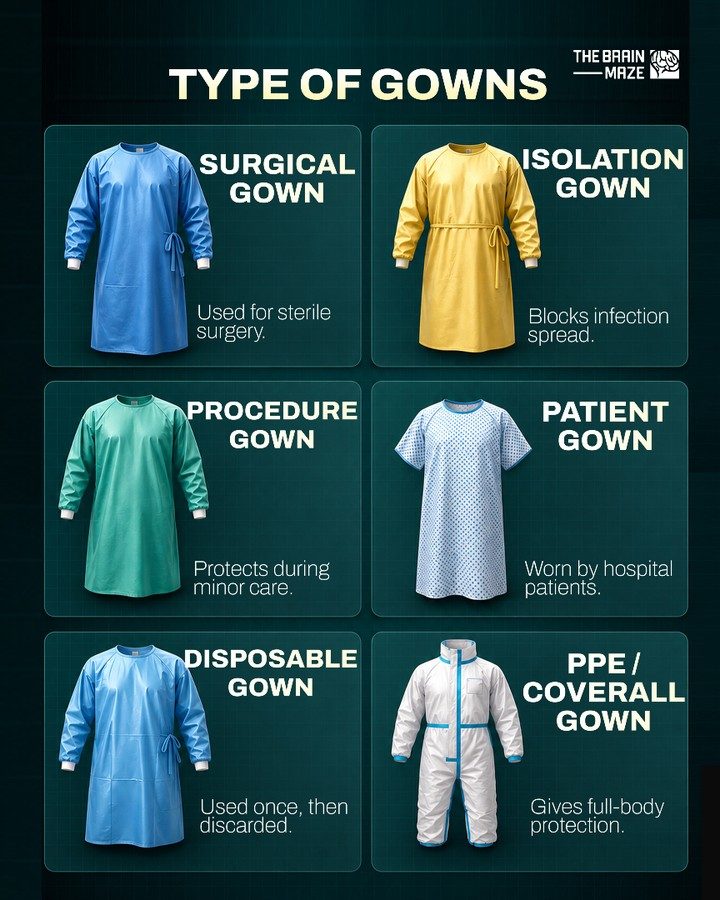
Types of Gowns
Medical gowns are essential for maintaining hygiene and preventing contamination in healthcare settings. They come in various types, each designed for specific purposes and protective qualities. Understanding the different types of gowns can help ensure the right protective wear is used in different medical scenarios.
Why Different Types of Gowns Matter
Infection control and patient safety are paramount in medical environments. The right gown can help prevent the spread of infections, protect healthcare workers, and maintain a clean and safe environment for patients. Knowing the differences between types of gowns helps healthcare professionals choose the best option for each situation.
Main Discussion
Surgical Gowns
Surgical gowns are designed for sterile surgeries. They are typically made from non-woven materials that provide a barrier against fluids and bacteria. These gowns are crucial during operations where sterility is paramount. They cover the abdominal area, arms, and hands, and sometimes extend to the entire body. The gowns come with varying levels of fluid resistance. Those who are wearing them should be aware that they are designed to protect the patient from the healthcare worker, providing a final barrier between the wearer and the patient.
Isolation Gowns
Isolation gowns are used to block the spread of infections. They are often worn in isolation rooms or when caring for patients with contagious diseases. These gowns provide a protective barrier to prevent the wearer from contaminating the patient or the environment and vice versa, often coming in various levels of protection. They are typically used for short-term procedures.
Procedure Gowns
Procedure gowns are used for routine care and minor procedures. They offer a level of protection but are not as robust as surgical or isolation gowns. Procedure gowns are often used during examinations, minor surgeries, and other low-risk procedures. These gowns are designed to be comfortable and provide adequate protection against potential hazards.
Patient Gowns
Patient gowns are worn by hospital patients. They are designed for comfort and easy access for medical examinations. These gowns are typically made from soft, breathable materials and often feature ties or snaps for easy removal. Patient gowns prioritize comfort over protection, ensuring patients feel at ease during their stay.
Disposable Gowns
Disposable gowns are used once and then discarded. They are ideal for single-use protection in various medical settings. These gowns are convenient for situations where contamination is a concern, such as during minor procedures or when visiting isolation rooms. Disposable gowns are designed to be both affordable and efficient.
PPE Coveralls
PPE coveralls provide full-body protection in high-risk settings. These gowns cover the entire body, including the head and feet, and are often used in situations where there is a high risk of contamination. PPE coveralls are essential for healthcare workers dealing with highly infectious diseases or hazardous materials. These gowns are typically made from durable, fluid-resistant materials that provide comprehensive protection.
Practical Tips
Choosing the Right Gown
- Assess the Risk Level: Determine the level of protection needed based on the procedure or patient condition. Higher-risk situations require more protective gowns, like isolation or PPE coveralls.
- Consider Comfort: Ensure the gown is comfortable for the wearer, especially for long procedures. Patient gowns, for example, prioritize comfort over protection.
- Check for Fluid Resistance: Look for gowns with the appropriate level of fluid resistance. This is especially important for surgical and isolation gowns.
- Follow Hospital Protocols: Adhere to your hospital’s guidelines for gown usage. Different hospitals may have specific protocols for gown selection and use.
Proper Gown Disposal
- Disposable Gowns: Always discard disposable gowns after use. Proper disposal helps prevent cross-contamination from used gowns.
- Laundering: For reusable gowns, follow manufacturer instructions for laundering. This ensures the gown remains clean and effective.
Ensuring Proper Fit
- Measure Properly: Ensure the gown fits well. A well-fitting gown provides better protection and comfort.
- Adjust as Needed: Make any necessary adjustments to ensure the gown fits securely and does not become a hindrance during procedures.
Important Takeaways
- Surgical Gowns are essential for sterility during operations.
- Isolation Gowns are crucial for blocking the spread of infections in high-risk settings.
- Procedure Gowns offer adequate protection for minor procedures and examinations.
- Patient Gowns prioritize comfort and easy access for medical examinations.
- Disposable Gowns provide single-use protection, ideal for situations where contamination is a concern.
- PPE Coveralls offer full-body protection in high-risk settings.
- Always choose the right gown based on the specific needs and risks of the situation.
- Proper disposal and laundering of gowns are crucial for maintaining a clean and safe environment.
Conclusion
Medical gowns play a vital role in maintaining hygiene and preventing contamination in healthcare settings. Understanding the different types of gowns and their specific uses is essential for healthcare professionals. By choosing the right gown based on the situation, you can ensure the safety and comfort of both patients and healthcare workers.
Watch the Reel
Questions readers ask
What are the key differences between surgical, isolation, and procedure gowns?
Surgical gowns are designed for sterile procedures and provide the highest level of protection, including waterproof barriers to prevent fluid penetration. Isolation gowns offer a lower level of protection and are typically used for non-hazardous tasks. Procedure gowns are designed for brief, non-surgical procedures and prevent only minimal to low levels of fluid penetration, making them ideal for routine patient care and exams.
When should disposable medical gowns be used?
Disposable medical gowns should be used for single-patient, single-use scenarios and then discarded. This includes situations where there is a risk of exposure to bodily fluids, blood, or other potentially infectious materials. They are ideal for maintaining infection control and ensuring patient and healthcare worker safety.
What are the protective qualities of full body medical gowns for patients?
Full body medical gowns provide comprehensive protection by covering the entire body. This is particularly useful for patients undergoing treatment for severe infections or those at risk of contamination. These gowns are designed to prevent the spread of pathogens and protect patients from external contaminants, making them suitable for intensive care units, burn units, and other specialized settings.
How do isolation gowns contribute to infection control?
Isolation gowns contribute to infection control by providing a barrier between the wearer and potential contaminants. They are designed to protect against minimal to moderate levels of fluid penetration, making them suitable for general patient care, routine examinations, and non-hazardous tasks. Regular use of isolation gowns can help reduce the spread of infections within healthcare facilities.
What are the benefits of using patient care gowns in different medical settings?
Patient care gowns, such as procedure gowns, offer comfort and convenience without compromising on infection control. They are ideal for quick and non-invasive procedures, and for monitoring patients in non-surgical environments. They help maintain hygiene and reduce the risk of cross-contamination, making them a versatile choice for various medical settings, from outpatient clinics to hospital wards.
Recent articles
Fresh deep dives from the latest Reels we unpacked.




Comments
Be the first to comment.