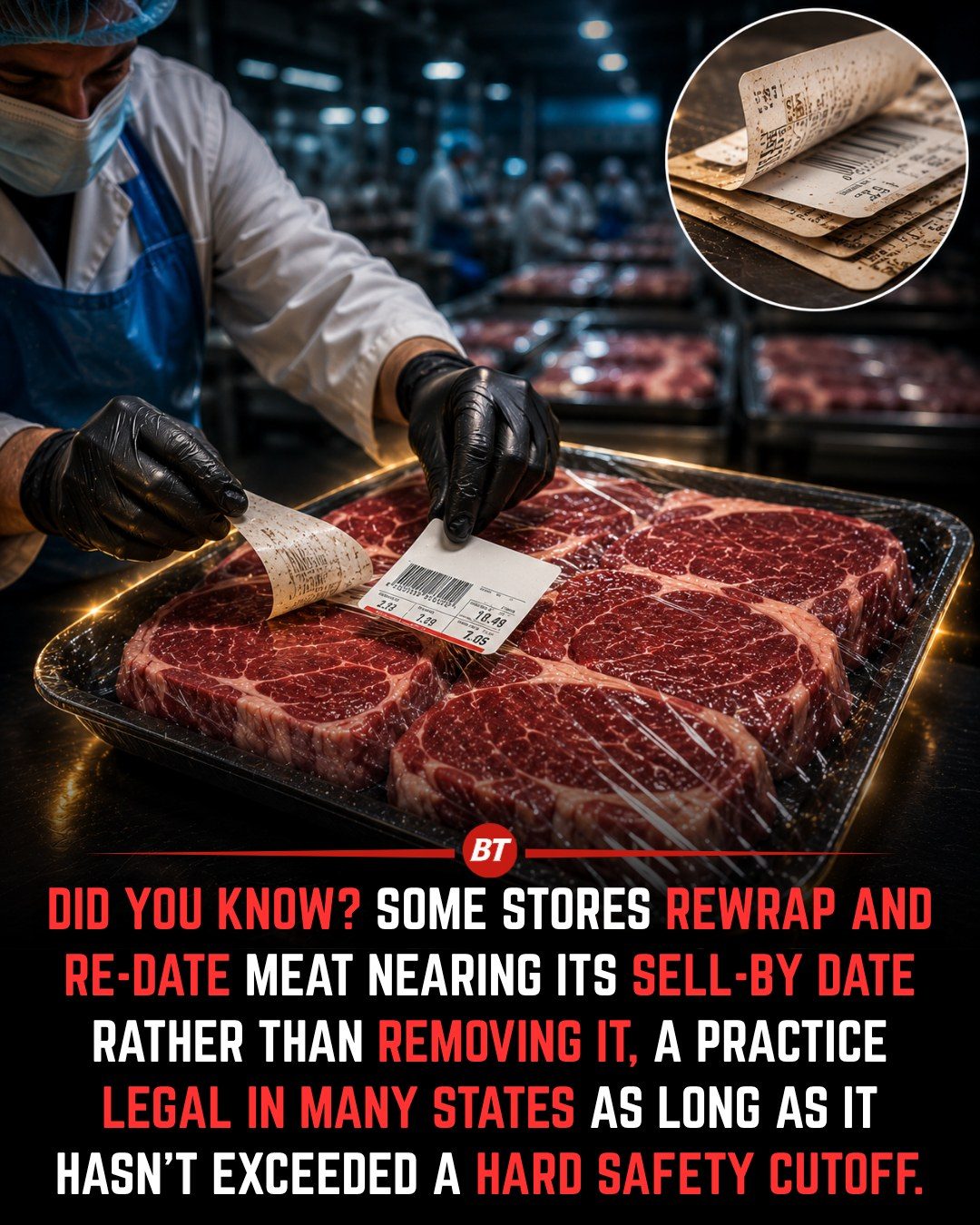
Meat Rewrapping: What You Need to Know
Understanding how grocery stores manage meat products is crucial for making informed purchasing decisions. Meat rewrapping and re-labeling are common practices in the food industry, but how do these processes work, and what should consumers know? The sell-by date on a package of meat isn’t always the original packaging date. In many grocery stores, meat may be repackaged and relabeled before the original sell-by date, provided the process adheres to local food safety regulations. The rewrapping and re-dating of meat products that are nearing their sell-by date is a legal practice in many states, as long as it doesn't exceed hard safety cutoffs. This article delves into the intricacies of meat rewrapping, its legality, and how consumers can ensure they are purchasing safe and high-quality meat.
Context / Why This Matters
The practice of rewrapping and re-dating meat is more than just a cost-saving measure for grocery stores. It ensures that products are fresh and safe for consumption. Meat can be safely repackaged as long as it hasn't exceeded a certain safety cutoff. This practice is regulated by food safety authorities to ensure that meat remains safe for consumers, even after being repackaged. The sell-by date is primarily an inventory management tool for stores, helping them rotate stock. It is not the same as an expiration date, and many properly refrigerated meats remain safe to cook for a short time after the sell-by date, depending on the product and storage conditions.
Main Discussion
Understanding Meat Rewrapping
Meat rewrapping involves taking raw meat that is nearing its sell-by date and placing it in a new package with an updated sell-by date. This process is legal and can help reduce food waste. Grocery stores often cut or portion meat in-house before placing it into new trays and applying their own labels. In some cases, retailers may also repackage products that remain within food safety limits, assigning a new display or sell-by date based on company policies and applicable regulations. These practices ensure that the meat remains fresh and safe for consumers.
Legal and Regulatory Framework
The legality of meat rewrapping depends on local regulations and food safety standards. Many states allow this practice as long as the meat hasn't exceeded a hard safety cutoff. Food safety authorities closely regulate this process to ensure that consumers are protected. Retailers must follow strict guidelines when rewrapping and re-dating meat, including proper refrigeration, handling, and labeling. This ensures that the meat is safe to eat and meets all food safety standards.
Consumer Considerations
When buying fresh meat, it's essential to look beyond the date label. Here are some tips to ensure you are purchasing safe and high-quality meat:
- Check the Appearance: Meat with swollen packaging, a sour odor, excessive slime, or signs of spoilage should always be discarded regardless of the label.
- Touch the Package: Choose packages that are cold to the touch, as this indicates proper refrigeration.
- Inspect the Seals: Ensure the packaging is tightly sealed and free of excess liquid, as these can be signs of spoilage.
- Storage Conditions: Make sure the meat is displayed in a properly refrigerated case to maintain freshness.
If you won't cook the meat within a day or two, freezing it promptly can help preserve quality and safety. This is a practical way to extend the shelf life of meat and ensure it remains safe to eat.
Practical Tips for Buying Meat
Here are some practical tips to help you make informed decisions when buying meat:
Inspect the Packaging
Always check the packaging for any signs of tampering or damage. Look for tightly sealed packages that are free of excess liquid, as this can indicate spoilage. Additionally, ensure the packaging is cold to the touch, as this indicates proper refrigeration.
Look Beyond the Date Label
The sell-by date is primarily for inventory management and does not always indicate when the meat was originally packaged. Instead, focus on the meat's appearance, smell, and packaging. Meat with swollen packaging, a sour odor, excessive slime, or signs of spoilage should always be discarded, regardless of the label.
Store Meat Properly
If you won’t cook the meat within a day or two, freezing it promptly can help preserve quality and safety. This is a practical way to extend the shelf life of meat and ensure it remains safe to eat.
Important Takeaways
- The sell-by date on meat packaging is primarily for inventory management and does not always indicate when the meat was originally packaged.
- Meat rewrapping and re-dating are legal practices in many states, as long as the meat hasn't exceeded a hard safety cutoff.
- Retailers must follow strict guidelines when rewrapping and re-dating meat, including proper refrigeration, handling, and labeling.
- Consumers should pay attention to the meat's appearance, smell, packaging, and refrigeration, rather than relying solely on the printed date.
- Look beyond the date label when buying fresh meat and choose packages that are cold to the touch, tightly sealed, and free of excess liquid.
Conclusion
Understanding meat rewrapping and re-dating practices is essential for making informed purchasing decisions. By following the tips and guidelines outlined in this article, you can ensure that you are buying safe and high-quality meat. Always inspect the packaging, look beyond the date label, and pay attention to the meat’s appearance and smell. With proper handling and storage, meat can remain safe to eat for a short time after the sell-by date, depending on the product and storage conditions.
Watch the Reel
Questions readers ask
Why do grocery stores repackage and relabel meat?
Grocery stores repackage and relabel meat primarily to extend its shelf life and reduce food waste. When meat nears its original sell-by date, stores may repackage it to maintain quality and safety, then apply a new sell-by date.
Is it safe to buy meat that has been repackaged by the store?
Yes, it is generally safe to buy meat that has been repackaged by the store, provided the store follows proper food safety regulations. These regulations ensure that the meat is handled and stored correctly to minimize the risk of contamination and spoilage.
How can I tell if meat has been repackaged?
Meat that has been repackaged may show slight differences in packaging or labeling. Look for signs such as new or different barcodes, slightly altered packaging materials, or a new sell-by date that differs from the expected one.
What does the sell-by date on meat actually mean?
The sell-by date on meat indicates the last day the store should sell the product to ensure consumers have enough time to use it at home before it spoils. It's not necessarily the date the meat was originally packaged; it could be a new date applied after repackaging.
How do stores determine the new sell-by date after repackaging meat?
Stores determine the new sell-by date based on the current quality of the meat and its expected shelf life. This is done in accordance with local food safety guidelines, ensuring that the meat remains safe for consumption within the new timeframe.
What regulations govern meat repackaging in stores?
Meat repackaging in stores is governed by local and federal food safety regulations. These regulations outline proper handling, storage, and labeling practices to ensure that repackaged meat remains safe for consumers. The U.S. Department of Agriculture (USDA) and the Food and Drug Administration (FDA) are key agencies involved in these regulations.
How does meat rewrapping help in reducing food waste?
Meat rewrapping helps reduce food waste by extending the usable life of products that might otherwise be discarded. By repackaging and relabeling meat, stores can sell products that are still safe to consume, thereby decreasing the amount of meat that goes to waste.
Related deep dives
Similar reads based on topic and creator.




Recent articles
Fresh deep dives from the latest Reels we unpacked.




Comments
Be the first to comment.