Measles Resurgence in the United States
The United States is experiencing an alarming resurgence of measles, with cases reported across nearly every state. The outbreak, which has infected thousands of people, highlights significant concerns about declining vaccination rates and the virus's high contagiousness. Measles can linger in the air for up to two hours, and a single infected individual can transmit the virus to 12–18 unvaccinated people. Given the severity of the situation, it is essential to understand the current landscape of measles in the U.S. and the steps being taken to combat the outbreak.
Why This Matters
The resurgence of measles in the U.S. is a critical public health issue for several reasons. Measles is one of the most contagious viruses known, and its rapid spread can overwhelm healthcare systems. The outbreak underscores the importance of vaccination in preventing the spread of infectious diseases. Furthermore, measles can cause severe complications, especially in young children and immunocompromised individuals, making it a significant public health concern.
The Current Landscape of Measles in the United States
Spread Across Nearly Every State
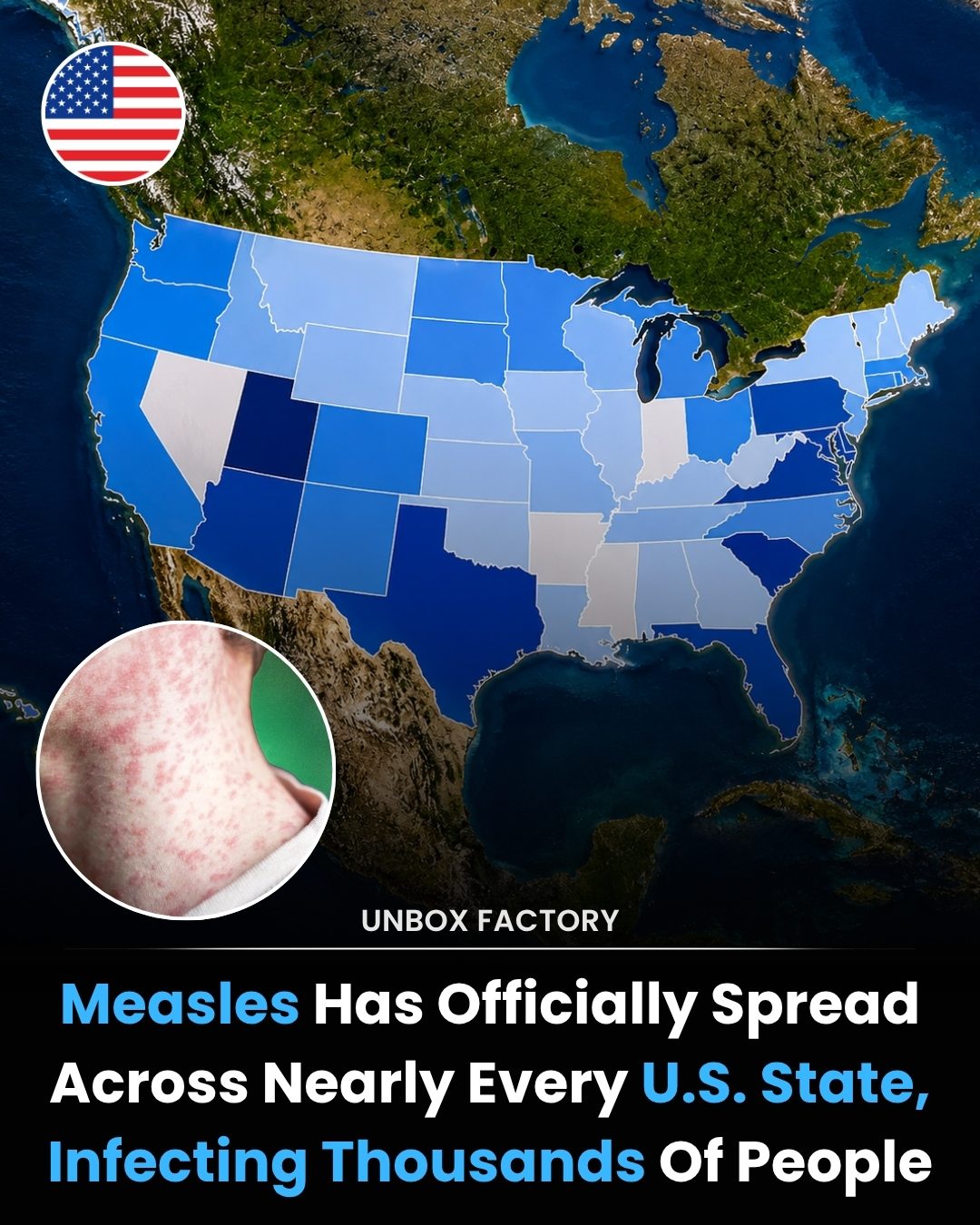
The measles outbreak has spread to nearly every U.S. state, making it one of the largest resurgences in decades. Public health officials have identified communities with low immunization coverage as hotspots for the virus's spread. These areas often have pockets of unvaccinated individuals, providing fertile ground for the virus to thrive. The map highlighting the affected states serves as a stark reminder of the virus's reach and the urgent need for intervention.
Declining Vaccination Rates
Declining vaccination rates have played a significant role in the measles resurgence. Communities with low immunization coverage are particularly vulnerable to outbreaks. The MMR (measles, mumps, and rubella) vaccine has been a cornerstone of measles prevention, with two doses providing about 97% effectiveness against the virus. However, misinformation and vaccine hesitancy have led to a decrease in vaccination rates, allowing the virus to spread more easily.
Impact on Communities
The impact of the measles outbreak extends beyond the infected individuals. Schools, healthcare facilities, and public spaces can become hotspots for the virus, leading to disruptions and closures. The ripple effects of the outbreak can strain local resources and disrupt daily life, making it essential to understand the broader implications of the resurgence. The close-up image of a rash emphasizes the severity of the disease and the importance of taking preventative measures.
Practical Tips for Protection and Prevention
Get Vaccinated
The most effective way to protect against measles is through vaccination. The MMR vaccine, given in two doses, provides robust immunity against the virus. It is crucial to ensure that children and adults are up-to-date on their vaccinations to prevent the spread of measles in communities.
Stay Informed
Staying informed about the current vaccination rates in your community can help you understand the level of risk. Public health agencies provide regular updates on vaccination coverage and outbreaks, making it easier to stay aware and prepared.
Practice Good Hygiene
Basic hygiene practices, such as frequent handwashing and covering your mouth when coughing or sneezing, can help prevent the spread of measles. It is essential to maintain good hygiene habits, especially during outbreaks.
Important Takeaways
Vaccination Is Key
Vaccination remains the most effective protection against measles and its complications. Ensuring high vaccination rates in communities can help prevent outbreaks and protect those who are most vulnerable.
Community Efforts
Community efforts to raise awareness and address vaccine hesitancy can play a crucial role in controlling the outbreak. Public health campaigns, educational initiatives, and community outreach programs can help increase vaccination rates and reduce the spread of measles.
Ongoing Monitoring
Ongoing monitoring and surveillance are essential for tracking the spread of measles and identifying hotspots. Public health agencies, along with community organizations, can work together to monitor and respond to outbreaks effectively.
Conclusion
The measles resurgence in the United States is a significant public health concern that requires immediate attention. Declining vaccination rates and the virus's high contagiousness have contributed to the outbreak, infecting thousands of people across nearly every state. By understanding the current landscape, taking practical steps to protect ourselves and our communities, and supporting ongoing efforts to combat the outbreak, we can help control the spread of measles and prevent further complications.
Watch the Reel
Questions readers ask
What states have been most affected by the measles outbreak in the U.S.?
Nearly every state in the U.S. has reported measles cases. The outbreak has been particularly notable in states with declining vaccination rates or regions with close-knit communities where the virus can spread rapidly. For the most current and specific information, refer to the latest reports from the Centers for Disease Control and Prevention (CDC).
How does the measles virus spread so quickly?
Measles is highly contagious and can spread through the air. The virus can remain in the air for up to two hours after an infected person has left an area, and an infected person can transmit the virus to 12–18 unvaccinated individuals. This makes it one of the most easily transmissible diseases, especially in crowded or poorly ventilated spaces.
What are the CDC guidelines for measles prevention?
The CDC recommends that individuals get the measles, mumps, and rubella (MMR) vaccine. This vaccine is typically given in two doses, with the first dose at 12–15 months of age and the second dose at 4–6 years of age. The CDC also advises that people traveling abroad or in high-risk settings should ensure they are up-to-date on their vaccinations to protect against measles.
Why is vaccination important in preventing measles outbreaks?
Vaccination is crucial in preventing measles outbreaks because it builds immunity in individuals and reduces the likelihood of transmission. The more people who are vaccinated, the less opportunity the virus has to spread, protecting both vaccinated and unvaccinated individuals, including those who cannot be vaccinated due to medical reasons.
What precautions should I take if I suspect someone has measles?
If you suspect someone has measles, it is essential to avoid close contact and contact your healthcare provider immediately. The CDC advises isolating the infected individual to prevent the spread. If you are unvaccinated and exposed to measles, a post-exposure vaccination or immunoglobulin treatment may be recommended by a healthcare professional.
What are the symptoms of measles, and when do they typically appear?
Measles symptoms often include high fever, cough, runny nose, and red, watery eyes, followed by a distinctive rash. These symptoms typically appear 10–14 days after exposure to the virus. If you experience these symptoms, especially after potential exposure to measles, seek medical attention promptly.
How long does immunity from the measles vaccine last?
Immunity from the measles vaccine is typically long-lasting. A single dose provides about 93% immunity, while two doses provide around 97% or more. This high level of immunity means that most people who receive the vaccine will be protected for life, making vaccination an effective strategy in combating measles outbreaks.
Related deep dives
Similar reads based on topic and creator.




Recent articles
Fresh deep dives from the latest Reels we unpacked.

Comments
Be the first to comment.