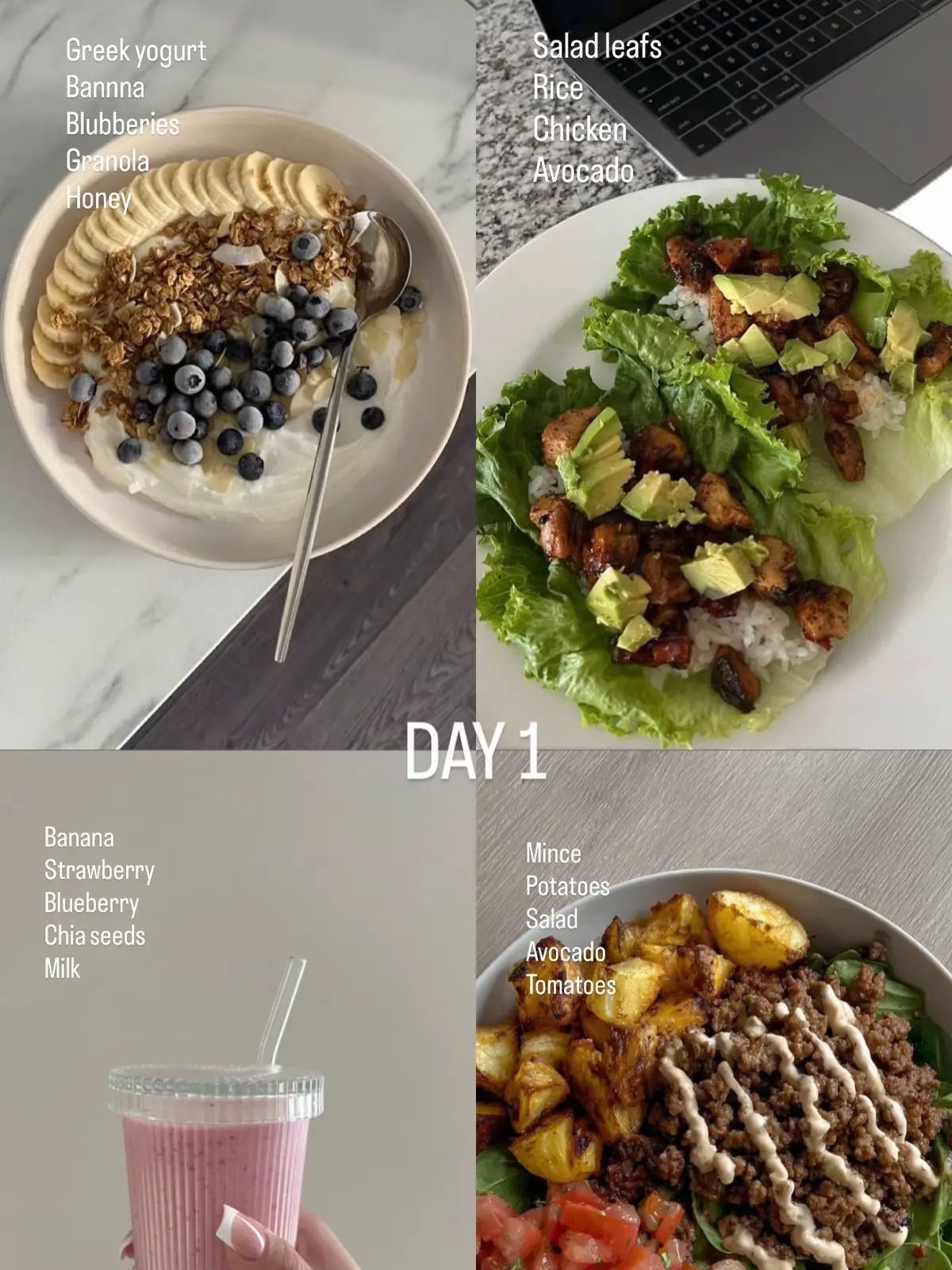
Meal Prep for a Balanced Nutrition Lifestyle
Meal prep is a powerful strategy for maintaining a balanced and nutritious diet. It involves planning and preparing meals in advance, ensuring that you have healthy options readily available throughout the week. This approach can help you stay on track with your nutritional goals, save time, and reduce food waste. Proper meal prep focuses on incorporating a variety of nutritious ingredients, balancing macronutrients, and ensuring portion control.
Why This Matters
In today's fast-paced world, finding the time and energy to cook healthy meals every day can be challenging. Meal prep offers a solution by allowing you to dedicate a few hours each week to preparing multiple meals at once. This not only saves time but also helps you make healthier choices. By having pre-portioned meals ready to go, you can avoid the temptation of unhealthy snacks or fast food. Additionally, meal prep can support fitness goals by ensuring that you consume the right nutrients to fuel your workouts and recovery.
Key Components of Effective Meal Prep
Balancing Macronutrients
Macronutrients—protein, carbohydrates, and fats—are essential for a balanced diet. Incorporating all three in each meal helps maintain energy levels, supports muscle growth and repair, and promotes overall health.
Protein:
- Protein is crucial for muscle repair and growth. Including a source of protein in every meal helps keep you full and satisfied.
- Good protein sources include lean meats, fish, eggs, tofu, and legumes.
Carbohydrates:
- Carbohydrates provide the body with energy. Opt for complex carbohydrates like whole grains, fruits, and vegetables, which offer sustained energy and fiber.
- Simple carbohydrates, found in processed foods and sugary snacks, should be limited as they can lead to energy crashes and weight gain.
Healthy Fats:
- Healthy fats are essential for hormone regulation, nutrient absorption, and brain function. They also help you feel full and satisfied.
- Include sources like avocados, nuts, seeds, and olive oil in your meals.
Variety and Sustainability
Variety is key to maintaining interest and ensuring a wide range of nutrients. Each day, the meals include different combinations of ingredients, such as yogurt, fruits, vegetables, meats, and grains. This variety not only keeps meals exciting but also ensures a balanced intake of vitamins and minerals.
Practical Tips for Successful Meal Prep
Plan Ahead:
- Start by planning your meals for the week. Consider your nutritional needs, workouts, and any dietary restrictions.
- Make a grocery list based on your meal plan to ensure you have all the necessary ingredients.
Prep in Bulk:
- Dedicate one or two days a week to prep your meals. Cook proteins, grains, and vegetables in large batches to save time during the week.
- Store meals in airtight containers and refrigerate or freeze them as needed.
Portion Control:
- Use portion control to manage calorie intake and avoid overeating. Pre-measure and pre-portion your meals to stay on track with your nutritional goals.
- Pay attention to your daily calorie targets and macronutrient ratios to ensure you're meeting your fitness and health objectives.
Stay Organized:
- Keep your kitchen organized with clearly labeled containers and a dedicated space for meal prep ingredients.
- Use a meal planner or app to track your progress and stay motivated.
Choosing Nutritious Ingredients
Ingredients play a crucial role in the nutritional value of your meals. Opt for whole, nutrient-dense foods that provide a balanced mix of macronutrients and micronutrients.
Protein:
- Including Greek yogurt, cottage cheese, tuna, and mince in your meals provides a good source of protein.
Carbohydrates:
- Whole grains like brown rice and quinoa, along with fruits, and vegetables offer complex carbohydrates that keep you energized.
Fats:
- Healthy fats from avocados, chia seeds, and nuts help with satiety and overall health.
Important Takeaways
Meal prep is a practical and effective way to maintain a balanced and nutritious diet. By planning and preparing meals in advance, you can save time, reduce stress, and make healthier food choices. Focus on incorporating a variety of nutritious ingredients, balancing macronutrients, and ensuring portion control to support your fitness and health goals. Don't forget to track your progress and stay motivated by using tools like apps and meal planners.
Conclusion
Meal prep is a versatile and efficient strategy for maintaining a balanced and nutritious diet. By planning and preparing meals in advance, you can save time, stay on track with your nutritional goals, and enjoy a variety of healthy options. Incorporating a balanced mix of protein, carbohydrates, and healthy fats into your meals will support your energy levels, muscle growth, and overall health. Use practical tips and tools to streamline your meal prep process and make it a sustainable part of your lifestyle.
Watch the Reel
Questions readers ask
How does meal prep support fitness goals?
Meal prep supports fitness goals by ensuring you have balanced, nutritious meals ready to consume. This helps maintain the right caloric intake and macronutrient balance, which is crucial for supporting workouts, building muscle, and aiding recovery.
What are some essential components of a balanced meal prep plan?
A balanced meal prep plan should include a mix of lean proteins, whole grains, healthy fats, and plenty of fruits and vegetables. It's also important to consider portion sizes and tailor meals to fit your specific nutritional needs and fitness goals.
Can meal prep help with weight loss?
Yes, meal prep can be a powerful tool for weight loss. By planning and preparing meals in advance, you can control portion sizes, avoid impulsive food choices, and ensure that you're consuming a balanced diet that supports your weight loss goals.
How do carbohydrates play a role in meal prep for workouts?
Carbohydrates are vital for fueling workouts and aiding recovery. Incorporating complex carbohydrates like whole grains, sweet potatoes, and brown rice into your meal prep plan can provide sustained energy for workouts and help replenish glycogen stores post-exercise.
How often should I meal prep for optimal results?
The frequency of meal prep depends on your lifestyle and schedule. Some people prefer to meal prep once a week, while others find it more manageable to prep meals every few days. Consistency is key, so choose a schedule that works best for you and stick with it.
What are some protein-rich meal prep ideas for muscle building?
For muscle building, include lean protein sources like grilled chicken, turkey, fish, tofu, and beans in your meal prep. Pair these with complex carbohydrates and healthy fats to create balanced meals that support muscle growth and repair.
How can meal prep help maintain energy levels throughout the day?
Meal prep can help maintain energy levels by ensuring you have balanced meals ready to consume. Include a mix of protein, healthy fats, and complex carbohydrates in your prepped meals to provide sustained energy and prevent energy crashes.
Recent articles
Fresh deep dives from the latest Reels we unpacked.




Comments
Be the first to comment.