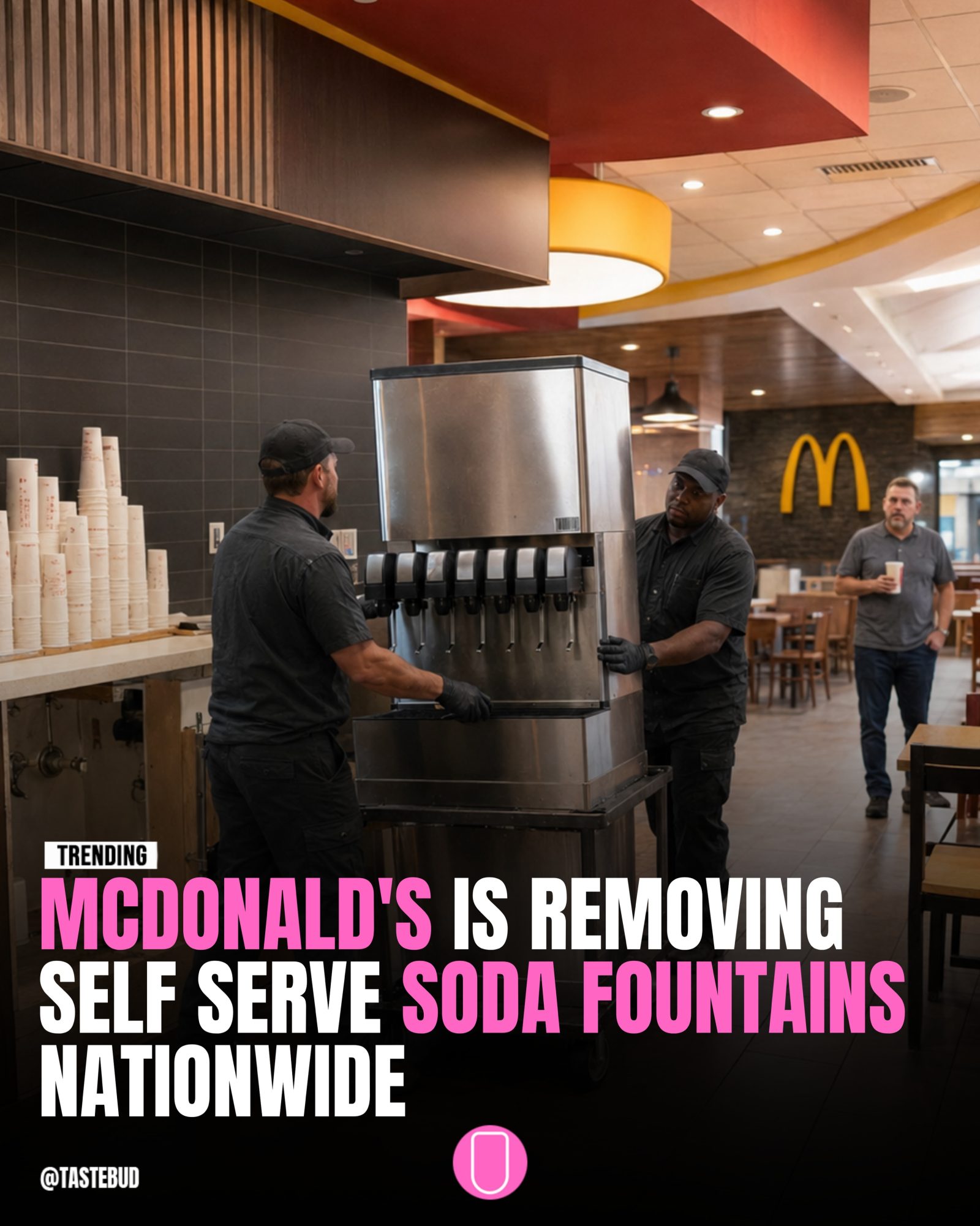
Is McDonald's Phasing Out Self-Serve Soda Fountains?
The news that McDonald's is reportedly planning to phase out self-serve soda fountains has sparked a lot of conversation among fast-food enthusiasts. This shift is part of a broader movement toward increasing drive-thru, delivery, and takeout options, as well as streamlining operations behind the counter. If you're wondering what this change means for you and how it fits into the future of fast-food dining, read on.
Why This Matters
The change from self-serve to employee-served drinks is not just about soda; it reflects a larger trend in the fast-food industry. As consumer preferences and operational efficiencies evolve, companies like McDonald's are adapting their strategies to better serve customers and reduce costs. Understanding this transition can give you insights into what to expect the next time you visit a fast-food restaurant and how it aligns with current dining trends.
What’s Changing and Why
The Shift from Self-Serve to Employee-Served
One of the most noticeable changes in recent years has been the move from self-serve options to employee-assisted or fully-employee-served models. McDonald's is planning to phase out self-serve soda fountains over time. Future locations may switch to this new system, which could significantly alter the dining experience for customers. Employees will now be responsible for pouring drinks, ensuring consistency and potentially reducing waste.
Operational and Cost Efficiency
The change to employee-served drinks could reduce maintenance and streamline operations for fast-food restaurants. Traditional self-serve soda fountains require regular cleaning, maintenance, and can sometimes lead to customer dissatisfaction when they don't work as intended. By moving to an employee-served model, restaurants can cut down on these maintenance costs and ensure a more consistent product. Employees can also monitor portion sizes more closely, potentially reducing waste and increasing efficiency.
The Impact on Customer Experience
For many long-time customers, the self-serve soda fountain is a nostalgic part of the McDonald's experience. It represents a sense of autonomy and control over your order, which is a significant draw for many. However, this transition isn't just about nostalgia; it's also about adapting to modern dining preferences. Today's consumers value convenience and speed, especially in the context of drive-thru, delivery, and takeout options. By switching to employee-served drinks, McDonald's can better align with these preferences, making the dining experience more seamless.
Practical Tips for Navigating the Change
How to Order Drinks in the New System
Even if you're used to the self-serve model, switching to an employee-served system can be a breeze. When ordering, simply specify your drink of choice and any customizations you'd like. Employees will handle the rest, ensuring that your drink is prepared to your liking. This can lead to fewer spills and more consistent beverage quality.
The Benefits of Employee-Served Drinks
Employee-served drinks offer several advantages. One of the most significant is the ability to ensure consistent quality. Employees are trained to prepare drinks to a high standard, reducing the risk of spills and ensuring that your drink is made exactly as you ordered it. Additionally, this system can lead to faster service, as employees can quickly fulfill drink orders while you wait, especially in drive-thru or takeout scenarios.
Important Takeaways
The move from self-serve to employee-served drinks at McDonald's is part of a broader operational shift that prioritizes efficiency, speed, and customer satisfaction. This change aligns with the growing trend toward drive-thru, delivery, and takeout options, which are becoming increasingly popular. While it may mark the end of a classic fast-food experience for some, the transition offers several benefits, including reduced maintenance, better portion control, and faster service. By understanding these changes, you can better navigate the evolving landscape of fast-food dining.
Conclusion
The shift from self-serve to employee-served soda fountains at McDonald's is a significant change that reflects the evolving landscape of fast-food dining. While some may mourn the loss of the self-serve experience, the benefits of this transition—including increased efficiency, reduced maintenance, and improved customer satisfaction—make it a logical step for the industry. As McDonald's continues to adapt to changing consumer preferences, it's clear that the future of fast-food dining is all about speed, convenience, and consistency.
Watch the Reel
Questions readers ask
Why is McDonald's switching from self-serve to employee-served sodas?
McDonald's is making this switch to streamline operations and cut down on maintenance costs associated with self-serve soda fountains. By having employees serve drinks, the company can also better control portion sizes and reduce waste.
Will this change affect the speed of drive-thru services?
McDonald's aims to improve drive-thru efficiency with this change. Employee-served drinks can potentially speed up the process by allowing employees to multitask, preparing drinks while customers wait for their food.
Are other fast-food chains considering similar changes?
Yes, this trend is part of a broader shift in the fast-food industry. Other chains are also exploring ways to improve operational efficiency and enhance customer service, including changes to drink service.
How will this change impact employment at McDonald's?
The shift to employee-served drinks may lead to changes in job roles and responsibilities. Employees will need to be trained in drink preparation and service, which could create new opportunities for staff.
Will the taste or quality of the sodas be affected?
McDonald's has not indicated that the taste or quality of their sodas will change. The primary goals are operational efficiency and cost reduction, not altering the customer experience.
Is this change happening at all McDonald's locations?
McDonald's has not announced a full-scale nationwide rollout yet. The change is currently being tested at select locations, and a wider implementation will depend on the success of these trials.
Related deep dives
Similar reads based on topic and creator.


Recent articles
Fresh deep dives from the latest Reels we unpacked.




Comments
Be the first to comment.