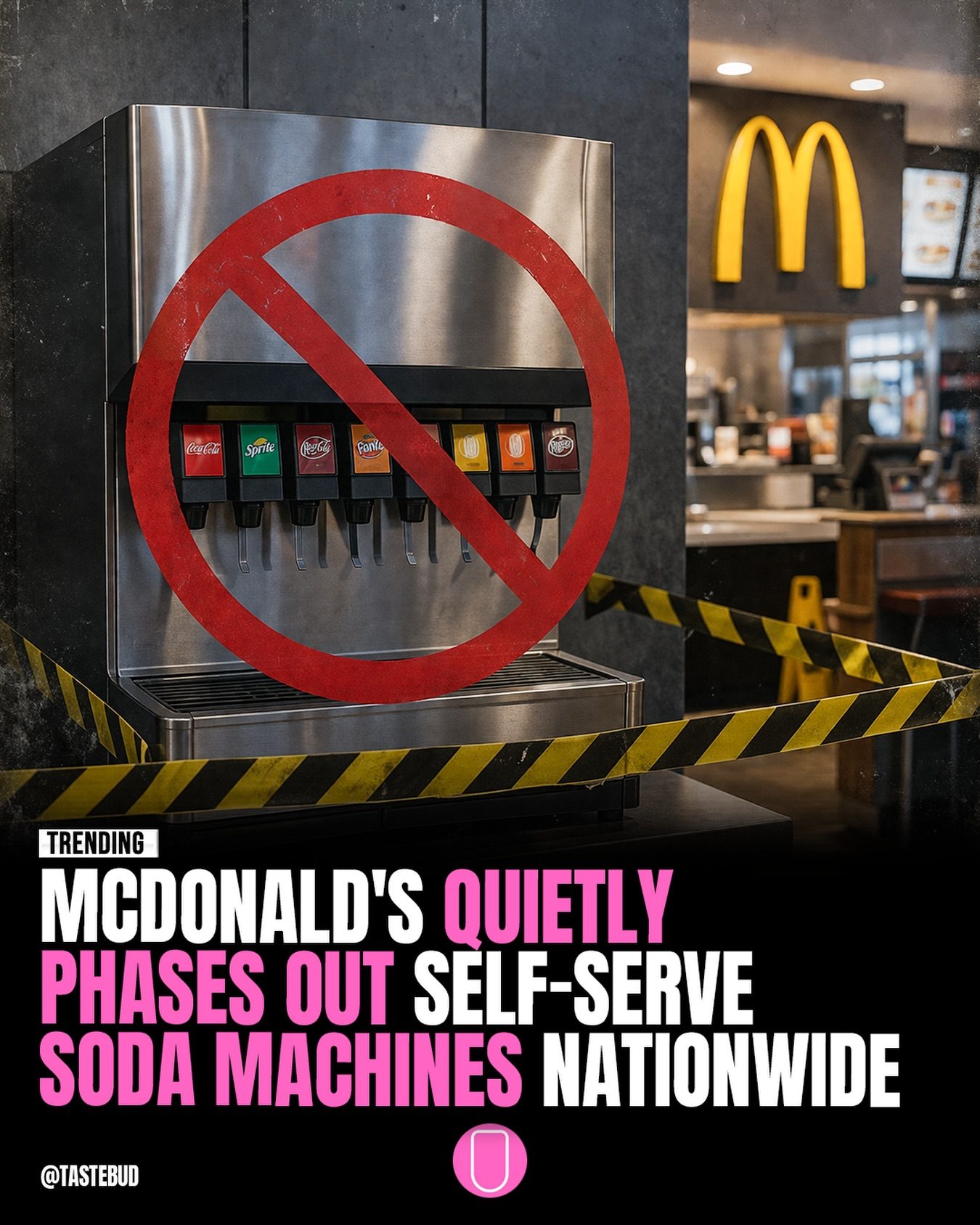
McDonald's Self-Serve Soda Machines
McDonald's is taking a significant step in modernizing its operations by phasing out self-serve soda fountain machines across the U.S. This decision is part of a larger initiative to streamline store operations, reduce maintenance demands, and align with changing customer behaviors.
Why This Matters
This shift by McDonald's reflects broader industry trends in food service and customer preferences. The move to eliminate self-serve stations is expected to be completed by 2032, which will have implications for both McDonald's operations and customer experiences.
Streamlining Operations
By transitioning from self-serve to attended service, McDonald's aims to reduce labor costs. Employees who previously managed the soda machines can be reallocated to other tasks, potentially improving efficiency and customer service in other areas of the restaurant.
Maintenance and Cleanliness
Self-serve soda machines require regular cleaning and maintenance to ensure hygiene and functionality. Removing these machines will lessen the demand on maintenance staff, allowing them to focus on other critical aspects of store upkeep.
Customer Behavior
The phase-out also reflects a broader shift in customer behavior. As consumer preferences evolve, there is a growing demand for faster, more convenient service. By controlling the beverage dispensing process, McDonald's can ensure more consistent product quality and reduce waste, thereby optimizing resources and enhancing the customer experience.
Environmental Considerations
Eliminating self-serve stations could also have positive environmental implications. With controlled dispensing, there is potential to reduce over-pouring, which often results in wasted beverage. Additionally, the reduction in machine usage may decrease energy consumption, contributing to McDonald's sustainability goals.
Main Discussion
The Transition Process
The transition from self-serve to attended service will be gradual, allowing McDonald's to manage the change smoothly. This phased approach will ensure that customers are not caught off guard and that staff can be adequately trained for the new system.
Impact on Employees
Employees will undergo training to adapt to the new system. This could involve learning new procedures for beverage dispensing and customer interaction. The shift may lead to a reorganization of roles, with some employees taking on new responsibilities.
Customer Experience
From a customer's perspective, the change could result in a more consistent and potentially faster service. Instead of waiting in line to fill their drinks, customers can expect to receive their beverages more quickly, enhancing the overall dining experience.
Potential Issues
However, there are potential downsides to this transition. Customers who prefer the control and variety that self-serve machines offer may express dissatisfaction. There is also a risk that the transition could lead to increased wait times if not managed properly, especially during peak hours.
Practical Tips
For Employees
- Training and Adaptation: Employees should be prepared for comprehensive training sessions to understand the new beverage dispensing system.
- Customer Interaction: Focus on maintaining a friendly and efficient service approach, ensuring customers feel valued and attended to.
For Customers
- Plan for Changes: Customers should be aware of the ongoing transition and adjust their expectations accordingly.
- Be Patient: Allow extra time for your visit during the initial phases of the transition, as there may be some adjustments and potential delays.
Important Takeaways
McDonald's is embarking on a significant operational change by phasing out self-serve soda fountains. This move is driven by a desire to modernize operations, reduce maintenance, and adapt to evolving customer behaviors. While the transition may present challenges, it also offers opportunities for improved efficiency and customer service.
Conclusion
McDonald's decision to phase out self-serve soda machines is a strategic move towards a more streamlined and efficient operation. By reducing the demands of maintenance and labor, and aligning with evolving customer preferences, the company is positioning itself for a more sustainable future. As the transition unfolds, both employees and customers will need to adapt to the new system, but the long-term benefits could result in a more efficient and enjoyable dining experience. This shift highlights McDonald's commitment to innovation and its ability to adapt to changing times.
Watch the Reel
Questions readers ask
Why is McDonald's phasing out self-serve soda fountains?
McDonald's is phasing out self-serve soda fountains to streamline operations, reduce maintenance costs, and adapt to changing customer preferences. This move is part of a broader initiative to enhance efficiency and improve customer service.
What will replace the self-serve soda machines at McDonald's?
McDonald's will transition to attended service for soda dispensation. This means employees will handle the pouring of drinks, allowing for better control over portion sizes and potential upselling opportunities.
By when is McDonald's expected to complete this change?
McDonald's aims to complete the phasing out of self-serve soda fountains nationwide by 2032. This gradual transition will allow the company to assess and adapt as needed.
How will this change affect McDonald's employees?
The shift will reallocate tasks and potentially enhance the roles of employees. Those who previously managed the soda machines can be reallocated to other tasks, improving customer service overall.
What are the expected benefits of this change for customers?
Customers may experience more consistent portion sizes, improved service, and a more modernized dining experience. This change aligns with evolving consumer preferences for convenience and efficiency.
What is the significance of McDonald's phasing out self-serve soda fountains in the broader industry context?
This move by McDonald's reflects a broader trend in the food service industry towards efficiency and automation. By phasing out self-serve soda fountains, McDonald's is aligning with industry trends and consumer behaviors.
What is the rationale behind phasing out self-serve soda fountains across the nation?
The rationale includes enhancing efficiency, reducing maintenance costs, and aligning with evolving customer preferences. By streamlining operations, McDonald's can better allocate resources and improve overall service.
Related deep dives
Similar reads based on topic and creator.


Recent articles
Fresh deep dives from the latest Reels we unpacked.




Comments
Be the first to comment.