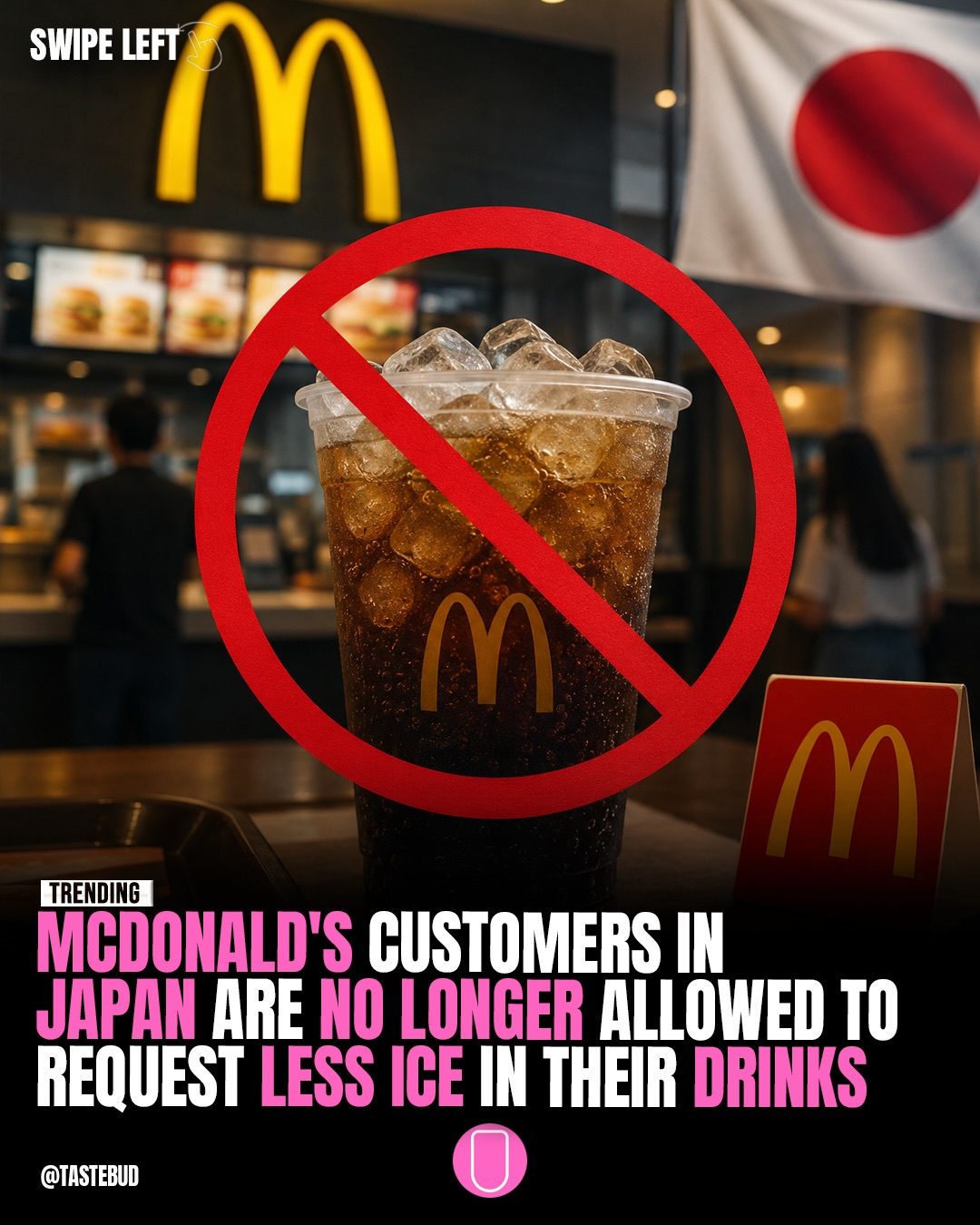
McDonald's Japan Restrictions
McDonald's Japan has recently implemented restrictions on certain customer customization requests. These changes impact how customers can order their drinks, especially soft drinks, and sides. The restrictions include limitations on requests for less ice, extra sauce, or more salt. This move highlights how fast-food chains adapt their operations to improve efficiency, which can sometimes result in changes that affect longstanding customer habits.
Why This Matters
These restrictions are a significant shift for regular McDonald's customers in Japan who have grown accustomed to specific customizations. Understanding why these changes are happening can provide insight into the broader trends and challenges faced by the fast-food industry. These changes reflect broader efforts to streamline operations and ensure consistency, which can have far-reaching implications for both customers and the business.
Main Discussion
Background on Customization at McDonald's
McDonald's Japan, like many fast-food chains, has historically allowed customers to customize their orders to some extent. This flexibility has been a significant part of the customer experience, allowing individuals to tailor their meals to their preferences. Customization options have included requests for less ice in drinks, extra sauce on burgers, and more salt on fries. These small adjustments have become a part of many customers' routines, making their visits to McDonald's a personalized experience.
The New Restrictions
Recently, McDonald's Japan has started to restrict these customization options. Customers are no longer allowed to request less ice in their drinks. Similarly, requests for extra sauce on burgers or more salt on fries are no longer permitted. These changes are part of a broader effort by McDonald's to optimize its operations and improve efficiency. The restrictions aim to standardize the ordering process, reduce wait times, and ensure consistency across all locations.
Impact on Customers
These changes are likely to have a notable impact on regular McDonald's customers in Japan who have become accustomed to these customizations. For many, these small adjustments are a part of their daily routine, and the inability to make these requests may feel like a significant disruption. It underscores how even minor changes in fast-food operations can affect customer habits and expectations.
Operational Efficiency
The restrictions on customization requests are part of a broader strategy to improve operational efficiency. Fast-food chains like McDonald's often face challenges in balancing the need for speed and consistency with the desire to offer personalized service. By reducing the number of customization options, McDonald's can streamline its processes, ensuring that orders are prepared and served more quickly and consistently.
Practical Tips
While these changes may be frustrating for some customers, there are ways to adapt to the new restrictions:
- Plan Ahead: Understand that your usual customization requests may not be available. Adjust your ordering habits accordingly to avoid disappointment.
- Explore Alternatives: Consider trying different menu items or drinks that may offer a similar experience to what you used to enjoy. For example, if you usually request less ice in your drink, you might find that a different beverage suits your preferences better.
- Stay Flexible: Be open to the idea that your dining experience may change over time. Fast-food chains often implement new policies and practices, and being adaptable can help you navigate these changes more easily.
Important Takeaways
- Adapting to Change: These restrictions are a reminder that customer habits and preferences can change, and it's important to be flexible in the face of these changes.
- Streamlining Operations: The move towards standardizing orders and reducing customization options is part of a broader trend in the fast-food industry to improve efficiency and consistency.
- Personalized Service: While these restrictions may be seen as a loss of personalized service, it's important to recognize that fast-food chains are balancing multiple demands, including speed, consistency, and customer satisfaction.
Conclusion
For McDonald's customers in Japan, the recent restrictions on customization requests represent a significant change in ordering habits. While these changes can be disruptive, they are part of a broader effort to improve operational efficiency and ensure consistency across all locations. Understanding why these changes are happening and adapting to them can help customers navigate the new ordering process more smoothly. Whether you're a loyal customer or an occasional visitor, being aware of these changes can enhance your dining experience and make it easier to enjoy your favorite fast-food meals. Keep in mind that while these restrictions may feel like a loss of personalization, they are part of a larger effort to balance efficiency with customer satisfaction.
Watch the Reel
Questions readers ask
Why has McDonald's Japan reduced drink and side customization options?
McDonald's Japan has reduced these options to streamline operations and enhance efficiency. This move aims to speed up the ordering process and improve overall service.
What specific customization requests are now restricted at McDonald's Japan?
Requests for less ice in drinks, extra sauce, or additional salt on sides are among the customizations that have been limited.
How will these changes affect the ordering process at McDonald's Japan?
By reducing customization options, McDonald's Japan aims to make the ordering process quicker and more efficient for both customers and staff.
Are these changes permanent at McDonald's Japan?
As of now, there is no official statement indicating these changes are temporary. They appear to be part of a broader effort to improve operational efficiency.
Will these changes impact all McDonald's locations worldwide?
These changes are specific to McDonald's Japan and may not directly impact other global locations, although similar efficiency measures could be implemented elsewhere over time.
Related deep dives
Similar reads based on topic and creator.



Recent articles
Fresh deep dives from the latest Reels we unpacked.




Comments
Be the first to comment.