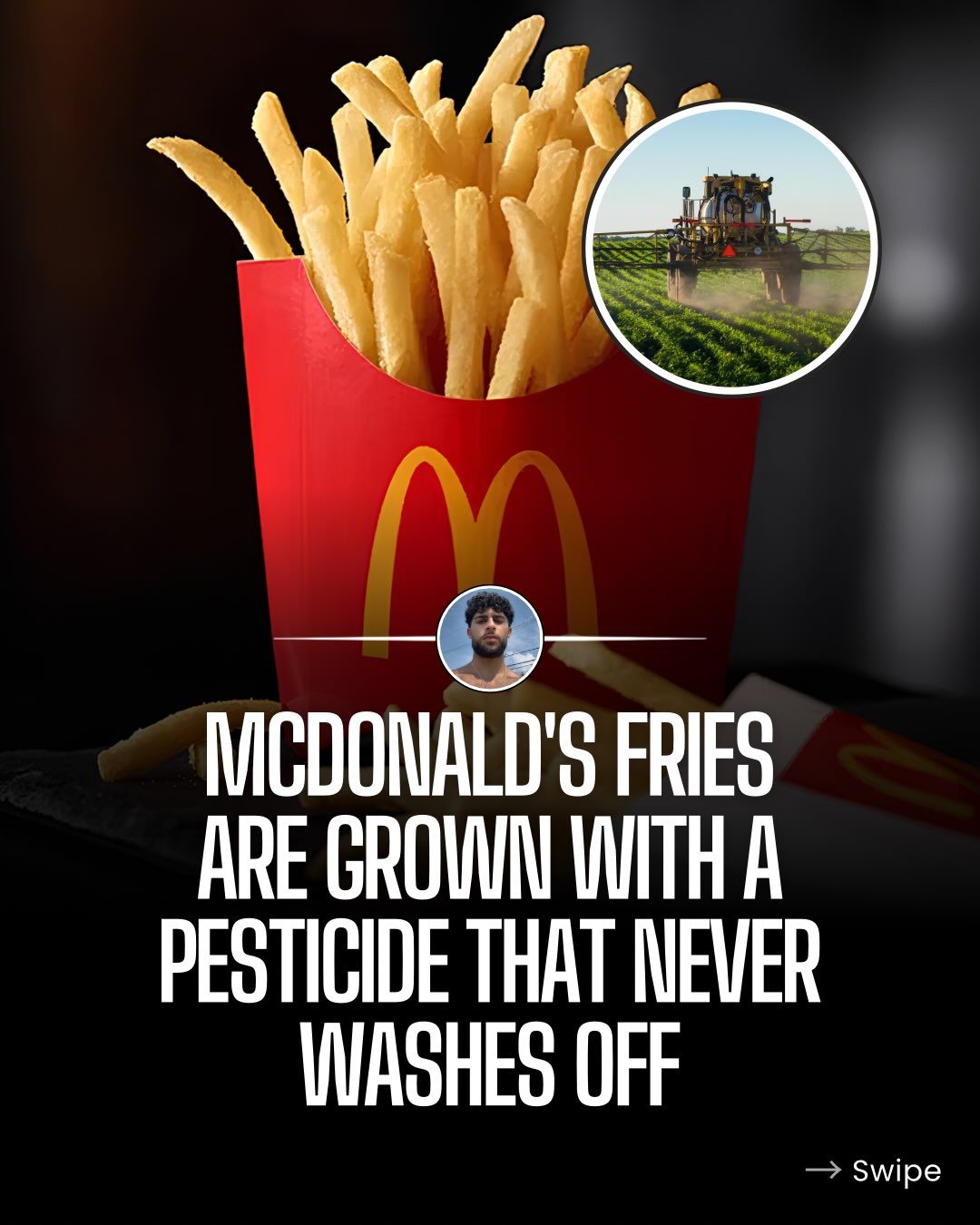
McDonald's Fries: Ingredients and Production Differences
McDonald's fries are a staple for fast-food lovers worldwide, but did you know that the ingredients and production methods vary significantly between the U.S. and many European countries? Let’s delve into the details to understand why and how these differences exist.
Context / Why This Matters
Understanding the ingredients in fast food, especially something as iconic as McDonald's fries, is crucial for those who are health-conscious or have specific dietary needs. The differences in ingredients between the U.S. and European versions of McDonald's fries highlight the regulatory and cultural variations in food production and safety standards. This knowledge can help consumers make informed choices based on their preferences and health considerations.
Ingredient List Breakdown
U.S. Version
The U.S. version of McDonald's fries contains 14 ingredients, a list that includes:
- Potatoes
- Canola Oil
- Corn Oil
- Soybean Oil
- Hydrogenated Soybean Oil
- Natural Beef Flavor
- Hydrolyzed Wheat
- Hydrolyzed Milk
- Dextrose
- Sodium Acid Pyrophosphate
- Dimethylpolysiloxane
- TBHQ (tert-butylhydroquinone)
- Hydrogen
- Citric Acid
European Version
In contrast, the European version of McDonald's fries is much simpler, containing just four ingredients:
- Potatoes
- Oil (typically rapeseed oil)
- Dextrose
- Salt
Differences in Production Methods
The most notable difference in production methods involves the pesticides used in growing the potatoes. In the U.S., McDonald's fries are grown with a pesticide called imidacloprid. This pesticide is a neonicotinoid, meaning it is systemic and absorbed by the growing plant, making it difficult to remove through washing. The U.S. Department of Agriculture (USDA) has detected imidacloprid residues in many conventionally grown potatoes.
Conversely, many European countries have restricted the outdoor use of imidacloprid due to concerns about its impact on bees. This regulatory difference is why European versions of McDonald's fries are produced using potatoes grown with different pesticides or without the use of imidacloprid.
Historical Perspective
Years ago, McDonald's used a pesticide called Monitor (methamidophos) to grow their potatoes. However, this pesticide was phased out in the U.S. due to safety concerns. The replacement pesticide, imidacloprid, has raised similar concerns, leading to stricter regulations in Europe.
Why the Difference?
The variation in ingredients and production methods can be attributed to several factors:
-
Regulatory Differences: The regulatory environment in the U.S. and Europe differs significantly. European countries have stricter regulations regarding pesticide use, particularly those that impact pollinators like bees. This has led to a more stringent approach to pesticide use in Europe.
-
Consumer Preferences: European consumers often prefer simpler, more natural ingredients. This preference has driven demand for products with fewer additives and preservatives, leading to a more streamlined ingredient list.
-
Cultural Norms: Cultural norms around food and health also play a role. In Europe, there is often a greater emphasis on natural and organic foods, which influences the production and ingredient choices for popular fast-food items.
Practical Tips for Consumers
If you're looking to make more informed choices about your fries, consider the following tips:
Read the Ingredient List
Always check the ingredient list for any food product. Knowing what you’re consuming can help you make healthier choices.
Compare Products
If you're traveling or have access to both U.S. and European versions of McDonald's fries, compare the taste and texture. You might find preferences that align with your health goals or taste preferences.
Consider Alternatives
If you’re concerned about the ingredients in fast-food fries, consider homemade alternatives. You can control the ingredients and production methods, ensuring you're eating something that meets your dietary needs and preferences.
Seek Transparency
Support brands that are transparent about their ingredient lists and production methods. This transparency helps consumers make informed decisions.
Important Takeaways
The differences in McDonald's fries between the U.S. and Europe highlight the complex interplay of regulatory environments, consumer preferences, and cultural norms. Understanding these differences can help consumers make more informed choices about the food they eat. Whether you prefer the simpler European version or are content with the U.S. version, knowing the facts can guide your decisions and satisfy your cravings.
Conclusion
McDonald's fries are a beloved treat, but their ingredients and production methods vary significantly between the U.S. and Europe. Whether due to regulatory differences, consumer preferences, or cultural norms, these variations offer a glimpse into the broader world of food production and safety. By understanding these differences, consumers can make more informed choices about what they eat.
Watch the Reel
Questions readers ask
What are the main ingredients in U.S. McDonald's fries?
U.S. McDonald's fries contain 14 ingredients, including potatoes, canola oil, corn oil, soybean oil, natural beef flavor, hydrogenated soybean oil, citric acid, dextrose, sodium acid pyrophosphate, salt, and dimethylpolysiloxane.
Why do European McDonald's fries have fewer ingredients?
European McDonald's fries have just four ingredients: potatoes, beef tallow, salt, and citric acid. This difference is due to regulatory standards and cultural preferences in Europe, which often favor simpler ingredient lists and stricter controls on additives.
What type of oil is used in McDonald's fries in the U.S. and Europe?
In the U.S., McDonald's fries are cooked in a blend of canola oil, corn oil, and soybean oil. In contrast, European McDonald's fries are typically cooked in beef tallow, which contributes to the distinct taste and texture.
Are there any concerns about pesticide residues in McDonald's fries?
There have been concerns about pesticide residues, such as imidacloprid, in potatoes used for McDonald's fries. However, McDonald's has policies in place to minimize pesticide use and ensure the safety of their ingredients.
Why do McDonald's fries in the U.S. have 'natural beef flavor'?
The 'natural beef flavor' in U.S. McDonald's fries is derived from beef extracts and is added to enhance the taste. This ingredient is not present in European McDonald's fries, contributing to the difference in flavor profiles.
What kind of potatoes are used in McDonald's fries?
McDonald's uses specific varieties of potatoes for their fries, such as the Russet Burbank, Russet Norkotah, and Shepody. These varieties are chosen for their high solids content, which affects the fries' texture and flavor.
How does the use of hydrogenated oils affect the health considerations of McDonald's fries?
Hydrogenated oils, like hydrogenated soybean oil, contain trans fats, which are known to raise bad cholesterol levels. The use of hydrogenated oils in U.S. McDonald's fries has been a point of concern for health-conscious consumers and has led to changes in production, such as the phase-out of trans fats in many regions. European fries, which do not contain hydrogenated oils, may be perceived as a healthier alternative in this regard.
Recent articles
Fresh deep dives from the latest Reels we unpacked.




Comments
Be the first to comment.