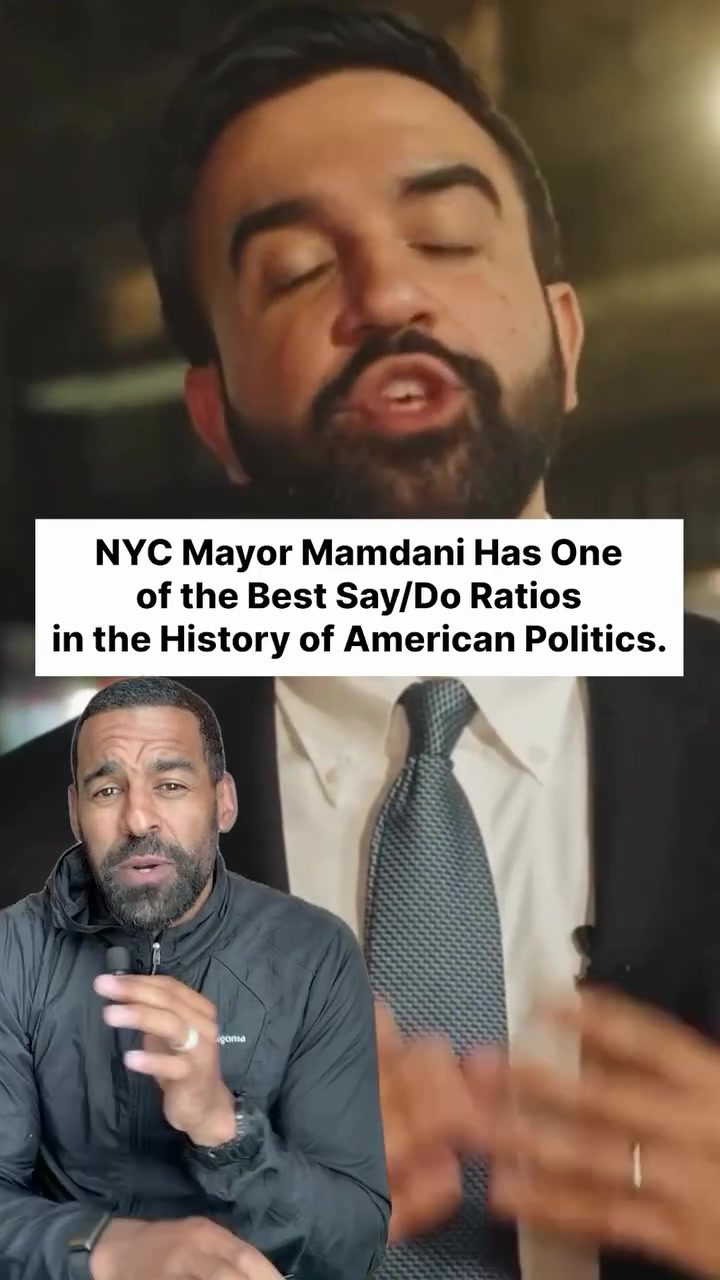
The Remarkable Leadership of NYC Mayor Mamdani: Balancing Budgets and Delivering Promises
Mayor Zoran Mamdani of New York City has made headlines for his exceptional "say/do" ratio, which sets a new standard in American politics. Within his first 100 days in office, Mamdani inherited a daunting $12 billion deficit, the largest since the Great Recession. Despite the daunting financial challenges, Mamdani not only balanced the budget but also implemented a series of groundbreaking initiatives that have earned him widespread acclaim.
Why This Matters
The financial crisis that Mamdani inherited was unprecedented in modern times. Politicians for the past decade had consistently claimed that balancing the budget while investing in public services was an impossible task. Mamdani's approach not only disproved this notion but also set a new benchmark for effective governance. His strategies and initiatives have had a profound impact on the city's financial health and the quality of life for its residents.
How He Did It
Taxing the Wealthy
One of the most significant steps Mamdani took was to implement a wealth tax, known as the Pierre de Terre tax, which targets non-residents sitting on empty apartments worth more than $5 million. This tax generated $500 million annually. Additionally, he cut tax credits that overwhelmingly benefited billionaires, saving another $68 million. This approach ensured that the burden of budget balancing did not fall on working-class residents or essential city services.
Fiscal Partnerships
Mamdani's efforts to mend the long-standing tension between City Hall and the State government were also pivotal. By partnering with Governor Holchell, he secured $3 billion in state support. This collaboration highlighted his ability to navigate complex political landscapes and secure the necessary resources to address the city's financial woes.
Cost-cutting and Efficiency
Mamdani's administration introduced a novel approach to cost-cutting by adding chief savings officers to every city agency, a first in New York's history. This initiative led to the discovery of $1.7 billion in savings, including the termination of expensive contracts with firms like McKinsey. Bringing this work in-house not only saved money but also ensured that the city's resources were used more efficiently.
The Impact
With a balanced budget, Mamdani embarked on a series of initiatives that have transformed New York City. Some of the most notable achievements include:
Universal Childcare
For the first time in the city's history, free childcare was provided for two-year-olds, and universal childcare was implemented for three-year-olds. This initiative, coupled with the hiring of a thousand new teachers and the reduction of class sizes, has set a new standard for early childhood education.
Public Housing
Mamdani committed $5.6 billion to public housing, the most significant investment in NYCHA's history. This funding has ensured that libraries, parks, and city universities no longer have to fight for funding annually, providing a stable financial foundation for essential public services.
Social and Economic Initiatives
Other key initiatives include half-price Metro cards for low-income residents, $26 million annually for hate crime prevention, and a host of other programs aimed at improving the quality of life for New Yorkers. Each of these programs was a promise made before Mamdani was elected, and every promise came with a receipt, ensuring transparency and accountability.
Practical Tips for Effective Governance
Mamdani's approach offers several practical lessons for effective governance:
- Targeted Taxation: Implementing targeted wealth taxes can generate significant revenue without burdening the middle and lower-income residents.
- Political Collaboration: Building strong partnerships with state governments and other stakeholders can unlock additional resources.
- Efficiency and Savings: Introducing cost-saving measures and in-house management can lead to substantial financial gains.
- Transparency and Accountability: Ensuring that every promise comes with a receipt builds trust and maintains accountability.
Important Takeaways
Mamdani's leadership underscores several critical points:
- Feasibility of Balancing Budgets: Despite the claims of political experts, it is possible to balance the budget while investing in public services.
- Importance of Political Will: Strong political will and strategic planning can overcome seemingly insurmountable financial challenges.
- Public Trust: Transparency and accountability are essential for maintaining public trust and support.
Conclusion
Mayor Zoran Mamdani's tenure in New York City has been a masterclass in effective governance. By balancing the budget, implementing groundbreaking initiatives, and maintaining transparency, he has set a new standard for political leadership. His approach offers valuable lessons for politicians and policymakers across the country, demonstrating that with the right strategies and determination, even the most daunting challenges can be overcome.
Watch the Reel
Questions readers ask
How did Mayor Mamdani address the $12 billion deficit in his first 100 days?
Mayor Mamdani tackled the deficit through a combination of tax reforms, strategic spending cuts, and securing political partnerships to garner additional support and resources. His approach ensured that the city's financial obligations were met without compromising essential public services.
What specific initiatives did Mayor Mamdani launch to improve public services in NYC?
Within his first 100 days, Mayor Mamdani introduced several public initiatives aimed at enhancing the quality of life in NYC. These initiatives included infrastructure improvements, enhancements to public transportation, and investments in community programs to support vulnerable populations.
How have tax reforms contributed to NYC's financial improvement under Mayor Mamdani?
Tax reforms under Mayor Mamdani have played a critical role in balancing the budget by increasing revenue and ensuring that the tax system is fair and efficient. These reforms have helped in redistributing the financial burden more equitably, thereby fostering a healthier economic environment. The reforms have also encouraged economic growth, providing more opportunities for residents and businesses alike.
What role did political partnerships play in Mayor Mamdani's budget turnaround?
Political partnerships were instrumental in Mayor Mamdani's budget turnaround, as they allowed for collaboration across different levels of government and with private sector entities. These partnerships helped secure additional funding, streamline administrative processes, and implement innovative solutions to complex fiscal challenges.
How has the quality of life in NYC improved under Mayor Mamdani's leadership?
The quality of life in NYC has significantly improved under Mayor Mamdani's leadership due to his commitment to public services. Initiatives focused on infrastructure, public transportation, and community support have directly benefited residents, enhancing their day-to-day experiences and overall well-being. The city has seen reductions in crime, improvements in public health, and a more vibrant community life.
What was the significance of Mayor Mamdani's 'say/do' ratio in his 100-day transformation?
Mayor Mamdani's 'say/do' ratio highlights his exceptional ability to deliver on campaign promises, which has earned him widespread acclaim. By balancing the budget and implementing impactful initiatives within his first 100 days, he has demonstrated a high level of fiscal responsibility and commitment to public services, setting a new standard in American politics.
What can other cities learn from Mayor Mamdani's approach to budget management and public initiatives?
Other cities can learn the importance of strategic planning, fiscal discipline, and effective partnerships from Mayor Mamdani's approach. His success shows that it is possible to balance budgets and invest in public services simultaneously, making the lives of citizens better.
Related deep dives
Similar reads based on topic and creator.


Recent articles
Fresh deep dives from the latest Reels we unpacked.




Comments
Be the first to comment.