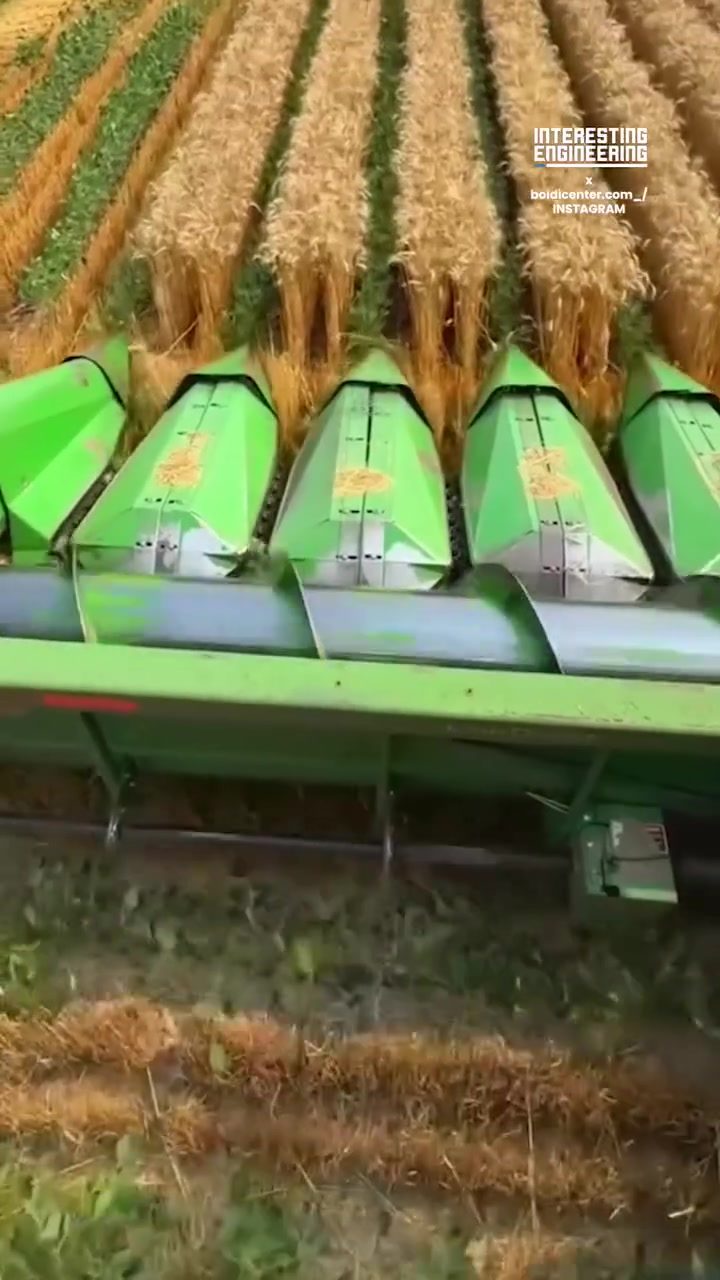
Intercropping Wheat and Soybeans for Improved Agricultural Efficiency
Intercropping wheat between soybean rows is a strategic agricultural practice that allows farmers to harvest two crops from the same field. This method, while reducing individual wheat yields, optimizes land use and increases overall profitability. The process involves planting wheat in the spaces between rows of soybeans, enabling dual harvests from a single plot of land. This technique improves the efficiency of land use and maximizes the utilization of sunlight, water, and soil nutrients.
Context / Why This Matters
In modern agriculture, maximizing land use is crucial for enhancing profitability and sustainability. Intercropping wheat and soybeans offers a practical solution for farmers aiming to optimize their resources. By planting wheat in the rows between soybeans, farmers can better utilize available space, sunlight, and soil nutrients. This approach not only increases land efficiency but also enhances the overall yield and profitability of the farm.
Main Discussion
Understanding Intercropping
Intercropping is an ancient agricultural practice that has regained popularity due to its sustainability and efficiency benefits. The technique involves growing two or more crops in close proximity, often in alternating rows or within the same row. In the case of wheat and soybeans, wheat is planted between the rows of soybeans. This method takes advantage of the different growth habits and nutrient requirements of the two crops.
Benefits of Intercropping Wheat and Soybeans
Intercropping wheat and soybeans offers several key benefits:
-
Improved Land Efficiency: By planting wheat between soybean rows, farmers can effectively double the use of their land. This means that the same plot of land can produce two different crops, maximizing the overall yield.
-
Enhanced Profitability: Although the yield of wheat may be reduced compared to growing it in monoculture, the combined yield of wheat and soybeans can be higher. This leads to increased profitability as farmers can sell two different crops.
-
Optimized Resource Utilization: Intercropping allows for better utilization of sunlight, water, and soil nutrients. Soybeans and wheat have different growth patterns and nutrient needs, so they can coexist without competing for the same resources.
-
Pest and Disease Management: Intercropping can also help with pest and disease management. The diversity of crops can disrupt the life cycles of pests and diseases, reducing the need for chemical interventions.
How Intercropping Works
Intercropping wheat and soybeans involves planting wheat in the spaces between the rows of soybeans. The wheat is typically planted later in the growing season, allowing the soybeans to establish themselves first. This staggered planting helps to ensure that both crops have adequate space and resources to grow.
Harvesting the Crops
Harvesting two crops from the same field requires careful planning and specialized machinery. Combine harvesters, such as those made by John Deere, are equipped to handle the dual harvest. These machines are designed to efficiently cut and collect both wheat and soybeans, ensuring that neither crop is damaged during the harvesting process.
Practical Tips
Choosing the Right Crops
When considering intercropping, it's essential to choose crops that have complementary growth habits and nutrient requirements. Wheat and soybeans are an excellent example of this, as they have different growth patterns and can coexist without competing for the same resources.
Planning Your Planting Scheme
Careful planning is crucial for successful intercropping. This includes deciding on the spacing between rows, the planting timing, and the sequence of planting. It's also important to consider factors such as soil health, nutrient availability, and weather conditions.
Harvesting Techniques
Harvesting two crops from the same field requires specialized machinery and techniques. Combine harvesters are a popular choice for harvesting wheat and soybeans, as they are equipped to handle the dual harvest. It's important to ensure that the harvester is properly calibrated to minimize damage to the crops during harvesting.
Monitoring and Management
Regular monitoring and management are essential for successful intercropping. This includes keeping an eye on crop health, pest and disease management, and nutrient levels. It's also important to be prepared to adjust your management practices as needed to ensure the health and productivity of both crops.
Important Takeaways
Intercropping wheat and soybeans is a sustainable and efficient agricultural practice that offers numerous benefits. By planting wheat in the rows between soybeans, farmers can optimize land use, enhance profitability, and better utilize available resources. This technique can also help with pest and disease management, reducing the need for chemical interventions.
Conclusion
Intercropping wheat and soybeans is a practical and effective way to maximize land use and enhance profitability in modern agriculture. By taking advantage of the complementary growth habits and nutrient requirements of these two crops, farmers can optimize their resources and achieve better yields. This technique offers a sustainable solution for farmers looking to improve their land efficiency and profitability without compromising on crop quality.
Watch the Reel
Questions readers ask
What is the primary advantage of intercropping wheat and soybeans?
The main benefit is the efficient use of resources and space. By planting wheat between rows of soybeans and harvesting both crops, farmers maximize sunlight, water, and soil nutrients, thus optimizing land use and overall farm profitability.
How does intercropping affect individual wheat yields?
While intercropping wheat and soybeans may reduce individual wheat yields compared to monocropping, it enhances overall farm productivity. The trade-off in wheat yield is often offset by the additional revenue from the soybean harvest, leading to increased long-term profitability.
What is the ideal soybean row spacing for intercropping wheat?
The optimal spacing is typically between 25 to 30 inches. This spacing allows enough room for wheat to grow between the rows of soybeans, ensuring that both crops have adequate space to thrive without competing excessively for resources.
What are the environmental benefits of intercropping wheat and soybeans?
Intercropping benefits the environment by promoting soil health and reducing erosion. The diverse root systems of wheat and soybeans help improve soil structure, and the practice can decrease the need for synthetic fertilizers by enhancing soil nutrient efficiency.
Can a standard harvester be used for intercropping wheat and soybeans?
Typically, a standard harvester like a John Deere is not ideal for intercropping due to the mixed crop types. Farmers may need specialized harvesting techniques or equipment designed for harvesting multiple crops simultaneously, or they might harvest the crops separately at different times.
Recent articles
Fresh deep dives from the latest Reels we unpacked.




Comments
Be the first to comment.