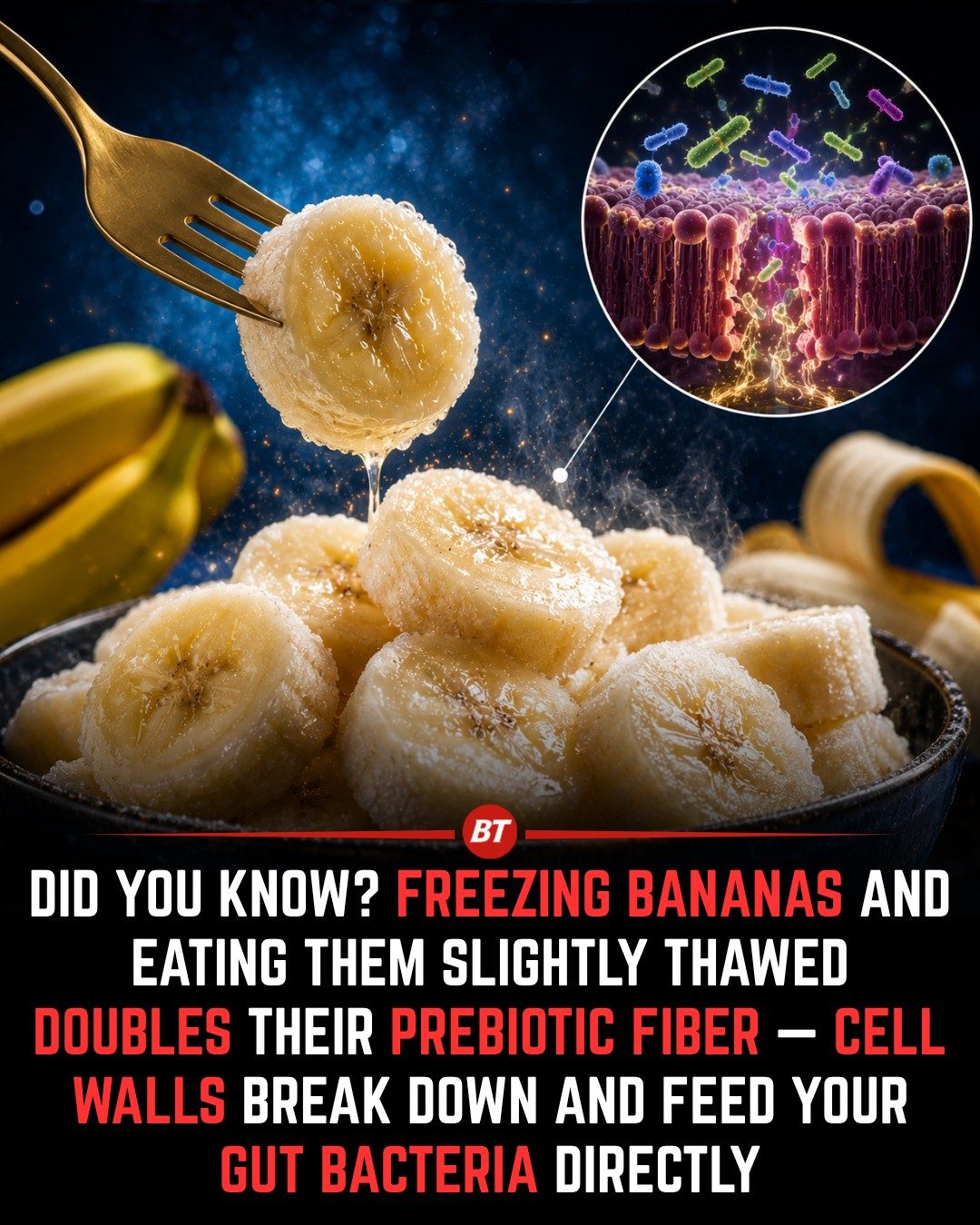
Freezing Bananas: Unlocking Hidden Benefits
Freezing bananas doesn't just create a refreshing, ice cream-like treat; it also significantly boosts their prebiotic fiber content. This simple process makes bananas an even more powerful tool for supporting gut health.
Why This Matters
Gut health is crucial for overall well-being, influencing everything from digestion to immune function. Bananas are already known for their nutritional benefits, but freezing them can amplify these effects, particularly in terms of prebiotic fiber. This type of fiber nourishes the beneficial bacteria in your gut, fostering a healthier microbiome. By understanding and leveraging this process, you can make the most of your bananas and improve your diet.
The Science Behind Freezing Bananas
Resistant Starch and Pectin
Bananas naturally contain two types of fiber: resistant starch and pectin. Unlike ordinary starch, resistant starch isn't fully digested in the small intestine. Instead, it travels to the colon, where it becomes a valuable food source for beneficial gut microbes. Pectin, a type of soluble fiber, further supports gut health.
The Freezing Process
When bananas are frozen, tiny ice crystals form and rupture some of the fruit's cell walls. This physical change significantly increases the fruit's prebiotic fiber content. The breakdown of cell walls allows gut bacteria to access and feed directly on the fiber, enhancing its gut-friendly properties. The result is a more creamy, satisfying texture and a more potent nutritional boost.
Short-Chain Fatty Acids
As gut microbes ferment the prebiotic fiber, they produce short-chain fatty acids like butyrate. These acids help fuel the cells lining your colon and support a healthy gut barrier. This process is essential for maintaining overall gut health and promoting better digestion and immune function.
Practical Tips for Freezing Bananas
Freezing bananas is remarkably simple, and there are several ways to incorporate them into your diet.
Freezing Technique
- Peel and Cut: Peel ripe bananas and cut them into chunks or slices. Ripeness is essential, as the starch content increases as bananas ripen, and it will continue to do so even once frozen. You can leave the bananas slightly green before freezing to maximize resistant starch.
- Flash Freeze: Place the banana pieces on a baking sheet lined with parchment paper and freeze for about an hour. This prevents the pieces from sticking together.
- Store: Transfer the frozen banana pieces to an airtight container or freezer bag and store in the freezer.
Uses for Frozen Bananas
- Smoothies: Blend frozen bananas into smoothies for a creamy texture and added nutrition.
- Oatmeal: Mash frozen banana chunks into oatmeal for a naturally sweet and flavorful breakfast.
- Snack: Enjoy frozen bananas as a refreshing, sweet snack.
- Ice Cream: Blend frozen bananas to create a simple, dairy-free ice cream alternative.
Thawing and Eating
For the best results, let the frozen bananas thaw for 5–10 minutes before eating. This allows the banana to soften while maintaining its creamy texture and maximizes the prebiotic fiber benefits.
Freezing Bananas for Gut Health
Freezing bananas is a simple yet effective way to enhance their nutritional value. By breaking down cell walls and increasing prebiotic fiber, frozen bananas nourish gut bacteria more effectively. This process supports a healthier gut microbiome, which in turn promotes better digestion, immune function, and metabolic health. Including frozen bananas in your diet is an easy and delicious way to support long-term health and well-being. Adding these tasty and nutritious treats into your meal plan can also make eating better simpler and more enjoyable.
Important Takeaways
- Prebiotic Fiber Boost: Freezing bananas doubles their prebiotic fiber content, making them a powerful tool for gut health.
- Cell Wall Breakdown: The freezing process ruptures cell walls, allowing gut bacteria to access and feed on the fiber directly.
- Short-Chain Fatty Acids: As gut microbes ferment the fiber, they produce short-chain fatty acids that support a healthy gut barrier.
- Simple Preparation: Freezing and thawing bananas is straightforward and can be incorporated into various dishes and snacks.
- Gut Health Benefits: Regularly consuming fiber-rich foods like frozen bananas supports digestion, immune function, and overall health.
Conclusion
Freezing bananas is more than just a fun way to enjoy a creamy, ice cream-like treat. It's a practical method to unlock hidden benefits and enhance their nutritional value. By understanding the science behind freezing bananas and incorporating them into your diet, you can support a healthier gut microbiome and improve your overall well-being. So, the next time you have ripe bananas on hand, consider freezing them to enjoy a refreshing, gut-friendly snack.
Watch the Reel
Questions readers ask
What happens to the fiber content in bananas when they are frozen?
Freezing bananas increases their resistant starch content, a type of prebiotic fiber that feeds the beneficial bacteria in your gut. This process transforms some of the carbohydrates in the banana into a form that is more resistant to digestion, making it more beneficial for your gut health.
How does freezing transform bananas into a creamy treat?
When bananas are frozen, the cell walls break down, releasing more liquid and creating a creamy, ice cream-like texture. This change in texture makes frozen bananas a versatile ingredient for smoothies or a healthy dessert.
Can freezing bananas help with digestion?
Yes, freezing bananas can help with digestion by increasing their resistant starch content. This type of starch feeds the good bacteria in your gut, which can improve overall digestive health and nutrient absorption.
What are the benefits of eating frozen bananas for gut health?
Eating frozen bananas promotes gut health by providing a rich source of prebiotic fiber, specifically resistant starch. This fiber nourishes the beneficial gut bacteria, fostering a healthier microbiome and supporting better digestion and immune function.
How can I incorporate frozen bananas into my diet?
Frozen bananas can be blended into smoothies, made into nice cream (a dairy-free soft-serve ice cream alternative), or simply eaten as a snack. Each of these methods allows you to enjoy the creamy texture and prebiotic benefits of frozen bananas.
How long do frozen bananas retain their gut health benefits?
Frozen bananas can retain their gut health benefits for up to 3 months when stored properly in an airtight container or freezer bag. This makes them a convenient option for meal prepping and ensuring a steady supply of prebiotic fiber.
Related deep dives
Similar reads based on topic and creator.




Recent articles
Fresh deep dives from the latest Reels we unpacked.




Comments
Be the first to comment.