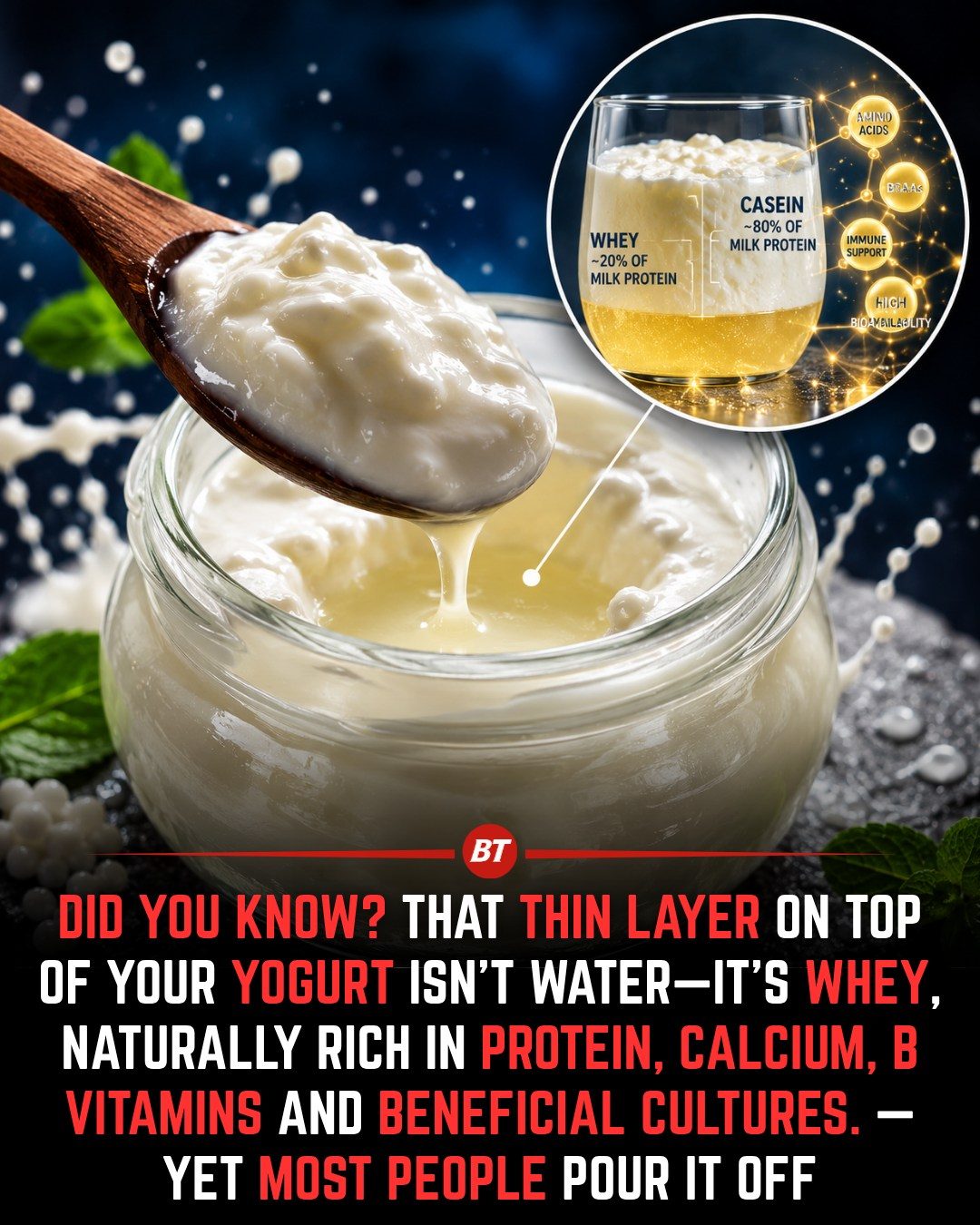
Yogurt Whey: A Nutrient-Packed Goldmine
The thin, clear liquid that often floats on top of yogurt is not just water—it's whey, a nutritional powerhouse. Many people pour off this layer, unaware that they're discarding a significant portion of yogurt's nutritional benefits. Learning about whey can help you make the most of your yogurt, ensuring that you get all the nutrients it has to offer.
Why This Matters
Combining yogurt's thick, creamy curds with the nutrient-rich whey creates a balanced and nutritious food. Whey is a byproduct of the yogurt-making process, naturally separating from the thicker curds during storage. This separation is a sign that the yogurt has not been overly processed. Whey is packed with high-quality proteins, essential amino acids, minerals, and vitamins. Understanding the significance of this layer can help you optimize your yogurt consumption.
The Benefits of Whey
Nutritional Profile
Whey is a rich source of high-quality proteins, including beta-lactoglobulin and alpha-lactalbumin. These proteins are complete, meaning they contain all nine essential amino acids that the body needs but cannot produce on its own. Whey also contains a variety of essential minerals such as calcium, potassium, and phosphorus, as well as B vitamins, and beneficial live cultures. These nutrients play crucial roles in supporting overall health, muscle recovery, and maintaining a healthy immune system.
Protein Quality
One of the standout features of whey is its protein quality. Branched-chain amino acids (BCAAs) are particularly abundant in whey, with leucine being the most notable. Leucine is essential for stimulating muscle protein synthesis, which is the process by which muscles repair and grow. This makes whey an excellent choice for those looking to support muscle maintenance, recovery, and healthy aging.
Digestibility
Whey is not only nutrient-dense but also highly digestible. The proteins in whey are easily broken down and absorbed by the body, making it a great option for people of all ages, including those with digestive issues. The live cultures in whey can also aid in digestion, promoting a healthy gut microbiome.
Maximizing Whey Intake
Storing and Serving Yogurt
A crucial step in maximizing the benefits of whey is to understand how to store and serve yogurt. Whey separates from the curds during storage, so it's normal to see a thin layer of liquid on top. To preserve all the nutrients, it's best to stir the whey back into the yogurt before consuming. This simple step ensures that you get the full nutritional profile of the yogurt, including the proteins, vitamins, and minerals found in the whey.
Creative Yogurt Recipes
Incorporating whey-rich yogurt into your diet can be both delicious and nutritious. Here are a few simple yet tasty ideas:
- Berry Blast Smoothie: Blend yogurt with a variety of berries, a banana, and a splash of milk for a creamy and nutritious smoothie.
- Greek Yogurt Parfait: Layer yogurt, granola, and your favorite fruits in a glass for a visually appealing and satisfying snack.
- Creamy Dips and Dressings: Mix yogurt with herbs and spices to create a healthy dip for veggies or a tangy dressing for salads.
- Protein-Packed Pudding: Mix yogurt with a natural sweetener like honey and top it with nuts, chia seeds, or a drizzle of nut butter for a satisfying dessert.
Practical Tips for Incorporating Whey
Stir, Don't Pour
The simplest way to ensure you're getting the most out of your yogurt is to stir the whey back into the curds. This preserves all the nutrients and creates a smoother, creamier texture. Pouring off the whey means losing valuable proteins, vitamins, and minerals.
Choose the Right Yogurt
Opt for plain, unsweetened yogurt to get the most nutritional benefits. Flavored yogurts often contain added sugars and artificial flavors, which can detract from the natural goodness of yogurt and whey. If you prefer a sweeter option, consider adding your own natural sweeteners like honey or fresh fruits.
Explore Different Types of Yogurt
There are various types of yogurt available, including Greek, Icelandic, and regular. Each type has a unique texture and nutritional profile. Greek yogurt, for example, is strained to remove more of the whey, resulting in a thicker, creamier product with a higher protein content. Icelandic yogurt, on the other hand, is cultured for a longer period, giving it a tangier flavor and a thicker consistency.
Important Takeaways
- The thin, clear layer on top of yogurt is whey, a nutrient-rich component that many people pour off.
- Whey contains high-quality proteins, essential minerals, and vitamins, making it a valuable addition to your diet.
- Stirring the whey back into the yogurt ensures you get the full nutritional benefits, including proteins, B vitamins, and beneficial cultures.
- Whey is highly digestible and a rich source of BCAAs, which are crucial for muscle maintenance and recovery.
- Incorporating whey-rich yogurt into your diet can be both delicious and nutritious, with options ranging from smoothies to savory dips.
Conclusion
Yogurt whey is a goldmine of nutrients that many people unintentionally discard. By understanding the benefits of whey and incorporating it into your diet, you can enhance your overall nutritional intake and enjoy the full range of benefits that yogurt has to offer. Next time you see that thin layer on top of your yogurt, remember that it's not just water—it's a nutritional powerhouse waiting to be enjoyed.
Watch the Reel
Questions readers ask
What is the protein layer on top of yogurt?
The protein layer on top of yogurt is called whey. It is a thin, clear liquid that forms naturally during the yogurt-making process and it is rich in essential amino acids and proteins.
What are the benefits of consuming yogurt whey?
Yogurt whey is packed with high-quality proteins and essential nutrients, it plays a beneficial role in muscle repair, supports immune function, and enhances overall well-being. Additionally, it contains minerals and vitamins, such as calcium and B vitamins, which contribute to bone health and energy production.
How can I separate yogurt whey from the curds?
Separating yogurt whey from the curds is simple. Just allow the yogurt to sit undisturbed in the container for a few hours or overnight. The whey will naturally float to the top and can be carefully poured off, leaving the thicker curds behind. Be careful not to shake or stir the yogurt before separating.
Can I use yogurt whey in cooking or baking?
Yes, you can incorporate yogurt whey into your cooking or baking. It can be used as a liquid in recipes, such as smoothies, protein shakes, and even baked goods. It can also be used to hydrate and add nutrients to your morning oatmeal.
Is the whey in yogurt the same as whey protein powder?
While both contain whey protein, the whey in yogurt is natural and unprocessed, whereas whey protein powder is often isolated and concentrated. Yogurt whey contains all the natural components of whey, including fats, vitamins, and minerals, which are often removed in powdered form.
Does stirring yogurt affect the whey content?
Yes, stirring yogurt can affect the whey content. Stirring can cause the whey to mix back into the curds, making it harder to separate and reducing the nutrient content of the whey. For optimal nutrient intake, allow the yogurt to sit undisturbed and pour off the whey once you're ready to consume it.
What vitamins and minerals are found in yogurt whey?
Yogurt whey is a good source of several key nutrients. Calcium and B vitamins are notable, as well as other minerals like potassium, phosphorus, and magnesium. These nutrients support various bodily functions, including muscle and nerve function, energy production, and bone health.
Related deep dives
Similar reads based on topic and creator.




Recent articles
Fresh deep dives from the latest Reels we unpacked.




Comments
Be the first to comment.