Squat Stances for Targeted Muscle Development
Squats are a staple in many workout routines, and for good reason. They are a compound movement that engages multiple muscle groups, making them highly effective for building strength and muscle. However, did you know that simply adjusting your squat stance can shift the emphasis to different muscle groups? This subtle change can help you target specific areas of your lower body, allowing for more balanced and effective workouts.
Why Stance Matters
When performing squats, the width of your stance significantly influences which muscles are activated. This is because the angle and positioning of your hips, knees, and ankles change, altering the biomechanics of the movement. Understanding how to adjust your stance can help you tailor your workouts to meet specific goals, whether it's building stronger quads, more defined glutes, or overall lower body strength.
The Role of Muscle Activation
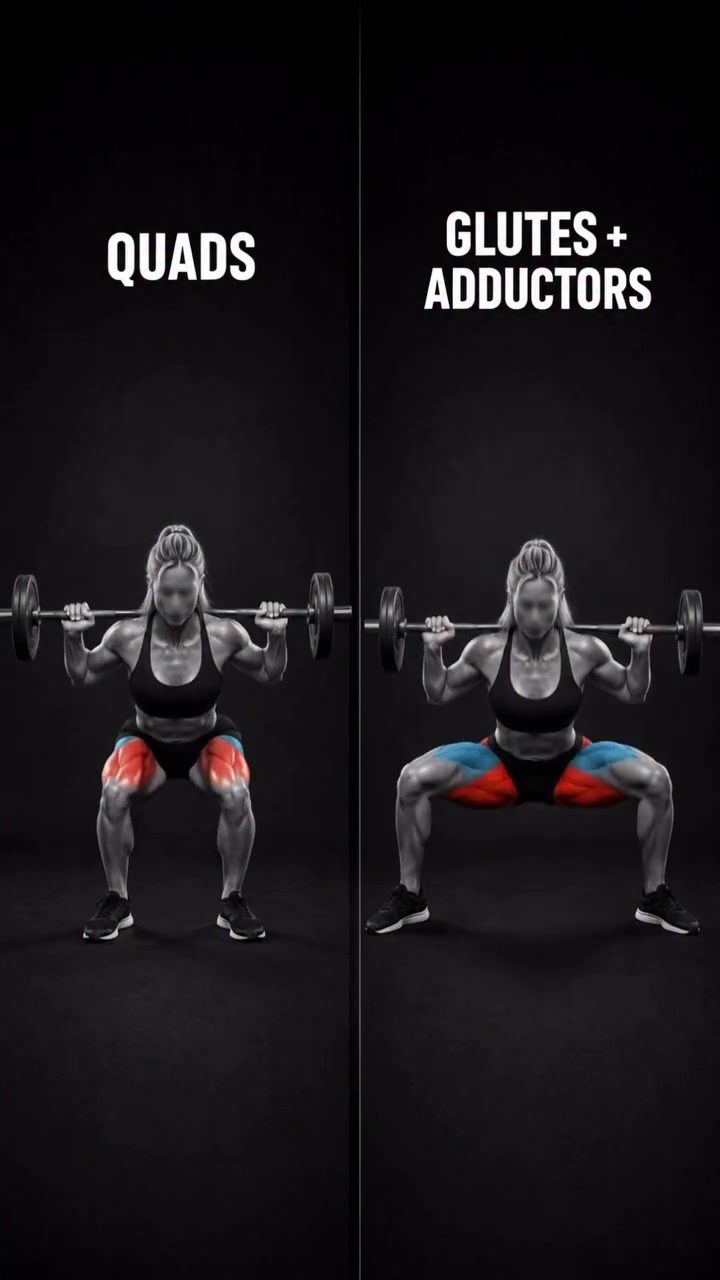
Muscle activation refers to the engagement of specific muscle groups during an exercise. By focusing on different muscle groups, you can target areas that need more development. Color-coded overlays on the legs illustrate which muscle groups are activated during various squat stances. This visualization is a powerful tool for understanding how to modify your workout for optimal results.
Narrow Stance Squats
Narrow stance squats are characterized by positioning your feet closer together, typically shoulder-width apart or slightly narrower. This stance places more emphasis on the quads, making it an excellent choice if your goal is to strengthen and define your legs. The narrower stance causes the knees to track over the toes, which shifts the load to the quadriceps. This movement is ideal for athletes looking to improve their leg strength and endurance in sports like running and cycling.
Strengthening the quads is essential for various athletic movements, including jumping, sprinting, and changing direction quickly. Additionally, developing the quads can improve knee stability and reduce the risk of injuries.
Wide Stance Squats
Wide stance squats, on the other hand, involve positioning your feet wider than shoulder-width apart. This stance shifts more demand to the glutes and adductors (inner thighs), helping you target the entire lower body while building strength and stability. The wider stance causes the hips to move back and down, engaging the gluteal muscles and inner thighs more effectively.
Performing wide stance squats can improve your overall lower body strength and stability. This stance is particularly beneficial for athletes involved in sports that require powerful hip movements, such as weightlifting, powerlifting, and certain martial arts. Additionally, targeting the glutes and adductors can enhance balance, posture, and overall lower body aesthetics.
Balanced Lower-Body Development
Incorporating both narrow and wide stance squats into your training program can lead to balanced lower-body development. This approach ensures that all major muscle groups in the legs are adequately worked, reducing the risk of muscle imbalances and injuries. By alternating between these stances, you can achieve a more athletic and toned lower body.
Narrow stance squats are ideal for targeting the quads, while wide stance squats focus on the glutes and adductors. Combining these variations allows for comprehensive lower body development, improving overall strength, stability, and aesthetics.
Practical Tips for Effective Squats
Regardless of the stance you choose, prioritizing proper form and technique is crucial for maximizing the benefits of squats and minimizing the risk of injury. Here are some practical tips to help you get the most out of your squats:
- Full Range of Motion: Ensure that you lower yourself as far as possible while maintaining proper form. This engages more muscle fibers and promotes better muscle development.
- Controlled Tempo: Perform the squat movement at a controlled tempo, avoiding any jerky or rapid movements. This helps maintain muscle engagement and ensures that you're using the correct muscles.
- Progressive Overload: Gradually increase the resistance or weight as you get stronger. This challenges your muscles, promoting growth and strength gains.
- Engage Your Core: Maintain a tight core throughout the movement to stabilize your spine and prevent lower back injuries.
- Proper Foot Positioning: Whether using a narrow or wide stance, ensure that your feet are firmly planted on the ground and that your weight is evenly distributed.
- Hip and Knee Alignment: Keep your hips and knees aligned and avoid letting your knees cave inwards during the squat. This ensures that the weight is evenly distributed and reduces the risk of knee injuries.
- Use a Barbell: Incorporating a barbell into your squats can increase the resistance and help you build strength more effectively. Ensure that you maintain proper form and technique when using a barbell.
Important Takeaways
Squats are a versatile exercise that can be tailored to meet various fitness goals by simply adjusting your stance. Whether you're aiming to build stronger quads, more defined glutes, or overall lower body strength, understanding the impact of squat stance on muscle activation can help you achieve your objectives more effectively.
- Narrow Stance Squats: Target the quads, ideal for stronger, more defined legs.
- Wide Stance Squats: Engage the glutes and adductors, beneficial for overall lower body strength and stability.
- Balanced Development: Incorporate both variations for comprehensive lower body development.
Conclusion
Squats are an essential exercise for anyone looking to build strength and muscle in their lower body. By understanding how different stances affect muscle activation, you can tailor your workouts to target specific areas and achieve your fitness goals more effectively. Whether you're focusing on quads, glutes, or overall lower body development, adjusting your squat stance can make a significant difference in your results. So, next time you hit the gym, consider experimenting with different squat stances and see the benefits for yourself.
Watch the Reel
Questions readers ask
What is the best squat stance for targeting the quads?
A narrow stance, where your feet are closer together, is ideal for targeting the quads. This stance increases the involvement of the quadriceps muscles, making it beneficial for athletes looking to enhance leg strength and endurance. Ensure your toes are pointed slightly outward for better balance and knee safety.
How can I modify my squat to activate glutes more?
To emphasize glute activation, use a wider stance with toes pointed outward. This position allows for a deeper range of motion and greater hip involvement, shifting the focus from the quads to the glutes and hamstrings. Also, keeping your weight on your heels and pushing your hips back can further enhance glute engagement.
What stance is recommended for targeting the adductors?
To target the adductors, try a sumo or wide stance squat, where your feet are wider than shoulder-width apart, and your toes are pointed outward. This stance places more emphasis on the inner thighs, making it an excellent choice for developing adductor strength and stability. Keep your chest up and knees aligned over your toes to maintain form.
How does squat stance affect muscle activation?
Squat stance affects muscle activation by changing the biomechanics of the movement. A narrow stance increases quad activation, while a wider stance shifts the focus to the glutes, hamstrings, and adductors. Adjusting your stance allows you to target specific muscle groups for more balanced and effective workouts.
Can changing my squat stance help with leg strength and endurance?
Yes, adjusting your squat stance can help improve leg strength and endurance, especially if you focus on narrow stance squats. This stance emphasizes quad activation, which is crucial for building leg strength and endurance. Incorporating various stances into your workouts can also help prevent muscle imbalances and reduce the risk of injury.
Which squat stance is best for overall lower body development?
For overall lower body development, incorporating a mix of stances into your squat routine is beneficial. This approach ensures that you target all major muscle groups, including the quads, glutes, hamstrings, and adductors. Varying your stance can also help keep your workouts interesting and challenging, promoting continuous progress.
Are there any safety considerations when changing squat stances?
When changing squat stances, it is essential to maintain proper form to avoid injury. Ensure your knees do not cave inwards, and keep your weight distributed evenly through your feet. Start with lighter weights when trying new stances, and gradually increase the load as you become more comfortable with the movement. Always listen to your body and avoid any positions that cause discomfort.
Recent articles
Fresh deep dives from the latest Reels we unpacked.




Comments
Be the first to comment.