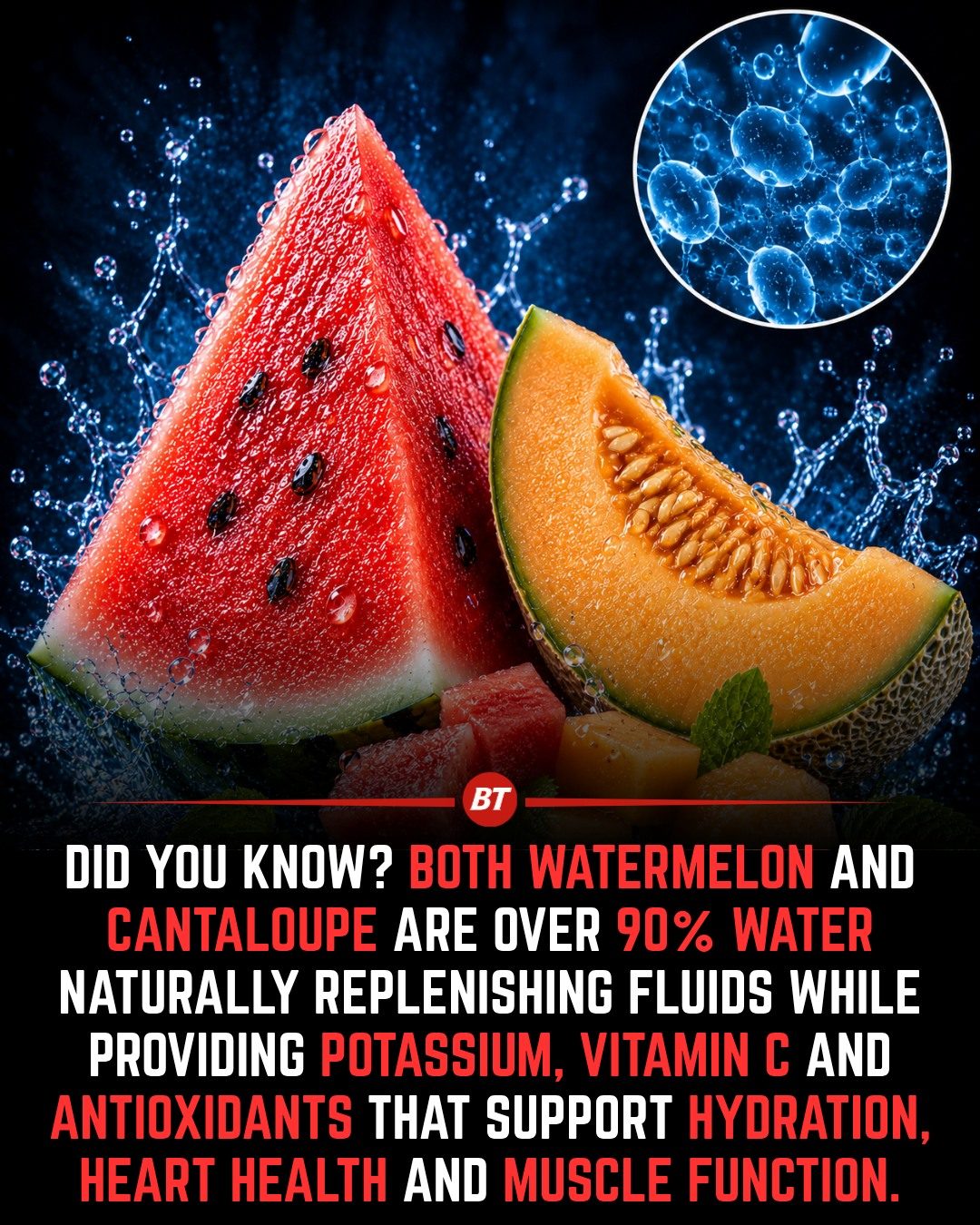
Watermelon and Cantaloupe: Nature's Best Hydration Solutions
Watermelon and cantaloupe are more than just refreshing summer fruits. These two fruits are nature's ultimate hydrators, providing much-needed hydration and essential nutrients that benefit the body.
Why This Matters
Hydration is a crucial aspect of maintaining overall health, and many people rely on water and sports drinks to meet their hydration needs. However, fruits like watermelon and cantaloupe offer a natural, nutrient-rich alternative. Understanding the benefits of these fruits can help you make better choices about what to eat and drink, especially during the summer or when engaging in physical activities.
Watermelon and Cantaloupe: Hydration Powerhouses
Watermelon and cantaloupe are over 90% water, making them some of the best natural sources of hydration. Both fruits help replenish fluids lost through heat, exercise, and sweating, ensuring your body remains well-hydrated.
There are two main types of watermelon: seeded and seedless. While both offer similar nutritional benefits, the seedless variety is often preferred for its convenience. Regardless of the type, watermelon's high water content makes it an excellent choice for staying hydrated.
Cantaloupe, another melon variety, is similarly hydrating. With about 90% of its weight coming from water, it's a fantastic option for refreshing snacks and meals.
Electrolytes and Nutrients: Beyond Just Water
Hydration is not just about water; it's also about electrolytes and nutrients that help your body retain and use water effectively. Both watermelon and cantaloupe are excellent sources of essential nutrients like potassium, vitamin C, and antioxidants, providing a natural way to replenish electrolytes and other nutrients.
Potassium
Potassium is an essential mineral that helps regulate fluid balance, supports healthy blood pressure, and allows your muscles and nerves to function properly. Even mild dehydration can disrupt your body's electrolyte balance, leading to fatigue, muscle cramps, and reduced physical performance. Watermelons and cantaloupe are rich in potassium, helping to maintain this balance.
Vitamin C
Vitamin C is another crucial nutrient found in both fruits. It supports collagen production, strengthens the immune system, and protects your cells from oxidative stress. Your body needs vitamin C to absorb iron and maintain healthy skin, blood vessels, and bones.
Antioxidants
Watermelon contains lycopene, a powerful antioxidant linked to heart health. Cantaloupe, on the other hand, is rich in beta-carotene, which your body converts into vitamin A to support healthy vision, skin, and immune function. These antioxidants help protect your cells from damage caused by harmful molecules called free radicals.
How to Incorporate Watermelon and Cantaloupe into Your Diet
There are numerous ways to incorporate these hydrating fruits into your daily meals and snacks. From simple fruit salads to smoothies and even savory dishes, the options are endless.
Refreshing Snacks
One easy way to enjoy these fruits is by slicing them into cubes and chilling them in the refrigerator. You can also add a squeeze of lime and fresh mint leaves for an extra refreshing twist. This snack is perfect for a hot summer day or after a workout.
Hydrating Smoothies
Blend watermelon and cantaloupe with ice, a splash of coconut water, and a drizzle of honey for a naturally hydrating smoothie. You can also add a handful of spinach or kale for extra nutrients and a touch of fresh berries for added flavor.
Savory Dishes
Watermelon and cantaloupe can also be used in savory dishes. For instance, you can add watermelon to a salad with feta cheese, red onions, and fresh herbs. Cantaloupe pairs well with prosciutto, balsamic glaze, and a sprinkle of fresh basil. These combinations add a refreshing twist to traditional dishes.
Practical Tips
To maximize the benefits of watermelon and cantaloupe, follow these practical tips:
- Choose Ripe Fruits: Look for fruits with a firm, unblemished skin and a sweet aroma. The stem end should yield slightly to gentle pressure, indicating ripeness.
- Store Properly: Store watermelon and cantaloupe in a cool, dry place. Once cut, store them in an airtight container in the refrigerator to prevent spoilage.
- Consume Fresh: While both fruits can be stored for a few days, they are best consumed fresh. This ensures you get the maximum nutritional benefits.
- Keep Hydrated: Enjoy these fruits as part of a balanced diet, and remember that while they are hydrating, they should complement, not replace, your water intake.
Important Takeaways
Watermelon and cantaloupe are powerful hydrators, packed with essential nutrients like potassium, vitamin C, and antioxidants. They support hydration, heart health, and muscle function, making them an excellent choice for staying hydrated naturally.
Conclusion
Incorporating watermelon and cantaloupe into your diet is a delicious and effective way to stay hydrated and nourished. These fruits not only help replenish lost fluids but also provide a wealth of nutrients that support overall health. By choosing these fruits, you're opting for a natural, nutrient-rich alternative to artificially flavored sports drinks and sugary snacks.
Watch the Reel
Questions readers ask
How do watermelon and cantaloupe aid in hydration?
Watermelon and cantaloupe are excellent hydrators because they are composed of over 90% water. This high water content helps replenish fluids in the body, making them ideal for staying hydrated during hot summer days or after physical activities. Additionally, they contain essential electrolytes and nutrients that support overall hydration.
What nutrients do watermelon and cantaloupe provide for hydration?
Both fruits are packed with essential nutrients that aid in hydration. Watermelon is rich in potassium, which is a crucial electrolyte for maintaining fluid balance. Cantaloupe provides an array of vitamins, including A and C, which support overall health and can enhance the body's ability to absorb and retain fluids.
Can watermelon and cantaloupe replace sports drinks during exercise?
Yes, for many people, watermelon and cantaloupe can serve as a natural alternative to conventional sports drinks. These fruits offer a refreshing way to replenish fluids and electrolytes lost during exercise. However, for intense or prolonged physical activities, you may need to supplement with additional electrolytes or carbohydrates.
What are some creative ways to incorporate watermelon and cantaloupe into a summer diet?
Watermelon and cantaloupe can be enjoyed in various ways to stay hydrated. Try slicing them into refreshing summer snacks, blending them into smoothies, or adding them to fruit salads. You can also create hydrating infusions by freezing them and letting them melt into water for a flavorful, hydrating beverage.
How do the antioxidants in watermelon and cantaloupe benefit hydration?
Antioxidants in watermelon and cantaloupe, such as lycopene and beta-carotene, help reduce inflammation and oxidative stress in the body. By supporting overall cell health, these antioxidants can enhance the body's ability to maintain proper hydration levels and recover from physical exertion.
What are some tips for maximizing hydration with watermelon and cantaloupe during summer?
To maximize hydration, consume watermelon and cantaloupe as part of a well-rounded diet that includes plenty of fluids. Enjoy them as snacks or incorporate them into meals. Additionally, consume these fruits before, during, or after physical activities to help replenish lost fluids and electrolytes.
Related deep dives
Similar reads based on topic and creator.




Recent articles
Fresh deep dives from the latest Reels we unpacked.




Comments
Be the first to comment.