Heart Transplant Journeys and the Power of Organ Donation
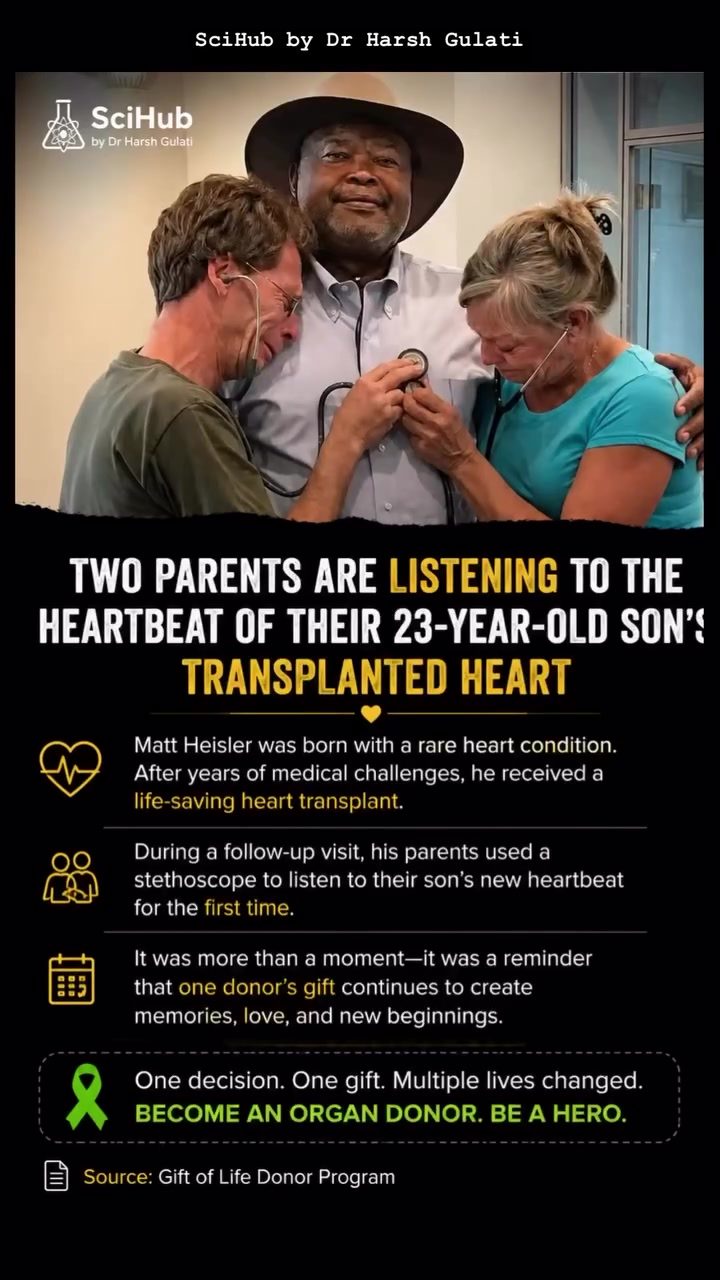
Hearing your child’s heartbeat again—inside someone else’s chest—is an experience both profoundly emotional and deeply humbling. This reality became a heartwarming moment for the parents of Matt Heisler, a 23-year-old born with a rare heart condition. After enduring years of medical challenges, Matt received a life-saving heart transplant from an organ donor. This transformative event not only underscored the miracles of modern medicine but also highlighted the profound impact of organ donation on the lives of recipients and their families.
The Journey to a New Heartbeat
Matt Heisler's journey began with a congenital heart condition that presented significant challenges from birth. His parents navigated a complex web of medical procedures and treatments, always hoping for a breakthrough. The turning point came when a generous organ donor made the selfless decision to donate a heart, providing Matt with a second chance at life.
The moment when Matt's parents listened to his new heartbeat with a stethoscope during a follow-up visit was more than a medical milestone; it was a poignant reminder of the power of organ donation. This simple act of listening to the new heartbeat encapsulated the essence of the gift—creating memories, love, and new beginnings for both the recipient and the donor's family. The emotional resonance of this moment underscores the depth of gratitude felt by Matt's family and serves as a reminder of the lives touched by organ donation.
Why Organ Donation Matters
Organ donation transcends the boundaries of medical intervention; it embodies the essence of human compassion and selflessness. Behind every donated organ is a family who, in their time of loss, chose to give someone else the gift of life. This act of generosity has the power to transform multiple lives, creating a ripple effect of hope and healing.
According to global health organizations like the Gift of Life Donor Program and the Organ Procurement and Transplantation Network (OPTN), one organ donor can save multiple lives and improve many more through tissue donation. Yet, the demand for organs far exceeds the supply, leaving thousands of patients around the world waiting for a life-saving transplant.
The Impact of Organ Donation
The impact of organ donation extends far beyond the medical procedures involved. It touches the lives of recipients, their loved ones, and even the donor's family. For Matt Heisler, the transplant meant not just a new heartbeat but also a new lease on life, filled with the potential for more memories and shared moments with his family. For the donor's family, the decision to donate their loved one’s organs brought a sense of solace and purpose, knowing that their loss had allowed another family to find hope.
The Power of Science, Medicine, and Compassion
The story of Matt Heisler and his heart transplant exemplifies how science, medicine, and human compassion work in tandem. Advances in medical technology have made organ transplants more viable, but it is the human element—the decision to donate—that completes the circle of life. One decision to become an organ donor can transform not just one life but many, creating a legacy of love and hope.
Practical Tips for Supporting Organ Donation
Understanding the Process
For those considering organ donation, understanding the process can alleviate some of the uncertainty. Organ donation is a regulated process overseen by organizations like the OPTN. Donors can specify which organs and tissues they wish to donate, and the process is coordinated to ensure that organs are matched with recipients in need.
Registering as an Organ Donor
Registering as an organ donor is a straightforward process. In many countries, individuals can register online or through a driver's license application. It is important to discuss your decision with family members to ensure that your wishes are honored.
Addressing Misconceptions
There are several misconceptions about organ donation that can deter people from becoming donors. For instance, some believe that their religion prohibits organ donation, but most major religions support it as an act of charity. Others worry about the cost or impact on their family, but it is important to note that organ donation is typically covered by the recipient's insurance, and the donor's family is not responsible for medical expenses.
Sharing Your Decision
Sharing your decision to become an organ donor can inspire others to follow suit. By talking openly about the benefits of organ donation, you can raise awareness and encourage more people to support this life-saving cause.
Important Takeaways
The story of Matt Heisler and his heart transplant serves as a powerful reminder of the significance of organ donation. It highlights the following key points:
- Organ donation has the power to transform multiple lives, creating memories, love, and new beginnings.
- The decision to become an organ donor is a deeply personal and impactful act of compassion.
- Understanding the process and addressing misconceptions can make organ donation more accessible and less daunting.
- Sharing your decision to become an organ donor can inspire others and raise awareness about the importance of this life-saving act.
Conclusion
The journey of Matt Heisler and his heart transplant is a testament to the incredible impact of organ donation. It underscores the transformative power of medical science, the resilience of the human spirit, and the selfless act of organ donation. By choosing to become an organ donor, you can give someone the gift of a new heartbeat and a new beginning. This decision not only honors the memory of the donor but also creates a lasting legacy of hope and healing.
Watch the Reel
Questions readers ask
What inspired Matt Heisler’s parents to share their son’s heart transplant story?
Matt's parents were deeply moved by the emotional experience of hearing their son's new heartbeat after his life-saving transplant. They wanted to share their journey to inspire others and highlight the significance of organ donation.
How did Matt Heisler’s rare heart condition affect his life?
Matt was born with a rare heart condition that presented significant challenges from birth. This condition required extensive medical care and ultimately led to his life-saving heart transplant at the age of 23.
What role did organ donation play in Matt Heisler’s heart transplant story?
Organ donation was crucial in Matt's journey. He received a new heart from a generous donor, which transformed his life and underscored the profound impact of organ donation on recipients and their families.
How can hearing a new heartbeat after a transplant be an emotional experience for families?
Hearing a child’s heartbeat again, even if it’s inside someone else’s chest, is a profound and humbling experience. It brings a mix of relief, joy, and gratitude, reinforcing the power of organ donation and the medical miracles that make it possible.
What can families expect during the organ donor journey?
The organ donor journey involves a range of emotions, from the initial decision to donate organs and the wait for a suitable match, to the transformative moment of the transplant itself. It's a pathway filled with hope, uncertainty, and ultimately, profound gratitude for the gift of life.
How can I become an organ donor and support stories like Matt Heisler’s?
Becoming an organ donor is a straightforward process. You can register online through your state's donor registry, check “organ donor” on your driver's license, and discuss your decision with your family. This ensures your wishes are known and honored, potentially saving lives and creating powerful stories of hope.
What are some of the medical miracles associated with heart transplants?
Medical miracles in heart transplants include the ability to replace a failing heart with a healthy one, extending and improving the recipient's life. Advances in surgical techniques and post-transplant care have made these procedures increasingly successful, offering new hope to patients with severe heart conditions.
Related deep dives
Similar reads based on topic and creator.


Recent articles
Fresh deep dives from the latest Reels we unpacked.




Comments
Be the first to comment.