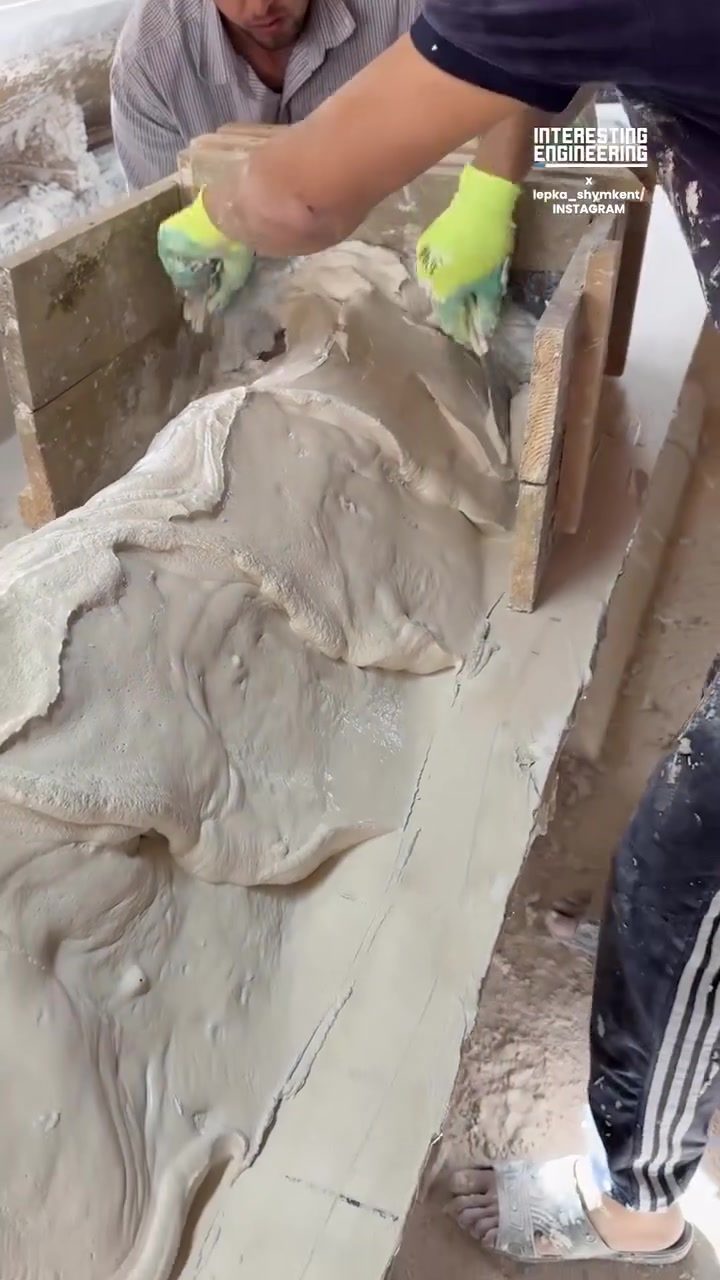
Stucco Application: A Showcase of Skill and Craftsmanship
Stucco is a versatile and durable material widely used in construction for its aesthetic and protective qualities. Whether applied to walls, columns, or other architectural features, stucco can transform a building's exterior with a unique, textured finish. The process of applying stucco is both an art and a science, requiring precision and skill to achieve the desired effect.
Why This Matters
Stucco has been a staple in construction for centuries, with its origins tracing back to ancient Greek and Roman civilizations. Today, it remains popular for its durability, resistance to fire and pests, and the wide range of finishes it can achieve. Understanding the techniques and materials involved in stucco application can help homeowners and contractors make informed decisions about their construction and renovation projects.
Stucco Application Techniques
The Art of Casting
The process of casting a decorative architectural column by hand is a testament to the skill of artisans. This technique involves packing wet gypsum plaster into a long wooden mold. The material is carefully layered, shaped, and screeded to precise profiles. This meticulous process ensures that the stucco sets correctly, revealing crisp classical fluting after demolding. The result is a beautifully crafted column with intricate details that enhance the architectural appeal of any building.
Applying Stucco to Walls
When applying stucco to a wall, the process begins with the preparation of the surface. The wall is typically covered with a scratch coat, a thin layer of stucco that provides a rough surface for the subsequent layers to adhere to. Once the scratch coat is dry, a brown coat is applied, followed by a final finish coat. Each layer is carefully smoothed and shaped using a trowel, ensuring a uniform and aesthetically pleasing finish. The technique demonstrated in the video shows a worker using a trowel to shape and smooth the stucco, creating a decorative pattern on the wall.
Decorative Stucco Work
Decorative stucco work adds a unique touch to any structure. This type of stucco application requires a high level of skill and precision. Artisans use various tools and techniques to create intricate patterns and textures. The decorative stucco work often involves layering, shaping, and screeding the material to precise profiles, similar to the process of casting an architectural column. The result is a stunning finish that can mimic classical fluting or any other desired design.
Practical Tips
Choosing the Right Stucco Mix
The quality of the stucco mix is crucial for a successful application. Choose a mix that is specifically designed for the type of finish you want to achieve. For example, a mix with a higher Portland cement content is ideal for a smooth finish, while a mix with a higher lime content is better for a rough, textured finish. Always follow the manufacturer's instructions for mixing and application to ensure the best results.
Preparing the Surface
Surface preparation is a critical step in the stucco application process. Ensure that the surface is clean, dry, and free of any contaminants. Apply a bonding agent to the surface to improve adhesion. If you are applying stucco over an existing surface, make sure it is structurally sound and can support the weight of the stucco.
Applying the Scratch Coat
The scratch coat is the first layer of stucco applied to the surface. It should be thin and rough, providing a good base for the subsequent layers. Use a 3/4- to 1-inch scratch coat, and apply it evenly. Once the scratch coat is dry, scratch it with a broom or a rake to create a rough surface for better adhesion.
Using the Right Tools
Using the right tools can make a significant difference in the quality of the stucco finish. A trowel is essential for shaping and smoothing the stucco. Choose a trowel that is comfortable to hold and has a smooth edge for better control. Other tools like a hawk, a plastering brush, and a float can also be useful for different stages of the application process.
Finishing Touches
The final finish coat is what gives the stucco its aesthetic appeal. Apply the finish coat smoothly and evenly, using long, even strokes with the trowel. Allow the finish coat to set, and then use a float or a sponge to create the desired texture. Remember that the finish coat should be applied as thinly as possible to avoid cracking.
Important Takeaways
Stucco application is a skillful process that combines art and technique. The process of casting a decorative architectural column and applying stucco to walls showcases the precision and craftsmanship required for a successful application. Understanding the various techniques and materials involved can help you achieve the desired finish, whether you are a homeowner looking to enhance your property or a contractor working on a construction project.
Conclusion
Stucco is a versatile and durable material that can add both aesthetic and protective value to any building. By mastering the techniques and using the right materials, you can achieve a beautiful, long-lasting finish. Whether you are creating a decorative architectural column or applying stucco to a wall, the skill and precision required for this process are evident in the final product. Embrace the art of stucco application, and elevate your construction or renovation projects to new heights.
Watch the Reel
Questions readers ask
What are the key steps in creating classical stucco columns?
Creating classical stucco columns involves several key steps. First, a sturdy framework, often made of wood or metal, is constructed to shape the column. Next, a base coat of stucco is applied, followed by a layer of fiberglass mesh for reinforcement. Finally, the surface is smoothed and the classical design details are sculpted before applying a finishing layer.
How do you prepare a surface for stucco application on walls?
Preparing a surface for stucco application involves cleaning the wall to remove any dirt, grease, or loose material. Any imperfections should be repaired, and the surface should be primed with a suitable adhesive to enhance the bond between the wall and the stucco. Drainage should be made sure of, to prevent any moisture from getting trapped, which can cause damage to the stucco and the surface beneath it.
What are some common stucco layering techniques?
Common stucco layering techniques include the 'scratch coat' method, which involves applying a rough, textured layer that helps the next layer adhere, and the 'brown coat' method, which involves a smoother layer applied over the scratch coat. The final layer, known as the 'finish coat,' is applied last and can be textured or left smooth, depending on the desired aesthetic.
Can stucco be applied to old walls during a renovation?
Yes, stucco can be applied to old walls during a renovation, but proper preparation is crucial. The old wall should be thoroughly cleaned, and any damaged areas should be repaired. Applying a bonding agent can help the new stucco adhere better to the old surface. Additionally, moisture barriers can be used to prevent any potential damage from moisture.
What are some popular stucco decorating ideas for architectural features?
Popular stucco decorating ideas include creating textured finishes like a knock-down, also known as a Santa Barbara finish, or a smooth finish for a polished look. Adding classical elements like corbels, keystones, or decorative moldings can enhance architectural features. Additionally, color can be added to the stucco, and paint can be applied for a more customized look.
What tools are typically used in stucco plastering?
Typical tools used in stucco plastering include hawks and trowels for applying and smoothing the stucco, float tools for creating textures, and darbies or scratcher tools for scoring the surface. Mixing tools, such as a drill with a mixing paddle, are also essential for preparing the stucco mixture.
How does stucco application contribute to the longevity of a building's exterior?
Stucco application contributes to the longevity of a building's exterior by providing a durable, protective layer that resists fire, pests, and weathering. Properly applied stucco can prevent moisture intrusion, reducing the risk of mold and structural damage. Additionally, the aesthetic appeal of stucco can enhance the building's curb appeal, making it a valuable investment.
Recent articles
Fresh deep dives from the latest Reels we unpacked.




Comments
Be the first to comment.