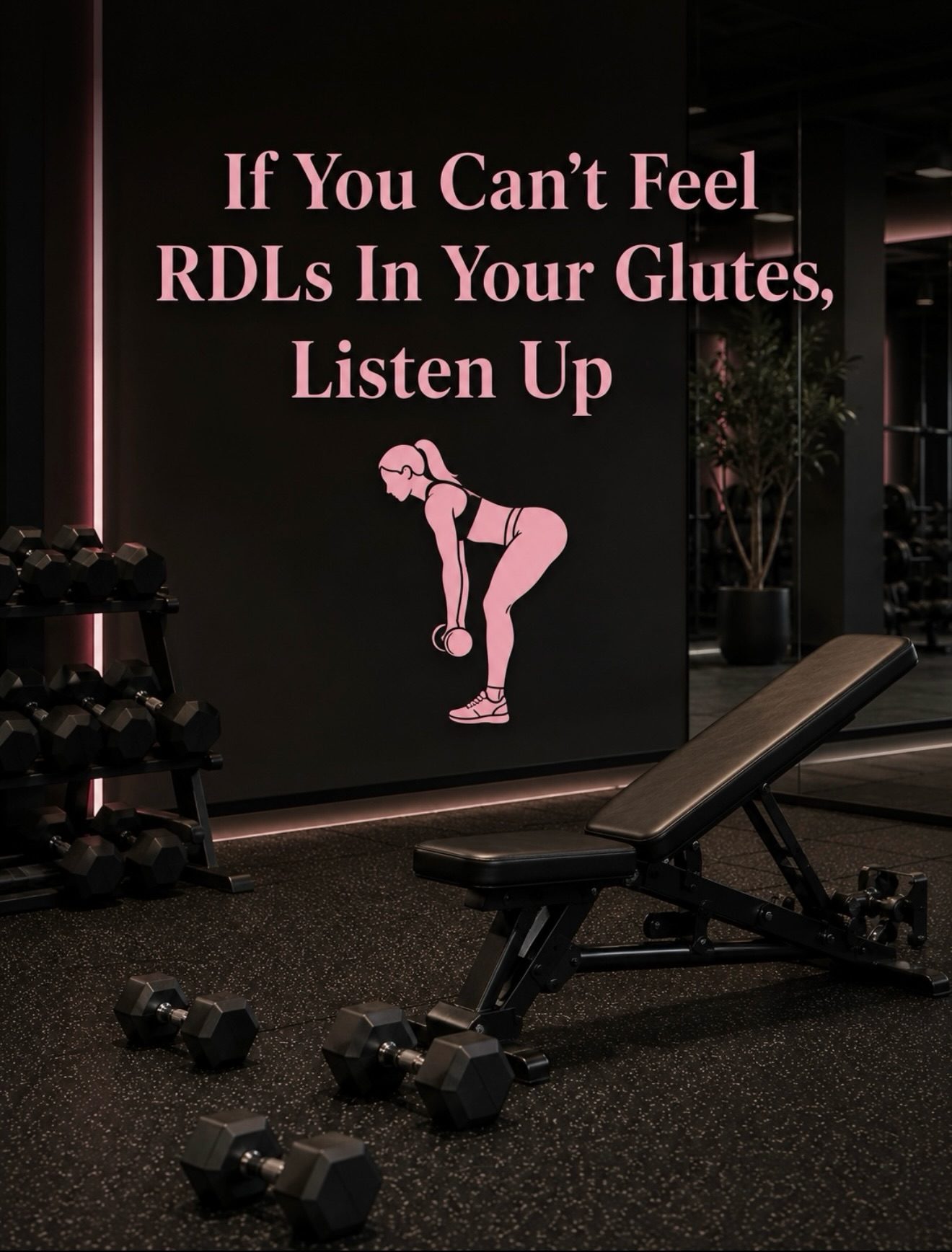
Romanian Deadlifts: Maximizing Glute Activation
Romanian Deadlifts (RDLs) are a staple in many fitness routines, renowned for their effectiveness in strengthening and building the glutes. However, many exercisers struggle to feel the exercise in their glutes, often experiencing more tension in their lower back or hamstrings. Proper setup and technique are crucial for targeting the glutes effectively. This guide will walk you through the essential aspects of RDLs, from grip and posture to the bottom position, ensuring you maximize glute activation and avoid common mistakes.
Why This Matters
Correctly performing RDLs can significantly enhance your glute development. This exercise is not just about lifting weights; it's about engaging the right muscles and maintaining proper form. By focusing on the details, you can transform RDLs from a lower back and hamstring workout into a powerful glute exercise. This shift not only improves muscle growth but also helps prevent injuries and ensures a more efficient workout.
Main Discussion
Understanding the RDL Form
The Starting Position
The foundation of a good RDL begins with your stance and grip. Standing with your feet shoulder-width apart and a slight bend in your knees provides a stable base. Your grip should be double overhead, with hands just outside your thighs. This overhead grip helps maintain control and stability throughout the movement.
Neutral Spine and Engaged Core
Maintaining a neutral spine is crucial. An arched or rounded back can put unnecessary strain on your lower back, shifting the focus away from your glutes. Engage your core to keep your spine long and strong. Think of your spine as a straight line from your neck to your tailbone.
The Hip Hinge
One of the most critical aspects of RDLs is the hip hinge. Instead of bending your knees to lower the weight, focus on pushing your hips back. Imagine closing a car door with your glutes. This action ensures that your glutes and hamstrings do the work, rather than your lower back.
The Bottom Position
Feeling the Stretch
The bottom position of the RDL is where you should feel the most stretch in your glutes and hamstrings. Stop when your back is flat and neutral, your knees bend slightly more, and your hips are pushed back. This is the "stretch zone" where you should feel the tension in your glutes and hamstrings, not your lower back. If you feel tension shifting to your lower back, you've gone too far.
Quality Over Depth
Depth varies from person to person, so don't force a range of motion that feels uncomfortable. The goal is to create maximum tension in your glutes, not to touch the floor. A smaller range of motion with perfect technique will always be more effective than a larger range with poor control.
The Top Position
At the top of the movement, drive through your heels and squeeze your glutes. Stand tall, but avoid leaning backward. This ensures that you maintain tension in your glutes throughout the entire movement.
Common Mistakes to Avoid
A common mistake is leaning too far forward, which shifts the tension to your lower back. To avoid this, ensure your posture is correct before focusing on the movement. Another mistake is not engaging your core, which can lead to a rounded back and unnecessary strain on your lower back. Remember, the goal is to create maximum tension in your glutes, not to lift the heaviest weight or go the deepest.
Workit App: Your Fitness Companion
The Workit app is a comprehensive fitness tool designed to help you track your progress and stay motivated. It allows you to log your workouts, monitor calorie intake, and even earn rewards for maintaining healthy habits. The app's features, such as workout tracking, nutrition monitoring, and body progress tracking, make it an invaluable resource for anyone looking to build stronger glutes and improve their overall fitness.
The Hip Hinge
The hip hinge is a fundamental movement pattern that involves bending at the hips while keeping the spine neutral. Mastering this movement ensures that you engage your glutes and hamstrings effectively. To practice the hip hinge, start by standing tall with your feet shoulder-width apart. Keeping your back straight, push your hips backward as if you're closing a car door. Keep pushing your hips back until you feel the stretch in your glutes and hamstrings.
The Importance of Posture
Good posture protects your lower back and helps you feel the work where it matters—your glutes. By setting your posture correctly before focusing on the movement, you ensure that your spine remains neutral and your core is engaged. This setup allows you to maintain control throughout the exercise, maximizing glute activation.
Practical Tips
Setting Up for Success
- Stance and Grip: Begin with a stable stance and a slight bend in your knees. Use a double overhead grip, with hands just outside your thighs.
- Neutral Spine: Engage your core to keep your spine long and strong. Avoid arching or rounding your back.
- Hip Hinge: Push your hips back, thinking of closing a car door with your glutes. This ensures that your glutes and hamstrings do the work.
- Bottom Position: Stop when you feel the stretch in your glutes and hamstrings. Avoid going too deep, as this can shift tension to your lower back.
- Top Position: Drive through your heels and squeeze your glutes at the top. Stand tall, but don't lean backward.
Troubleshooting Common Issues
- Lower Back Pain: If you feel tension in your lower back, reduce the weight and focus on mastering the hip hinge. Slow down the tempo to ensure proper form.
- Hamstring Dominance: If you feel the exercise more in your hamstrings, focus on pushing your hips back further and engaging your glutes more.
- Loss of Balance: If you struggle with balance, ensure your stance is stable and your core is engaged. Using a lighter weight can also help you focus on form.
Important Takeaways
Proper form and technique are essential for maximizing glute activation during RDLs. By focusing on your grip, posture, and the hip hinge, you can ensure that your glutes do most of the work. Remember, quality over depth is key. A smaller range of motion with perfect technique will always be more effective than a larger range with poor control. Utilizing tools like the Workit app can also help you track your progress and stay motivated.
Conclusion
Mastering the Romanian Deadlift requires attention to detail and a focus on proper form. By understanding the importance of posture, grip, and the hip hinge, you can transform RDLs into a powerful glute exercise. Remember, the goal is not just to lift weights but to create maximum tension in your glutes. With consistent practice and the right technique, you can build stronger, fuller glutes and improve your overall fitness.
Watch the Reel
Questions readers ask
What is the correct stance for performing Romanian Deadlifts?
The correct stance for Romanian Deadlifts is feet shoulder-width apart, with toes slightly pointed out. This stance provides a stable base and helps maintain balance throughout the movement. Keeping your feet flat on the ground ensures proper force distribution and minimizes the risk of injury.
How can I ensure I'm engaging my glutes during RDLs?
To engage your glutes effectively, focus on the hip hinge movement. Keep a slight bend in your knees and push your hips back as you lower the weight. Maintain a neutral spine and squeeze your glutes at the top of the movement to maximize activation. This ensures that your glutes, not your lower back or hamstrings, are doing most of the work.
What is the difference between Romanian Deadlifts and other types of deadlifts?
Romanian Deadlifts differ from other deadlifts, such as conventional or sumo deadlifts, primarily in the range of motion and muscle emphasis. RDLs involve a hip hinge with a slight knee bend, targeting the glutes and hamstrings more than the lower back. In contrast, conventional deadlifts focus more on overall posterior chain development, including the lower back.
Why do I feel more tension in my lower back during RDLs?
Feeling tension in your lower back during RDLs often indicates improper form. To correct this, ensure you maintain a neutral spine throughout the movement and avoid rounding your back. Focus on keeping the weight close to your body and pushing your hips back as you lower the weight. This helps shift the emphasis from your lower back to your glutes and hamstrings.
How can I increase the effectiveness of RDLs for glute growth?
To increase the effectiveness of RDLs for glute growth, focus on performing the exercise with full range of motion and controlled movements. Start with lighter weights to master the form, then gradually increase the weight as you become more comfortable. Incorporating exercises that focus on the hip hinge and maintaining tension throughout the movement will help you achieve optimal results.
What is the correct grip for Romanian Deadlifts?
The correct grip for Romanian Deadlifts is an overhand grip, with hands shoulder-width apart on the barbell. This grip allows for better control and stability during the movement. For heavier weights, consider using an underhand grip or a mixed grip to enhance your grip strength and prevent the bar from rolling out of your hands.
Why is maintaining a neutral spine important during RDLs?
Maintaining a neutral spine during RDLs is crucial because it helps distribute the load evenly across your back and prevents excessive strain on your lower back. A neutral spine also ensures that your glutes and hamstrings are engaged throughout the movement, maximizing their development. To maintain a neutral spine, keep your chest up, shoulders back, and avoid rounding or arching your back.
Recent articles
Fresh deep dives from the latest Reels we unpacked.



Comments
Be the first to comment.