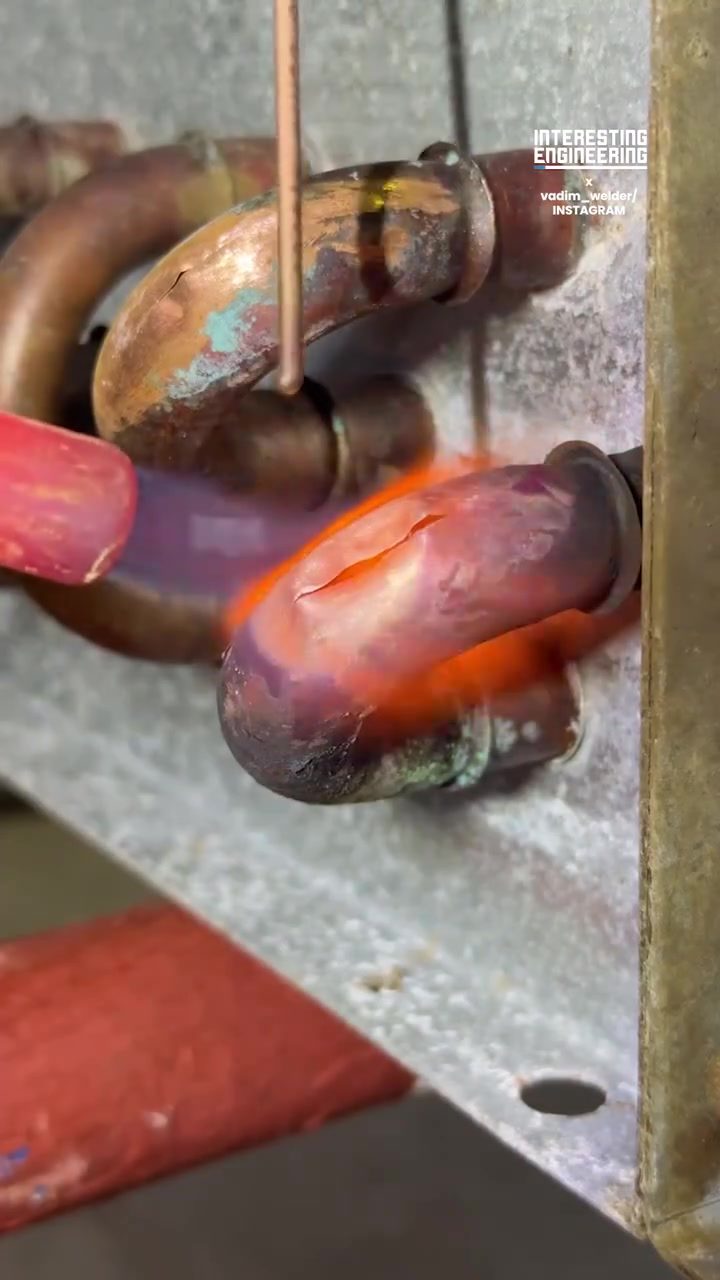
Radiator Welding: Creating Strong, Leak-Free Bonds
Joining metal pieces to repair or build radiators requires precision and the right tools. Welding radiator joints involves more than just heat; it demands careful preparation and controlled application of filler materials. Let’s explore the process of soldering a radiator joint using a kastolin rod and controlled flame, ensuring a strong, clean, and leak-free bond.
Why This Matters
Radiators are crucial components in various systems, from automotive to industrial applications. A leaky radiator can lead to significant problems, including system failure and potential safety hazards. Mastering the art of welding radiator joints is essential for maintaining the integrity and efficiency of these systems. Understanding the techniques and tools involved can help both professionals and DIY enthusiasts achieve reliable and durable repairs.
Main Discussion
The Importance of Preparation
Before applying heat, the joint area must be thoroughly cleaned and degreased. Any contamination can compromise the strength of the weld, leading to leaks. Cleaning and degreasing ensure that the filler material bonds effectively with the metal surfaces.
Choosing the Right Equipment
- Kastolin Rod: This is the filler material used to join the metal pieces. Kastolin rods are designed to flow smoothly when heated, creating a strong bond.
- MAP Gas or Oxypropane: These gases provide the controlled heat necessary for welding. The flame must be carefully adjusted to ensure it is neither too hot nor too cold, as this can affect the quality of the weld.
The Welding Process
Welding a radiator joint involves several critical steps:
- Cleaning and Degreasing: Ensure the joint area is free of dirt, grease, and oxides. This step is crucial for achieving a strong bond.
- Flame Adjustment: Adjust the flame to a controlled temperature using MAP gas or oxypropane. The flame should be stable and consistent.
- Applying the Kastolin Rod: Hold the kastolin rod at the correct angle and apply it to the joint. The rod should melt smoothly, filling the joint and creating a strong, leak-free bond.
Key Techniques for Successful Welding
- Proper Flame Adjustment: Controlling the flame is essential. Too much heat can cause the metal to warp or burn, while too little heat may not melt the filler material properly.
- Smooth Filler Flow: The kastolin rod should flow smoothly into the joint. Any interruptions or irregularities can weaken the bond and lead to leaks.
- Precision and Artistry: Welding radiator joints requires precision and skill. The welder must carefully control the torch and filler material to create a strong, durable weld.
Creating a Leak-Free Bond
Achieving a leak-free bond is the ultimate goal of welding radiator joints. This involves:
- Ensuring the joint area is clean and degreased.
- Using controlled heat from MAP gas or oxypropane.
- Applying the kastolin rod smoothly and evenly.
- Allowing the weld to cool properly to prevent warping or cracking.
Practical Tips
Choosing the Right Filler Material
When selecting a filler material, consider the type of metal and the specific application. Kastolin rods are suitable for many radiator welding projects, but other materials may be more appropriate depending on the situation. Always opt for high-quality filler materials to ensure durability and reliability.
Maintaining Proper Flame Control
Consistent flame control is key to successful welding. Practice adjusting the flame to achieve the right temperature and stability. Too much heat can cause the metal to warp or burn, while too little heat may not melt the filler material properly.
Cleaning and Degreasing
Thoroughly clean and degrease the joint area before welding. Use appropriate solvents and tools to remove dirt, grease, and oxides. This step is crucial for achieving a strong bond and preventing leaks.
Practice and Precision
Welding requires practice and precision. Take your time to master the techniques and tools involved. With experience, you'll develop the skills needed to create strong, leak-free bonds consistently.
Safety First
Always prioritize safety when welding. Wear appropriate protective gear, including gloves, goggles, and a welding helmet. Ensure proper ventilation and follow all safety guidelines to prevent accidents and injuries.
Important Takeaways
Welding radiator joints is a skilled process that requires careful preparation, the right equipment, and precise techniques. By following the steps outlined above, you can achieve strong, leak-free bonds that ensure the longevity and reliability of your radiator system. Key takeaways include:
- Thorough cleaning and degreasing of the joint area.
- Proper flame adjustment using MAP gas or oxypropane.
- Smooth application of the kastolin rod.
- Practice and precision in welding techniques.
Understanding these principles will help you master radiator welding and achieve reliable results.
Conclusion
Mastering the art of welding radiator joints involves precision, skill, and the right tools. By following the techniques and tips outlined, you can achieve strong, leak-free bonds that ensure the reliability and durability of your radiator system. Whether you're a professional or a DIY enthusiast, understanding these fundamentals will help you excel in your welding projects.
Watch the Reel
Questions readers ask
What is a Kastolin rod and why is it suitable for radiator welding?
A Kastolin rod is a type of welding rod designed for joining metal pieces, particularly in radiator repair. It is suitable for radiator welding due to its composition, which ensures a strong and clean bond, minimizing the risk of leaks. The rod's flux core helps to clean the metal surface during welding, promoting better adhesion and a more durable weld.
What are the key steps in preparing a radiator for welding?
Before welding, thoroughly clean the radiator, removing any debris, grease, or oxidation. Cut any damaged or corroded sections with a pipe cutter or hacksaw. Ensure you have a clean, flat surface to create a smooth weld, and avoid any contamination that could weaken the bond.
Why is controlled heat important when welding radiator joints?
Controlled heat is vital in radiator welding to prevent damaging the radiator material and to ensure proper bonding. Excessive heat can warp the metal or melt the solder joints, causing leaks and weakness in the bond. By controlling the heat, you can carefully apply the Kastolin rod, forming a strong, leak-proof weld.
How can I ensure my welds are leak-free?
To ensure leak-free welds, clean and prepare the metal surfaces properly, use a controlled heat source, and apply the Kastolin rod evenly. Inspect the weld for any visible defects or inconsistencies, and use a pressure test to check for leaks. Additionally, allow the weld to cool gradually to prevent cracking.
Can I use a Kastolin rod for other types of metal welding?
Kastolin rods are primarily designed for soldering radiators, but they can be used for other metal welding projects where similar materials and conditions are present. However, for optimal results, it's best to use Kastolin rods for radiator repairs and other suitable metals like copper and brass. Always consider the specific requirements of your project.
What safety precautions should I take when welding a radiator?
When welding a radiator, always wear appropriate safety gear, including welding gloves, a face shield, and protective clothing. Ensure proper ventilation to avoid inhaling fumes, and work in a well-ventilated area. Keep a fire extinguisher nearby and handle the radiator with care to prevent injuries from hot surfaces or sharp edges.
What tips can you give when welding radiator joints for the first time?
When welding radiator joints for the first time, practice on scrap pieces to get a feel for the process. Use a controlled, low heat setting to avoid overheating, and apply the Kastolin rod with a steady hand and even pressure. Take breaks to allow the weld to cool gradually before continuing, and always inspect the weld for strength and cleanliness.
Recent articles
Fresh deep dives from the latest Reels we unpacked.




Comments
Be the first to comment.