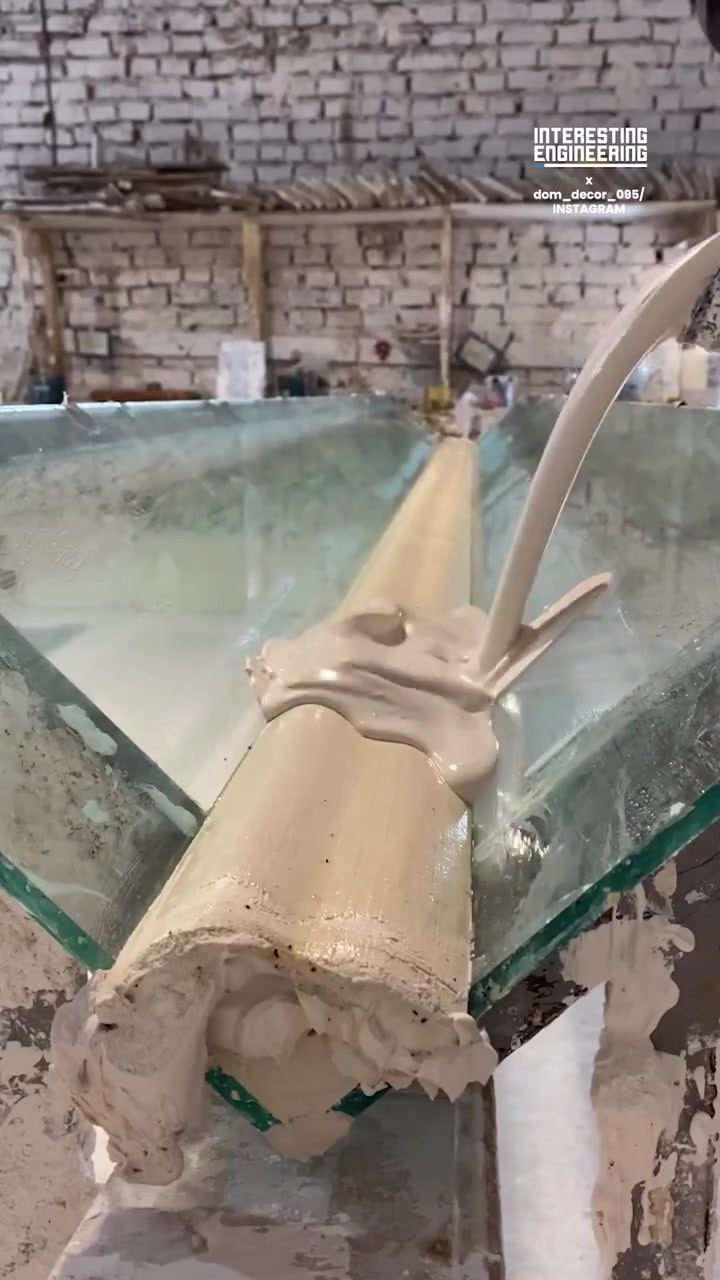
Plaster Molding: Creating Ornate Cornice Designs
Plaster molding is a traditional technique used to create intricate and ornate decorative elements for interiors. This process involves applying and shaping plaster inside a mold to produce consistent and detailed designs, such as cornice moldings. The result is a beautiful, hand-crafted finish that adds elegance and character to any space.
Context / Why This Matters
Plaster molding is more than just a decorative technique; it's a craft that combines artistry and precision. In an era dominated by mass-produced, uniform decorations, hand-crafted plaster moldings offer a unique, personalized touch. These moldings can transform plain walls into architectural masterpieces, enhancing the aesthetic appeal of both residential and commercial spaces. Understanding the process of creating these moldings can help homeowners and interior designers make informed decisions about incorporating this timeless element into their projects.
Main Discussion
The Art of Plaster Molding
Plaster molding is a meticulous process that requires skill and patience. The process begins with the selection of the right materials. High-quality plaster is essential for achieving a smooth, durable finish. The plaster is applied to a mold, which serves as a guide for shaping the design. The mold can be made from various materials, including wood, metal, or even 3D-printed forms, depending on the complexity and intricacy of the design.
The next step involves carefully shaping the plaster within the mold. Tools such as trowels, spatulas, and brushes are used to ensure that the plaster conforms perfectly to the mold's contours. This step requires a steady hand and a keen eye for detail, as any imperfections in the shaping process will be visible in the final product.
Creating Ornate Cornice Designs
Cornice moldings are a classic example of decorative plasterwork. They are typically used to enhance the transition between walls and ceilings, adding a touch of sophistication to any room. The process of creating ornate cornice designs involves several key steps:
-
Design Selection: The first step is to choose a design that complements the overall aesthetic of the room. Traditional cornice designs often feature intricate patterns and scrollwork, but modern designs can be sleek and minimalist.
-
Mold Preparation: Once the design is selected, a mold is prepared. This mold will serve as the template for the plaster. It is crucial to ensure that the mold is clean and free of any debris that could mar the finished product.
-
Plaster Application: The plaster is then applied to the mold. This step requires careful control to avoid air bubbles and ensure an even distribution of the material. The plaster is left to set for a specific period, depending on the type of plaster and the desired finish.
-
Shaping and Detailing: After the plaster has set, it is carefully removed from the mold. The excess material is trimmed away, and any imperfections are smoothed out. This step involves a lot of handwork, using tools to shape and refine the design.
-
Finishing Touches: Once the basic shape is achieved, the molding is allowed to dry completely. Additional layers of plaster or paint may be applied to achieve the desired finish. Sanding and polishing are often the final steps, giving the molding a smooth, glossy surface.
Traditional Techniques
Plaster molding is steeped in tradition, with many of the techniques used today dating back centuries. These traditional methods rely on the craftsmanship of the artisan and the quality of the materials. While modern tools and techniques have made the process more efficient, the core principles remain the same. This dedication to tradition is what sets hand-crafted plaster moldings apart from mass-produced alternatives.
Practical Tips
Creating plaster moldings can be a rewarding project, but it requires a bit of know-how. Here are some practical tips to help you get started:
Gather the Right Tools
Before you begin, ensure you have the necessary tools. These include:
- Plaster
- Molds (wood, metal, or 3D-printed)
- Trowels and spatulas
- Brushes
- Sandpaper
- Polishing materials
Select High-Quality Materials
The quality of your materials will significantly impact the final product. Invest in high-quality plaster and molds to ensure a smooth, durable finish.
Practice Makes Perfect
Plaster molding is a skill that improves with practice. Don't be discouraged if your first attempts aren't perfect. Keep practicing, and you'll develop the precision and control needed to create beautiful, intricate designs.
Work in a Controlled Environment
Plaster work requires a controlled environment to ensure consistent results. Maintain a steady temperature and humidity level to prevent cracks and warping.
Take Your Time
Rushing the process can lead to mistakes. Take your time with each step, from applying the plaster to shaping and finishing. Patience and attention to detail are key to achieving a professional-looking result.
Important Takeaways
Plaster molding is a versatile and timeless technique for adding elegance and character to interiors. Whether you're a DIY enthusiast or a professional interior designer, understanding the art of plaster molding can open up a world of creative possibilities. By following traditional techniques and taking the time to perfect your craft, you can create stunning, hand-crafted decorative elements that will stand the test of time.
Conclusion
Plaster molding is more than just a decorative technique; it's a craft that combines artistry, precision, and tradition. By mastering the techniques of applying and shaping plaster inside a mold, you can create ornate cornice designs that add a touch of sophistication to any space. Whether you're looking to enhance a residential or commercial interior, plaster molding offers a unique, personalized touch that is unmatched by mass-produced alternatives. Embrace the art of plaster molding and transform your spaces into architectural masterpieces.
Watch the Reel
Recent articles
Fresh deep dives from the latest Reels we unpacked.




Comments
Be the first to comment.