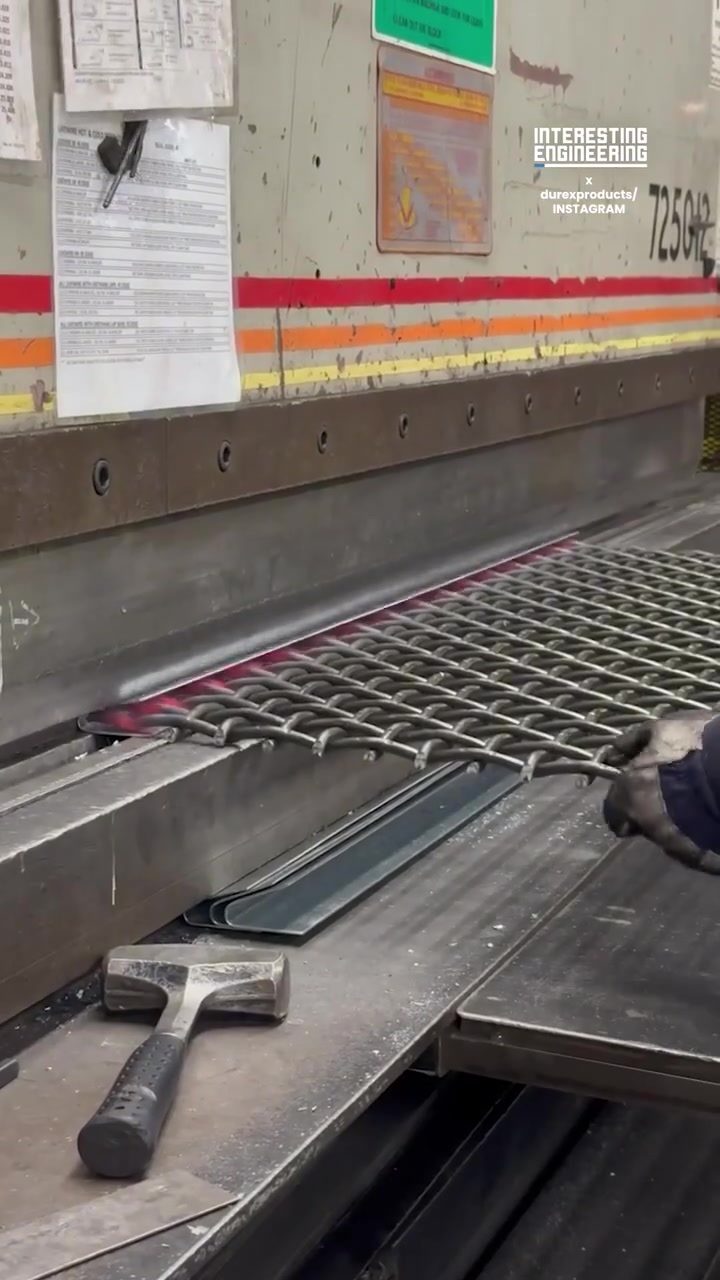
Metal Shearing and Wire Cloth Screens
Metal shearing is a fundamental process in metalworking, particularly in shaping and cutting materials for various industrial applications. When performed correctly, this technique ensures precise and efficient cutting, crucial for maintaining the integrity of the product.
Context / Why this matters
Understanding the intricacies of metal shearing and the production of wire cloth screens is essential for professionals in the manufacturing, engineering, and industrial sectors. These processes are critical in creating durable and high-quality materials that are used in a wide range of applications, from filtering and screening to construction and machinery.
Main discussion
The Metal Shearing Process
Metal shearing involves cutting metal sheets or plates into desired shapes. This process typically utilizes a metal shear, a heavy-duty industrial machine designed to cut through metal with precision and force. The process usually begins with a worker activating the shear mechanism, often with a hammer. This activation forces the shear to descend, cutting through the metal. The grid-like structure of the shear helps ensure that the cut is straight and even.
The Role of the Press Brake
The production of wire cloth screens involves a different but equally important process: the use of a press brake. This equipment is essential in shaping and securing the hooks of the wire cloth, ensuring the screen is properly tensioned and fits correctly. The process begins with heating the wire cloth, which makes it more malleable for shaping. The press brake then shapes the hook, securing the tension and ensuring a proper fit. This step is critical for maintaining the durability and functionality of the wire cloth screen.
Applications of Wire Cloth Screens
Wire cloth screens are used in a variety of applications, including:
- Filtration: Wire cloth screens are often used in filtration systems to separate solids from liquids or gases.
- Screening: In various industries, wire cloth screens are utilized for screening and sorting materials based on size.
- Construction: Wire cloth screens are used in construction for reinforcement and support in various structures.
- Machinery: These screens are integral components in many types of machinery.
Materials and Design
Wire cloth screens are typically made from durable materials such as stainless steel, which is resistant to corrosion and rust. The design of these screens can vary depending on the application. For example, the mesh size of the wire cloth can be adjusted to control the filtration and screening capabilities. The screening process ensures that the screens are designed to withstand high pressure and stress, making them ideal for industrial use.
Practical tips
Maintaining Metal Shears
To ensure the longevity and efficiency of a metal shear, regular maintenance is essential. Here are some practical tips for maintaining a metal shear:
- Regular Lubrication: Ensure that the moving parts of the shear are well-lubricated to prevent excessive wear and tear.
- Cleaning: Regularly clean the shear to remove any metal dust or debris that can accumulate and affect its performance.
- Inspection: Periodically inspect the shear for any signs of damage or wear. Replace any worn-out parts promptly.
Maximizing the Efficiency of Wire Cloth Screens
Wire cloth screens are crucial for various industrial applications, and their efficiency can be maximized with proper care and maintenance:
- Choosing the Right Material: Ensure that the material used for the wire cloth screen is suitable for the intended application. Stainless steel is a popular choice due to its durability and resistance to corrosion.
- Proper Installation: Install the wire cloth screen correctly to ensure it is properly tensioned and secured. This will prevent sagging and ensure optimal performance.
- Regular Cleaning: Clean the wire cloth screen regularly to remove any debris that can accumulate and affect its efficiency. Use appropriate cleaning solutions that do not damage the material.
Important takeaways
Understanding the processes of metal shearing and the production of wire cloth screens is essential for professionals in the industrial and manufacturing sectors. Proper maintenance and care of the equipment and materials involved in these processes can significantly enhance efficiency and durability. The use of high-quality materials and regular inspections can ensure that the equipment and screens remain in optimal condition, providing reliable performance for various applications.
Conclusion
Metal shearing and the production of wire cloth screens are critical processes in the industrial and manufacturing sectors. By understanding the intricacies of these processes and adhering to best practices, professionals can ensure the durability and functionality of their equipment and materials. Investing in quality materials and regular maintenance can significantly enhance the efficiency and longevity of metal shears and wire cloth screens, making them indispensable tools in various applications.
Watch the Reel
Questions readers ask
What are the primary benefits of mastering metal shearing for wire cloth screens?
Mastering metal shearing ensures precise and efficient cutting of metal sheets, which is essential for creating durable and functional wire cloth screens. This skill also helps in maintaining the integrity of the product, reducing waste, and improving overall productivity.
What is the role of a press brake in the production of wire cloth screens?
A press brake is used in conjunction with shearing to bend and form metal sheets into specific shapes required for wire cloth screens. This process complements shearing by adding the necessary contours and dimensions to the metal sheets.
How does proper metal shearing impact the quality of wire cloth screens?
Proper metal shearing ensures clean, precise cuts that are crucial for the structural integrity and functionality of wire cloth screens. It minimizes the risk of material deformation or damage, leading to higher quality and more reliable end products.
What are some common techniques used in metal shearing for wire cloth screens?
Common techniques include straight shearing, angular shearing, and contour shearing. Each technique is chosen based on the specific requirements of the wire cloth screen, such as the desired shape, size, and application.
What materials are typically used for wire cloth screens and how does shearing affect them?
Wire cloth screens are typically made from materials like stainless steel, aluminum, and galvanized steel. Proper shearing ensures that these materials are cut accurately, maintaining their structural properties and durability
How does metal shearing contribute to the efficiency of manufacturing processes?
By mastering metal shearing, manufacturing processes become more efficient as it reduces the need for rework and minimizes material waste. This leads to faster production times and lower costs, making the overall manufacturing process more streamlined and cost-effective.
What safety measures should be taken during the metal shearing process?
Safety measures include wearing appropriate personal protective equipment (PPE), ensuring the metal shearing machine is properly maintained, and following established safety protocols. It's also important to secure the metal sheets correctly to prevent movement during the shearing process.
Related deep dives
Similar reads based on topic and creator.

Recent articles
Fresh deep dives from the latest Reels we unpacked.




Comments
Be the first to comment.