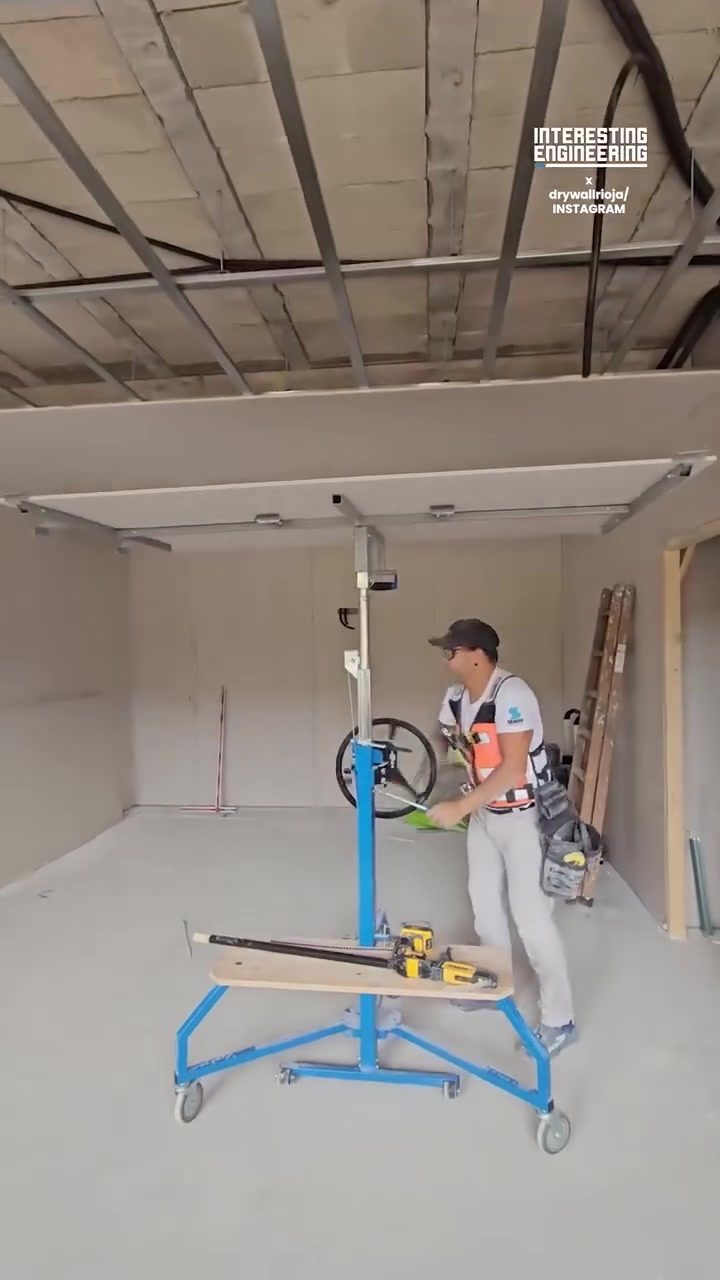
Drywall Ceiling Installation
Drywall ceiling installation is a crucial process in construction, ensuring a smooth and level surface. This involves using a drywall lift to raise and position gypsum boards, aligning them with metal framing, and securing them overhead. This method creates a surface ready for finishing.
Why This Matters
Drywall ceiling installation is essential for both residential and commercial construction projects. It provides a sturdy, smooth surface for ceilings, which can be painted or decorated as desired. This process is critical for achieving a professional-looking finish and ensuring the structural integrity of the ceiling.
Main Discussion
Understanding the Drywall Lift
A drywall lift is a specialized piece of construction equipment designed to elevate and position drywall sheets. This equipment is indispensable for ceiling installation, as it allows workers to handle gypsum boards safely and efficiently.
Components of a Drywall Lift
Wheeled Base
The wheeled base of a drywall lift provides easy maneuverability, allowing workers to move the lift around the construction site with minimal effort. This mobility is crucial for positioning the drywall sheets in the exact location needed for installation.
Mechanical Arm and Rotating Head
The mechanical arm and rotating head are key features of the drywall lift. These components allow for precise placement of the drywall sheets, ensuring that they are aligned correctly with the metal framing. This precision is essential for creating a smooth, level surface.
The Installation Process
Raising the Gypsum Boards
The first step in the drywall ceiling installation process is raising the gypsum boards. Using the drywall lift, workers elevate the gypsum boards to the desired height. This step ensures that the boards are positioned correctly for alignment with the metal framing.
Aligning with Metal Framing
Once the gypsum boards are raised, they need to be aligned with the metal framing. This alignment is crucial for creating a level surface. The precision provided by the drywall lift's mechanical arm and rotating head makes this step straightforward.
Securing the Drywall Sheets
After alignment, the gypsum boards are securely fastened to the metal framing. This step ensures that the drywall sheets are firmly in place, ready for finishing. Proper fastening is essential for the structural integrity of the ceiling.
Finishing the Drywall Ceiling
Once the gypsum boards are installed, the ceiling is ready for finishing. This process involves applying joint compound, sanding, and priming the surface. Proper finishing ensures a smooth, professional-looking surface that can be painted or decorated as desired.
Safety Considerations
Working with drywall lifts and gypsum boards requires attention to safety. Workers should always wear appropriate safety gear, including a safety vest and protective gloves. Proper training and adherence to safety protocols are essential for preventing accidents and ensuring a safe working environment.
Practical Tips
- Choose the Right Equipment: Select a high-quality drywall lift to ensure precise and efficient installation.
- Plan Ahead: Measure and mark the positions where the gypsum boards will be placed before starting the installation.
- Work in Teams: Collaborate with other workers to safely handle and position the gypsum boards.
- Regular Maintenance: Inspect and maintain your drywall lift to ensure it operates smoothly and safely.
Important Takeaways
- Precision is Key: Use a drywall lift with a mechanical arm and rotating head for precise placement of gypsum boards.
- Safety First: Always wear appropriate safety gear and follow safety protocols during the installation process.
- Quality Equipment: Invest in a reliable drywall lift for efficient and safe installation.
- Proper Finishing: Ensure a smooth, level surface by applying joint compound, sanding, and priming the ceiling.
Conclusion
Drywall ceiling installation is a meticulous process that requires the right tools and techniques. Using a drywall lift to raise, align, and secure gypsum boards ensures a professional-looking and structurally sound ceiling. By following best practices and safety protocols, you can achieve a smooth, level surface ready for finishing.
Watch the Reel
Questions readers ask
What is a panel lift for drywall and why is it useful?
A panel lift for drywall is a mechanical device designed to raise and position gypsum boards overhead. It's especially useful for installing drywall ceilings because it provides a safe and efficient way to handle large, heavy panels, preventing strain and ensuring accurate placement.
Can I install a drywall ceiling without a panel lift?
While it's technically possible to install a drywall ceiling without a panel lift, it's not recommended. A panel lift ensures the gypsum boards are level and aligned correctly, creating a smooth surface and maintaining structural integrity. Attempting this task without a lift can lead to uneven surfaces and potential safety hazards.
What are the key steps in installing a drywall ceiling with a panel lift?
First, assemble the drywall lift and position it below the ceiling area. Next, secure the gypsum board to the lift and raise it to the ceiling. Align the board with the metal framing, then secure it with screws. Repeat this process until the entire ceiling is covered. Finally, finish the seams and apply joint compound.
How does a drywall lift ensure a smooth and level ceiling surface?
A drywall lift allows for precise control when positioning gypsum boards. This ensures that the boards are level and aligned correctly with the metal framing. As a result, the ceiling surface remains smooth and free from unevenness or dips, which can occur when boards are installed manually.
What safety precautions should be taken when using a drywall lift for ceilings?
Always follow the manufacturer's instructions for operating the drywall lift. Ensure the lift is on a stable, level surface and use appropriate safety gear, such as gloves and safety glasses. Avoid overloading the lift and keep the work area clear of debris and obstacles. Additionally, always have someone assist you when operating the lift.
Can a drywall lift be used for both residential and commercial projects?
Yes, a drywall lift is versatile and can be used for both residential and commercial projects. Its efficiency and accuracy in installing gypsum boards make it suitable for various ceiling heights and sizes, ensuring a professional finish in any setting.
Recent articles
Fresh deep dives from the latest Reels we unpacked.




Comments
Be the first to comment.