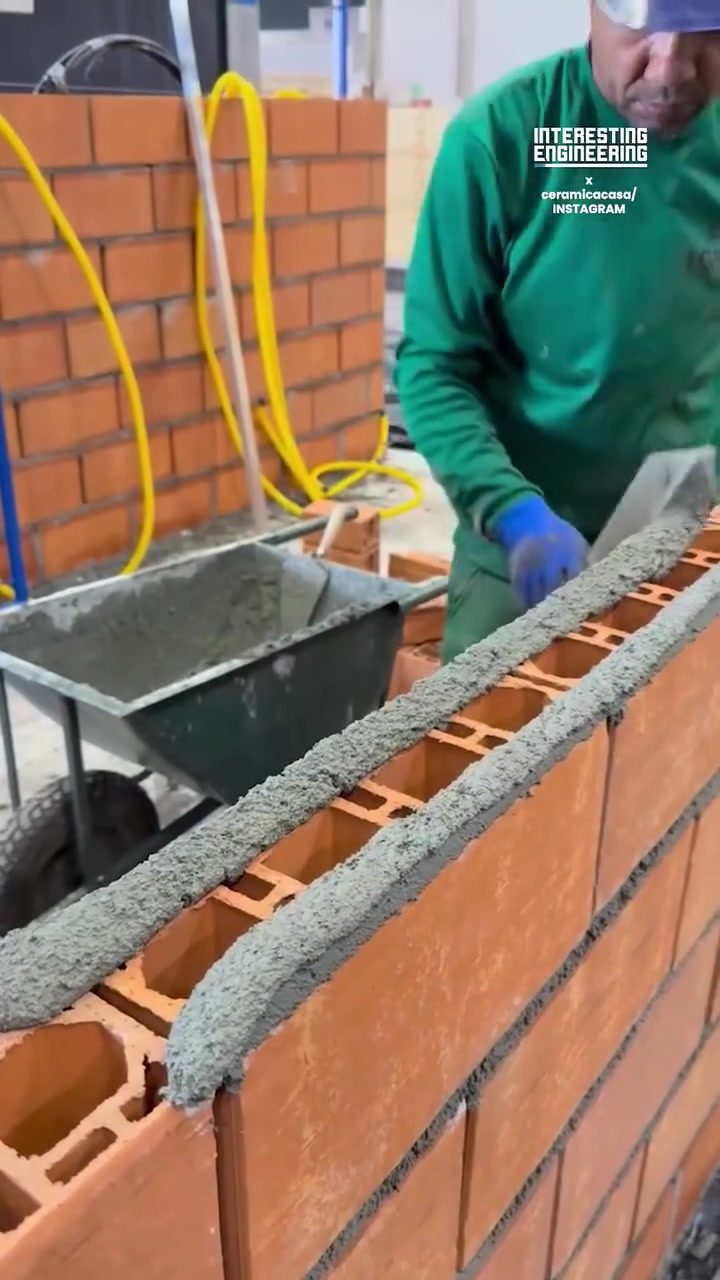
Bricklaying: Mortar Application Techniques
Bricklaying is a fundamental skill in construction, and one of the most critical aspects is applying mortar correctly. Mortar not only binds bricks together but also ensures the structural integrity and durability of the wall. Two common methods for applying mortar are piping and troweling. Both have their advantages and are suited to different situations.
Context / Why this Matters
Understanding the best way to apply mortar can significantly impact the efficiency and quality of a construction project. Whether you’re a professional mason or a DIY enthusiast, choosing the right technique can save time and ensure a stronger, more durable wall.
Mortar Application Techniques
Piping Mortar
Piping mortar involves using a piping bag to apply mortar to the bricks. This method is particularly useful for intricate designs and patterns, as it allows for precise control over the amount and placement of mortar. Piping is also beneficial when working with smaller bricks or in tight spaces, as it reduces the risk of excess mortar squeezing out and creating a messy finish.
Piping can be somewhat slower. While it offers precision, it might not be the fastest method for large-scale projects. This method often requires more skill and patience, but it can produce exceptionally clean and professional-looking results.
Troweling Mortar
Troweling is a more traditional method where a trowel is used to spread and level fresh mortar along the bricks. This technique is favored for its speed and efficiency, making it ideal for large construction projects. A trowel allows for quick and even distribution of mortar, ensuring a consistent bonding layer that aligns the masonry and distributes structural loads effectively.
Troweling is also versatile, as it can be used with various types of bricks and mortar mixtures. However, it may require more practice to achieve a smooth and even finish, especially for those new to bricklaying.
Safety and Preparation
Regardless of the method chosen, safety is paramount. Always wear protective gear, including gloves and a hard hat, to safeguard against potential hazards on the construction site. Additionally, ensuring that the work area is clean and well-prepared can significantly enhance the efficiency and quality of the mortar application.
Practical Tips
Choosing the Right Mortar
Selecting the right type of mortar is crucial for a successful bricklaying project. Different types of mortar are suited to various conditions and materials. For instance:
- Type N: Best for above-ground applications like walls and chimneys.
- Type S: Suitable for below-ground and above-ground applications, offering higher strength.
- Type M: Ideal for heavy-duty applications like retaining walls and foundations.
Mixing Mortar
Properly mixing mortar ensures a strong and durable bond. The general ratio for mixing mortar is 1 part cement, 1 part lime, and 6 parts sand. However, this can vary based on the specific requirements of the project. Always follow the manufacturer’s instructions for the best results.
Applying Mortar
When applying mortar, whether by piping or troweling, consistency is key. Spread the mortar evenly and ensure it forms a consistent bonding layer. This layer should align the masonry, distribute structural loads, seal gaps, and prepare the wall for the next construction course above.
Important Takeaways
- Precision vs. Speed: Piping offers precision and is ideal for intricate designs, while troweling is faster and more efficient for larger projects.
- Safety First: Always wear protective gear and ensure a clean work area for optimal results.
- Mortar Selection: Choose the right type of mortar for your specific project needs.
- Consistency: Whether piping or troweling, ensure an even and consistent bonding layer.
Conclusion
Choosing the right technique for applying mortar is crucial for the success of any bricklaying project. Whether you opt for the precision of piping or the efficiency of troweling, understanding the nuances of each method will help you achieve a durable and aesthetically pleasing result. Always prioritize safety and preparation to ensure a smooth and successful construction process.
Watch the Reel
Questions readers ask
What is the primary difference between piping and troweling mortar in bricklaying?
Piping uses a bag to apply mortar in precise lines, ideal for detailed work, while troweling applies mortar with a flat tool, suitable for larger, simpler areas.
When should I use the piping mortar technique?
Use piping when you need precise mortar placement, such as for intricate designs, small gaps, or detailed masonry work. It makes it easier to work accurately in confined spaces.
How can troweling mortar improve the speed of a large-scale construction project?
Troweling is faster for covering large areas due to its broad application surface. It allows for quicker mortar distribution, reducing the time needed to complete extensive walls or structures.
What are the advantages of mastering both mortar application techniques?
Mastering both techniques allows you to adapt to different project requirements, ensuring efficiency and quality. You can choose the best method based on the size, complexity, and design of your bricklaying project.
Which technique is better for beginners in bricklaying?
Beginners may find troweling easier to start with due to its straightforward application. However, learning piping can help develop precision skills, which are valuable for more complex projects.
Can piping mortar be used for large-scale projects?
While piping can be used, it is less efficient for large-scale projects due to its slower application process. For extensive bricklaying, troweling is generally more effective for covering large areas quickly.
How does the choice of mortar application technique affect the final durability of the bricklaying?
Choosing the right technique ensures that mortar is applied evenly and securely, which is crucial for the structural integrity and durability of the brickwork. Both methods, when done correctly, can create strong, long-lasting walls.
Recent articles
Fresh deep dives from the latest Reels we unpacked.




Comments
Be the first to comment.