Boiling Eggs: A Guide to Perfecting Your Egg Cooking
Boiling eggs is a simple yet precise art that determines the texture and doneness of the egg. Perfecting the timing of your boil ensures that you can achieve your desired texture, from a bright, golden, runny yolk to a fully set, firm hard-boiled egg.
Context / Why this matters
Boiling eggs is a fundamental cooking technique that can be used in a variety of dishes. Whether you're making a classic deviled egg, a creamy egg salad, or a simple snack, understanding how to boil an egg to your desired level of doneness is essential. The key to achieving the perfect egg lies in the timing and precision of your cooking method.
Main discussion
The Art of Boiling
Boiling eggs to different levels of doneness involves precise timing. Here, the techniques of boiling eggs are explored through various stages, each with its unique characteristics and textures.
Soft-Boiled Eggs
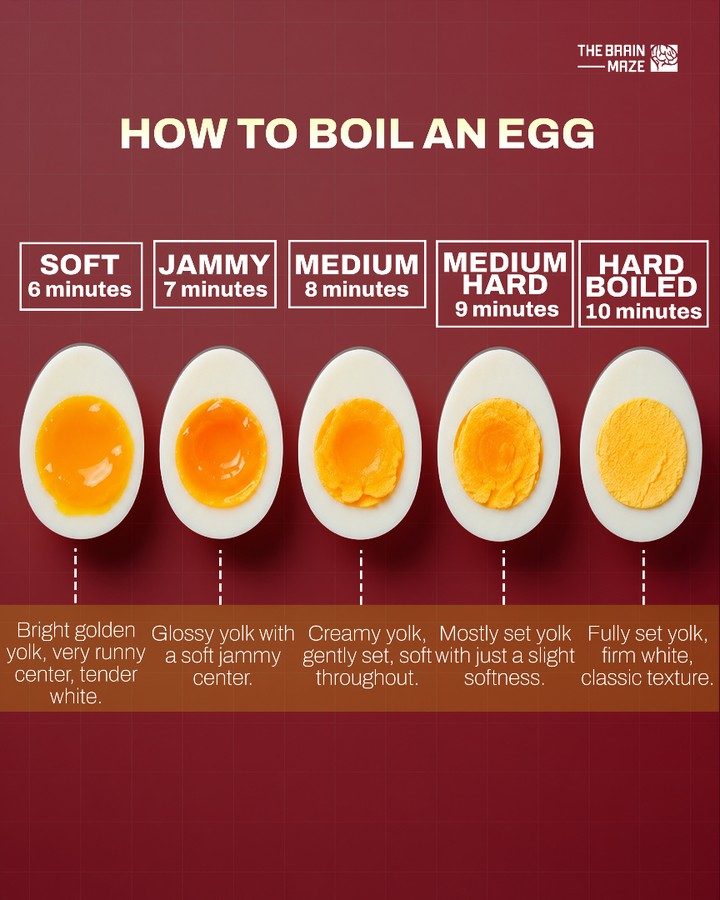
When boiling eggs, a 6-minute boil results in a soft-boiled egg with a bright, golden, and runny yolk. This texture is perfect for dipping toast soldiers or adding to a creamy soup. The white should be gently set, while the yolk remains liquid and golden.
Jammy Eggs
For a slightly firmer yet still creamy texture, boil your eggs for 7 minutes. This results in a jammy egg, where the yolk has a glossy appearance and is soft and spreadable. The white is fully set, making it easy to handle.
Medium-Boiled Eggs
Boiling an egg for 8 minutes creates a medium-boiled egg with a creamy center and a gently set white. This texture is ideal for those who enjoy a slightly firmer yolk that still has a touch of creaminess. It strikes a balance between runny and fully set.
Medium-Hard-Boiled Eggs
Moving up to a 9-minute boil results in a medium-hard-boiled egg. The yolk is mostly firm with a slight softness, making it perfect for those who prefer a firmer texture but still want a bit of give. The white is fully set and holds its shape well.
Hard-Boiled Eggs
For a classic hard-boiled egg, boil the egg for 10 minutes. This results in a fully set yolk that is firm and solid, with a classic hard-boiled texture. The white is also fully set, making it easy to peel and use in salads, sandwiches, or as a snack.
Techniques
The technique for boiling eggs is straightforward. Start by placing your eggs in a pot of cold water. Bring the water to a boil, then reduce the heat to a gentle simmer. Allow the eggs to cook for the desired time based on your preferred texture. Once the time is up, immediately transfer the eggs to an ice bath to stop the cooking process. This step is crucial for preventing overcooking and ensures that the eggs are easy to peel.
Tips for Perfect Boiling
- Start with Cold Water: Placing eggs in cold water and bringing them to a boil gradually helps to prevent cracking and ensures even cooking.
- Use Fresh Eggs: Fresh eggs have a tighter membrane, making them easier to peel after boiling.
- Avoid Overcrowding: Don't overcrowd the pot with too many eggs. This can lead to uneven cooking and make it harder to control the boiling process.
- Ice Bath: Shocking the eggs in an ice bath after boiling stops the cooking process and makes them easier to handle and peel.
Practical tips
For Beginners
If you're new to boiling eggs, start with the 6-minute soft-boiled egg. This texture is forgiving and gives you a good sense of how the egg changes as it cooks. From there, you can experiment with longer cooking times to achieve your desired level of doneness.
For Experienced Cooks
For those who frequently boil eggs, investing in a timer and a pot with a lid can make the process more efficient. A timer ensures precise cooking times, while a lid helps to maintain a consistent temperature in the water.
Important takeaways
Boiling eggs to different levels of doneness can greatly enhance your culinary repertoire, from creating perfectly runny yolks for breakfast to making firm hard-boiled eggs for snacks and salads. Understanding the nuances of boiling times and textures allows you to tailor your eggs to any dish or preference.
Conclusion
Mastering the art of boiling eggs is a valuable skill that can elevate your cooking. By following the guidelines and techniques outlined here, you can achieve the perfect texture every time. Whether you prefer a runny yolk, a jammy center, or a fully set hard-boiled egg, precise timing and attention to detail are key. Happy cooking!
Watch the Reel
Questions readers ask
How long should I boil an egg for a soft, runny yolk?
To achieve a soft, runny yolk, boil your egg for about 4 to 5 minutes after the water comes to a full boil. This timing will give you a bright, golden yolk that is slightly set on the outside but still liquid in the center.
What is a 'jammy' boiled egg, and how do I make one?
A 'jammy' boiled egg has a thicker, gooey yolk that is slightly set but still soft and jam-like in texture. To achieve this, boil your egg for approximately 6 to 7 minutes after the water starts boiling. This technique will give you a delightful texture that's perfect for many dishes.
How long do I need to boil an egg for a medium texture?
For a medium-boiled egg with a slightly firm yolk, boil the egg for around 9 to 10 minutes. This will result in a yolk that is set but still slightly soft and creamy, paired with a firm white.
What is the best way to boil eggs for a fully set, hard-boiled egg?
To achieve a fully set, hard-boiled egg with a firm yolk, boil the egg for about 12 to 14 minutes. This longer cooking time ensures that both the white and the yolk are completely set and firm to the touch.
Can I adjust the boiling time for different egg sizes?
Yes, the boiling times can vary slightly based on the size of the egg. For example, smaller eggs may require less time, while larger eggs may need a bit more. As a general rule, add about 30 seconds to the boiling time for medium eggs and up to 1 minute for extra-large eggs.
Is it important to cool boiled eggs quickly?
Yes, cooling boiled eggs quickly helps to stop the cooking process and makes them easier to peel. After boiling, transfer the eggs to an ice bath, which is a bowl of ice and cold water, and let them sit for about 10-15 minutes before peeling.
Should I start the timer when the water is boiling or when I add the eggs to the water?
Start the timer as soon as you add the eggs to the boiling water. This ensures that you have the most precise control over the cooking time, allowing you to achieve your desired yolk texture accurately.
Related deep dives
Similar reads based on topic and creator.




Recent articles
Fresh deep dives from the latest Reels we unpacked.




Comments
Be the first to comment.