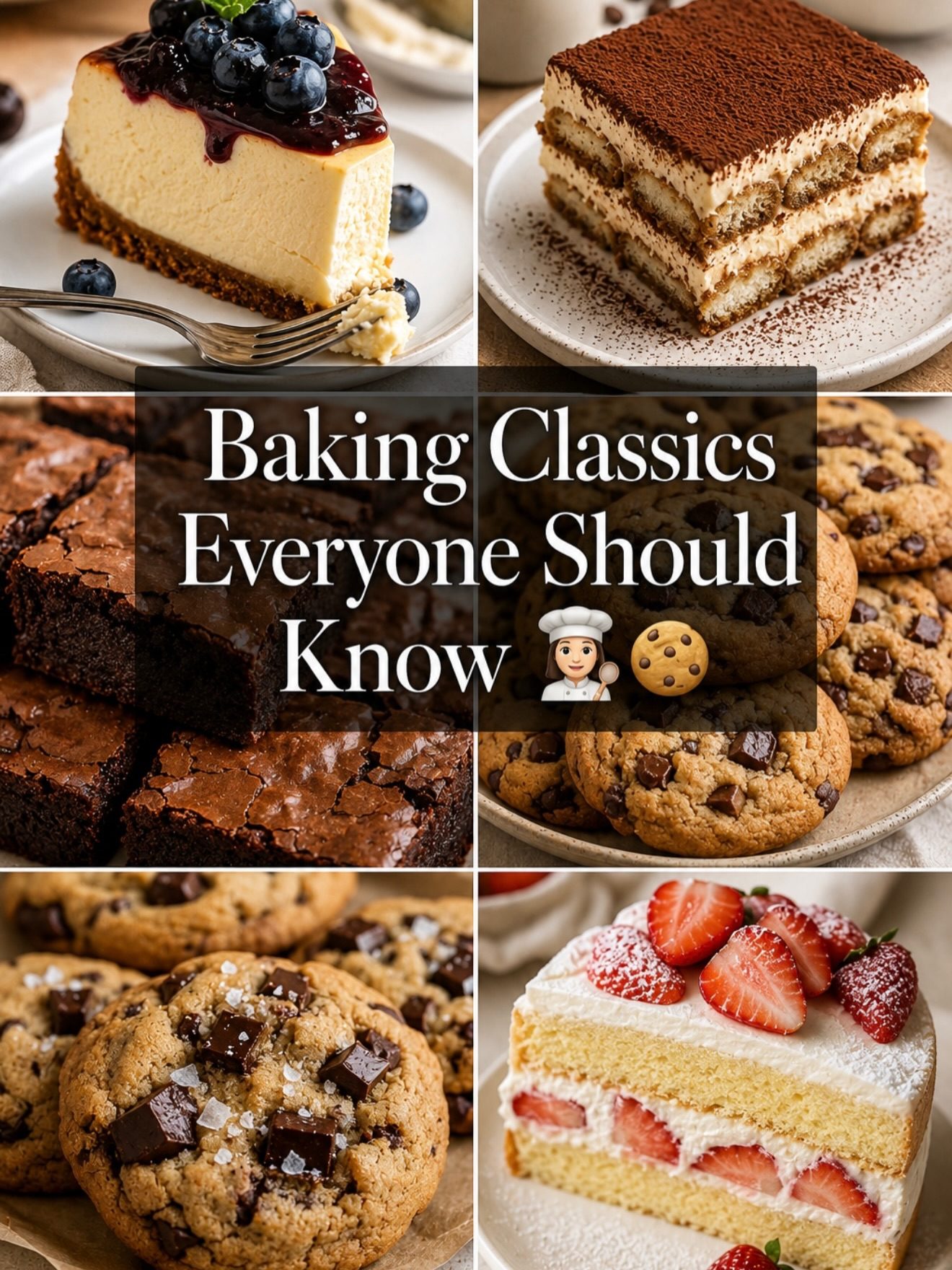
Classic Desserts Everyone Should Know
Baking classic desserts is more than just a hobby; it's a tradition that spans generations. These timeless recipes have stood the test of time because they deliver consistently delicious results. Whether you're a seasoned baker or just starting out, mastering a few classic desserts can elevate your baking skills and impress your friends and family. Here, we'll explore some of the most beloved desserts, the fundamentals of baking, and practical tips to help you become a better baker.
Why This Matters
Understanding classic desserts is about more than just following a recipe. It's about grasping the science behind baking, which involves mixing techniques, baking temperatures, texture, moisture, and ingredient balance. Once you master these fundamentals, you can create endless variations and confidently bake almost anything. Classic desserts serve as the foundation for more complex recipes, allowing you to experiment and innovate with confidence.
The Timeless Appeal of Classic Desserts
Classic desserts have a timeless appeal that transcends trends. They are loved for their simplicity, rich flavors, and comforting textures. Some of the most beloved desserts include:
- Fudgy Brownies: Rich, chocolatey, and impossible to resist, brownies are a crowd-pleaser. The combination of dense, fudgy texture and deep chocolate flavor makes them a favorite for any occasion.
- Tiramisu: Layers of coffee-soaked ladyfingers and creamy mascarpone cheese create a delightful balance of flavors and textures. This Italian classic is both elegant and comforting.
- Chocolate Chip Cookies: With crispy edges, soft centers, and melty chocolate chunks, these cookies are a staple in many households. Their versatility allows for endless variations, from adding nuts to experimenting with different types of chocolate.
- Strawberry Sponge Cake: Light, fluffy, and perfect for any occasion, this cake is a summer favorite. The combination of a moist sponge and fresh strawberries creates a refreshing and delicious treat.
- Classic Cheesecake: Creamy, smooth, and endlessly customizable, cheesecake is a dessert that can be dressed up or down. From classic New York-style cheesecake to fruity variations, there's a cheesecake for every taste.
Mastering the Fundamentals of Baking
Baking is both an art and a science. To become a better baker, you need to understand the fundamentals behind these classic desserts. This includes mixing techniques, baking temperatures, texture, moisture, and ingredient balance.
Mixing Techniques
Different desserts require different mixing techniques. For example, creaming butter and sugar is essential for achieving a light and fluffy texture in cakes and cookies. On the other hand, the folding method is used to gently incorporate air into batters for light and airy desserts like sponge cakes. Understanding these techniques will help you achieve the desired texture and structure in your baked goods.
Baking Temperatures
Baking temperatures play a crucial role in the outcome of your desserts. For example, baking brownies at a high temperature will result in a crispy top and fudgy center, while baking at a lower temperature will yield a more uniform texture. Similarly, cheesecakes require a low and slow baking process to prevent cracking and ensure a smooth, creamy texture.
Texture and Moisture
The texture and moisture of your baked goods are determined by the ingredients and techniques you use. For instance, using room-temperature ingredients ensures that they mix evenly and create a smooth batter. Overmixing, on the other hand, can result in tough and dense baked goods. Understanding how different ingredients contribute to texture and moisture will help you create the perfect dessert every time.
Ingredient Balance
Ingredient balance is key to achieving the perfect dessert. For example, the ratio of flour to liquid in a cake batter determines its density and moisture. Similarly, the balance of sugar, fat, and flour in a cookie dough affects its texture and flavor. Mastering ingredient balance will help you create desserts that are perfectly balanced in flavor and texture.
Practical Tips for Better Baking
Baking is a skill that improves with practice. Here are some practical tips to help you become a better baker:
- Measure Ingredients Accurately: Precise measurements ensure consistent results. Use measuring cups and spoons for dry ingredients and a liquid measuring cup for wet ingredients.
- Use Room-Temperature Ingredients: Room-temperature ingredients mix more easily and evenly, resulting in a smoother batter and better texture. Take ingredients out of the refrigerator about 30 minutes before you start baking.
- Don't Overmix Your Batter: Overmixing can result in tough and dense baked goods. Mix just until the ingredients are combined.
- Let Baked Goods Cool Properly: Allowing your baked goods to cool properly helps them set and develop their final texture. For example, letting a cake cool in the pan for a few minutes before transferring it to a wire rack helps prevent it from sticking.
- Practice Consistency Before Complexity: Focus on mastering a few classic recipes before moving on to more complex ones. Consistency in your baking technique will help you build a strong foundation.
Important Takeaways
- Classic desserts are timeless for a reason—they simply work. Mastering a few classics will elevate your baking skills and impress your friends and family.
- Understanding the fundamentals behind these desserts—mixing techniques, baking temperatures, texture, moisture, and ingredient balance—will help you create endless variations and confidently bake almost anything.
- Practice and consistency are key to improving your baking skills. Focus on mastering a few recipes before moving on to more complex ones.
Conclusion
Baking classic desserts is a rewarding experience that combines tradition, science, and creativity. By mastering a few timeless recipes and understanding the fundamentals of baking, you can create delicious treats that will be loved by all. Whether you're a seasoned baker or just starting out, focus on the fundamentals, practice consistently, and enjoy the process of creating something truly special.
Watch the Reel
Questions readers ask
What are some must-know classic dessert recipes for beginners?
Some essential classic dessert recipes for beginners include brownies, chocolate chip cookies, and strawberry cheesecake. These recipes are not only delicious but also help beginners understand fundamental baking techniques, such as mixing, ingredient balance, and baking temperatures, which are crucial for developing a strong foundation in the kitchen.
Why is mastering classic desserts important for bakers?
Mastering classic desserts is important because it helps bakers understand the science behind baking, including mixing techniques, baking temperatures, and ingredient balance. This knowledge is essential for achieving consistent and delicious results, and it can also help bakers create their own unique recipes and variations.
What are some practical tips for baking classic desserts?
Some practical tips for baking classic desserts include measuring ingredients accurately, preheating your oven, and avoiding overmixing your batter. Additionally, using high-quality ingredients and following the recipe closely can help ensure that your desserts turn out perfectly every time.
What is the best way to make tiramisu?
To make the best tiramisu, start by using high-quality ingredients like mascarpone cheese, ladyfingers, and coffee. Dip the ladyfingers in coffee and rum mixture, layer them in a dish, and top with a mascarpone cheese mixture. Repeat the layers, and chill in the refrigerator for several hours before serving.
How can I make the perfect chocolate chip cookies?
To make the perfect chocolate chip cookies, cream the butter and sugar together until light and fluffy, then add the eggs one at a time. Mix in the dry ingredients, and fold in the chocolate chips. Chill the dough for at least 30 minutes before baking, and be careful not to overmix the dough or overbake the cookies.
What are some timeless baking recipes that are always popular?
Some timeless baking recipes that are always popular include brownies, chocolate chip cookies, and strawberry cheesecake. These recipes have stood the test of time because they deliver consistently delicious results, and they are beloved by people of all ages.
What are the key fundamentals of classic baking?
The key fundamentals of classic baking include understanding mixing techniques, baking temperatures, texture, moisture, and ingredient balance. Mastering these fundamentals is essential for achieving consistent and delicious results, and it can help bakers create their own unique recipes and variations.
Recent articles
Fresh deep dives from the latest Reels we unpacked.




Comments
Be the first to comment.