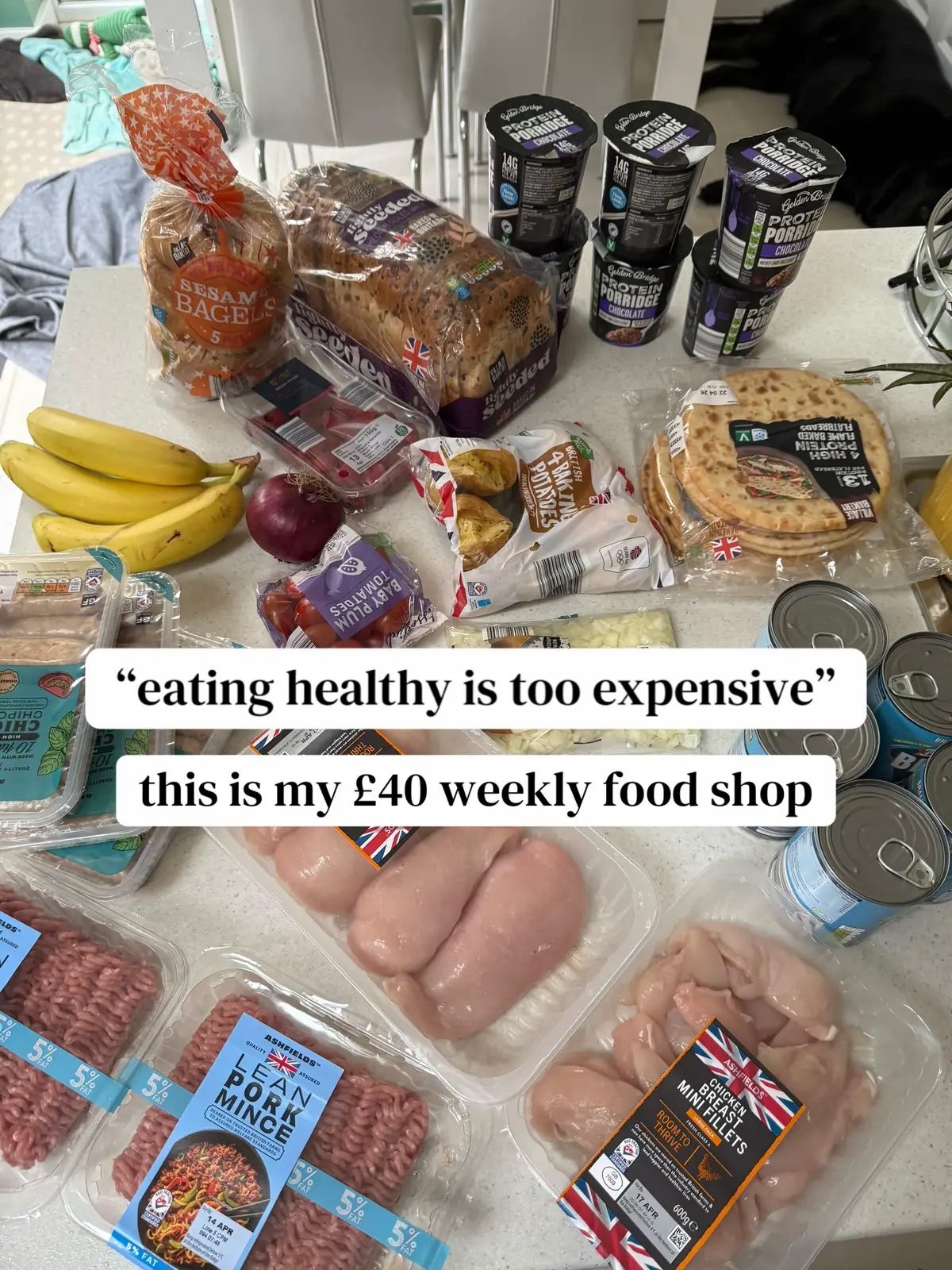
Budget-Friendly Healthy Eating
Eating healthily doesn't have to break the bank. With the right planning and prep, you can maintain a balanced, protein-rich diet for as little as £40 a week. This approach focuses on strategic meal planning, efficient shopping, and meal prepping to ensure you stay within budget while meeting your nutritional goals.
Why This Matters
Many people believe that eating healthily is expensive. However, the reality is that overspending often comes from a lack of planning, not from the cost of healthy food itself. Common pitfalls include impulsive shopping, buying foods that aren't used, and frequent visits to the store. By addressing these issues, you can save money and still enjoy a nutritious diet.
Main Discussion
Understanding the Weekly Food Budget
A £40 weekly budget might sound restrictive, but with the right strategy, it can provide a variety of nutritious meals. The key is to focus on high-protein foods, which are essential for muscle repair and overall health. Aiming for 180-200 grams of protein per day might initially seem challenging, but with proper planning, it's achievable.
The Role of Meal Planning
Meal planning is crucial for staying within budget. By planning your meals in advance, you can create a shopping list that includes only the necessary ingredients. This approach eliminates impulse buys and ensures that all purchases are used. Consider planning your meals for the week on a Sunday evening. This includes breakfasts, lunches, dinners, and snacks. This method helps you make targeted purchases and avoid multiple trips to the store.
Shopping Strategically
A well-thought-out shopping list is your best friend. Doing a single big shop for the week can save you time and money. However, you might need to allow for a small top-up shop for fresh fruits and vegetables, which have a shorter shelf life. Focus on buying in bulk when it makes sense, but be mindful of expiration dates to avoid waste.
Meal Prepping: The Game Changer
Meal prepping saves you time and effort during the week. Spend 1-2 hours on your quieter days to prep meals that you’ll enjoy and align with your nutritional goals. Having prepped meals ready to go reduces the temptation to opt for convenience foods, which are often more expensive and less nutritious.
Tracking Nutrition
Tracking your food intake is vital for staying on track with your nutritional goals. Use a tracking app to plan your meals in advance. This helps you avoid the daily stress of deciding what to eat and ensures that you meet your macronutrient targets. Planning a week’s worth of meals on a Sunday, for example, can make the rest of the week much smoother.
Practical Tips
-
Plan Ahead: Dedicate time each week to plan your meals. This includes breakfasts, lunches, dinners, and snacks. A well-thought-out plan helps you stick to your budget and meet your nutritional needs.
-
Create a Shopping List: Based on your meal plan, create a detailed shopping list. Stick to this list when you go shopping to avoid impulse buys.
-
Meal Prep: Set aside time to prep your meals. This could be once a week or a few times. Having meals ready to go reduces the likelihood of opting for convenience foods.
-
Track Your Intake: Use a tracking app to plan your meals in advance. This not only helps you stay within your budget but also ensures that you are meeting your nutritional goals.
-
Maximize Protein Intake: Focus on protein-rich foods like lean meats, eggs, and legumes. These foods are essential for muscle repair and overall health.
Practical Tips
-
Choose a Variety of Foods: Mix and match different proteins, grains, and vegetables to keep your meals interesting and nutritious. A variety of foods also ensures a balanced intake of vitamins and minerals.
-
Use Leftovers Creatively: Leftovers can be repurposed into new meals, reducing waste and saving money. For example, leftover chicken can be used in salads or wraps.
-
Portion Control: Be mindful of portion sizes to avoid overeating and wasting food. Use measuring cups or a food scale to ensure accurate portions.
-
Hydrate Properly: Staying hydrated is essential for overall health and can help control hunger. Make sure to drink plenty of water throughout the day.
-
Incorporate Treats: Allow yourself small treats to avoid feeling deprived. This can be a piece of dark chocolate or a small portion of your favorite dessert.
Important Takeaways
Eating healthily on a budget is achievable with careful planning and preparation. By planning your meals, creating a shopping list, and prepping meals in advance, you can save money and meet your nutritional goals. Tracking your food intake and being mindful of portion sizes are also crucial for staying on track.
Conclusion
Healthy eating doesn’t have to be expensive. With a systematic approach to meal planning, shopping, and prepping, you can enjoy a nutritious diet without breaking the bank. By focusing on protein-rich foods, planning meals in advance, and tracking your intake, you can achieve your nutritional goals while staying within your budget.
Watch the Reel
Questions readers ask
How can I stick to a £40 weekly budget for meal prepping?
To stick to a £40 weekly budget, start by planning your meals for the week and making a detailed shopping list. This helps avoid impulse buys and ensures you purchase only what you need. Opt for affordable protein sources like eggs, canned beans, and frozen chicken. Additionally, buy in bulk and choose store-brand or sale items when possible.
What are some budget-friendly protein sources for meal prepping?
Budget-friendly protein sources include eggs, canned beans, lentils, and frozen poultry or fish. These are cost-effective and versatile, making them excellent for meal prepping. You can also incorporate tofu and tempeh for plant-based protein, ensuring a balanced diet.
What are the best apps for meal planning on a budget?
Consider apps like Mealime, Paprika, or Yummly for meal planning. These tools help you create recipes, generate shopping lists, and track expenses, ensuring you stay within your budget. Many of these apps also offer features to help you plan for leftovers and reduce food waste.
How can I save time with a daily meal prep routine?
Establish a consistent daily meal prep routine by setting aside time each day or a dedicated day each week for meal preparation. Use containers to portion out your meals and store them in the fridge or freezer. You can also use a slow cooker or Instant Pot for batch cooking to save time and effort.
What are some tips for strategic shopping to reduce food costs?
To reduce food costs, plan your meals around what's on sale or in season and create a grocery list accordingly. Buy in bulk for items with a long shelf life and choose store-brand or generic products. Don't forget to check the clearance section for discounted items and avoid shopping while hungry to resist impulse buys.
How can I ensure my meals are nutritious while on a budget?
Ensure your meals are nutritious by focusing on a balance of macronutrients—protein, carbohydrates, and healthy fats. Incorporate plenty of fruits and vegetables, which are often inexpensive when bought frozen or in season. Legumes, whole grains, and affordable dairy products can also enhance the nutritional content of your meals.
What are some affordable and nutritious meal prep ideas for a week?
Affordable and nutritious meal prep ideas include batch-cooking chili with beans and ground turkey, making a large pot of quinoa and veggie stir-fry, or preparing sheet pan dinners with chicken, vegetables, and sweet potatoes. Overnight oats with mixed berries and chia seeds are also a budget-friendly and healthy breakfast option.
Recent articles
Fresh deep dives from the latest Reels we unpacked.




Comments
Be the first to comment.