Back Workout and Anatomy
A strong back is the foundation of a powerful physique. It supports good posture, enhances performance in various activities, and contributes to an overall strong presence. To achieve this, it's crucial to understand back anatomy and train with intention, focusing on key muscle groups and specific exercises.
Why This Matters
Training your back goes beyond aesthetics; it's about functionality and strength. The back is composed of several muscle groups, each with distinct roles. Understanding these muscles and targeting them effectively can lead to significant improvements in strength, posture, and overall performance. By training with intention, you can build a strong back that not only looks impressive but also performs exceptionally well.
Anatomy of the Back
The back is a complex structure with several key muscle groups, including the trapezius, rhomboids, latissimus dorsi, and erector spinae. Each of these muscles plays a crucial role in movements and stability.
Trapezius (Upper Back)
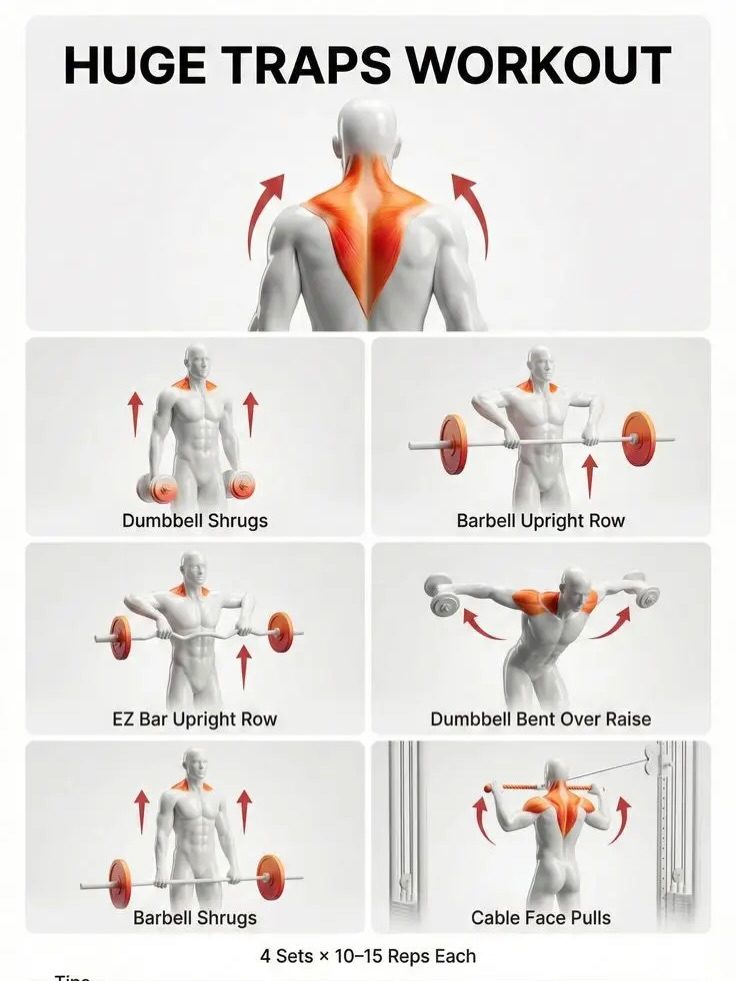
The trapezius muscle, often referred to as the "traps," is located in the upper back and neck area. It is responsible for shoulder elevation, retraction, and rotation. Strengthening the traps can improve posture and shoulder stability, which is essential for exercises like pull-ups and rows.
Rhomboids (Mid Back)
The rhomboids are located between the shoulder blades and are crucial for maintaining good posture. They work to pull the shoulder blades together and downward, which is essential for exercises like rows and pull-ups. Strengthening the rhomboids can help prevent rounded shoulders and improve overall upper body stability.
Latissimus Dorsi
The latissimus dorsi, or "lats," are large muscles that span from the mid-back to the lower back. They are responsible for shoulder adduction, extension, and internal rotation. Strengthening the lats can improve pulling strength and contribute to a wider back appearance.
Erector Spinae (Lower Back)
The erector spinae are a group of muscles and tendons that run along the spine from the lower back to the neck. They are responsible for spinal extension, rotation, and lateral flexion. Strengthening the erector spinae can improve posture, core stability, and overall strength.
Effective Back Exercises
To build a strong and balanced back, it's essential to incorporate a variety of exercises that target different muscle groups. Here are some effective exercises for each back region:
Pull-ups
Pull-ups are a classic exercise that targets the traps, rhomboids, and lats. They are excellent for building width and thickness in the back. To perform a pull-up, grasp a pull-up bar with an overhand grip, keeping your hands shoulder-width apart. Pull your body up until your chin is above the bar, then lower yourself back down in a controlled manner.
Rows
Rows, such as the t-bar row, barbell row, and cable row, are effective for targeting the traps, rhomboids, and lats. They help build a strong and thick back. To perform a t-bar row, sit on a t-bar row machine with your feet flat on the floor and your back straight. Grasp the handles, pull the weight up towards your chest, and then lower it back down.
Deadlifts
Deadlifts are a compound exercise that works the entire posterior chain, including the traps, rhomboids, lats, and erector spinae. They are excellent for building total body strength and power. To perform a deadlift, stand with your feet shoulder-width apart and the barbell on the floor. Bend down, grasp the bar with an overhand grip, and lift the bar by extending your hips and knees, keeping your back straight.
Face Pulls
Face pulls are an essential exercise for shoulder health and stability. They target the traps and rhomboids, helping to improve posture and prevent injuries. To perform a face pull, attach a rope handle to a cable machine, grasp the handles, and pull the weight towards your face, keeping your elbows high and shoulders down.
Supersets for Back Training
Supersets are a great way to increase the intensity and efficiency of your back workouts. They involve performing two exercises back-to-back without rest, then taking a break before repeating. Here's a sample superset routine:
Superset A
- Deadlifts: 3 sets of 8-12 reps
- Pull-ups: 3 sets of 8-12 reps
Superset B
- Barbell Row: 3 sets of 8-12 reps
- Stiff Arm Pulldown: 3 sets of 8-12 reps
Superset C
- Seated Cable Row: 3 sets of 8-12 reps
- Dumbbell Row: 3 sets of 8-12 reps
Practical Tips
Focus on Slow, Controlled Reps
To maximize the benefits of your back workouts, focus on performing slow, controlled reps. This helps to build muscle and strength effectively, reduces the risk of injury, and ensures that you are targeting the intended muscle groups.
Prioritize Mind-Muscle Connection
The mind-muscle connection is crucial for effective back training. Concentrate on feeling the muscle groups working during each exercise, and avoid using momentum to lift the weight. This helps to ensure that you are targeting the right muscles and getting the most out of your workout.
Train All Three Back Regions for Balance
To build a well-rounded and balanced back, it's essential to train all three regions: the upper back, mid-back, and lower back. This helps to prevent muscle imbalances, improves posture, and enhances overall strength.
Important Takeaways
- Understand Back Anatomy: Knowing the different muscle groups in the back is crucial for effective training.
- Train with Intention: Focus on specific exercises that target each muscle group to build a strong and balanced back.
- Use Supersets: Supersets can increase the intensity and efficiency of your back workouts.
- Prioritize Mind-Muscle Connection: Concentrate on feeling the muscle groups working during each exercise.
Conclusion
Building a strong back requires a combination of understanding anatomy, choosing the right exercises, and training with intention. By focusing on key muscle groups and incorporating a variety of exercises, you can achieve a powerful, functional, and aesthetically pleasing back.
Watch the Reel
Questions readers ask
Which muscle groups should I focus on during my back workouts?
When training your back, focus on key muscle groups such as the latissimus dorsi, rhomboids, trapezius, and erector spinae. Exercises like deadlifts and rows can help target these muscles effectively. Additionally, consider incorporating exercises for the rear deltoids to improve overall back development and posture.
What are some effective back exercises for beginners?
For beginners, start with compound movements like the Barbell Deadlift, Barbell Bent Over Row, and Seated Cable Row. These exercises engage multiple muscle groups, including your lats, rhomboids, and trapezius. As you progress, you can add more specialized exercises to your routine.
What is superset training and how can it benefit my back workout?
Superset training involves performing two exercises back-to-back without rest. For back workouts, pairing exercises like Barbell Rows with Lat Pulldowns can enhance muscle fatigue and promote growth. Superset back workouts can also save time by reducing overall rest periods.
How does proper back training improve posture?
Training your back muscles, particularly the rhomboids and trapezius, helps counteract the effects of prolonged sitting and poor posture. Exercises like Rhomboid Flyes and face pulls strengthen the muscles responsible for maintaining good posture, reducing the risk of rounding shoulders and upper back pain.
What are some variations of the deadlift and how do they target different back muscles?
Variations of the deadlift, such as the Sumo Deadlift and Romanian Deadlift, target different muscles in the back. The conventional deadlift emphasizes the latissimus dorsi and erector spinae, while the Sumo Deadlift recruits more glutes and inner thighs. The Romanian Deadlift, on the other hand, is great for isolating the erector spinae and hamstrings.
Are there any specific exercises to target the trapezius muscles?
To target the trapezius muscles, incorporate exercises like Barbell Shrugs and Face Pulls into your routine. These exercises help to build strength and definition in both the upper and middle trapezius, contributing to a well-rounded back development. Additionally, exercises like the Upright Row can also be effective for targeting the traps.
Recent articles
Fresh deep dives from the latest Reels we unpacked.




Comments
Be the first to comment.