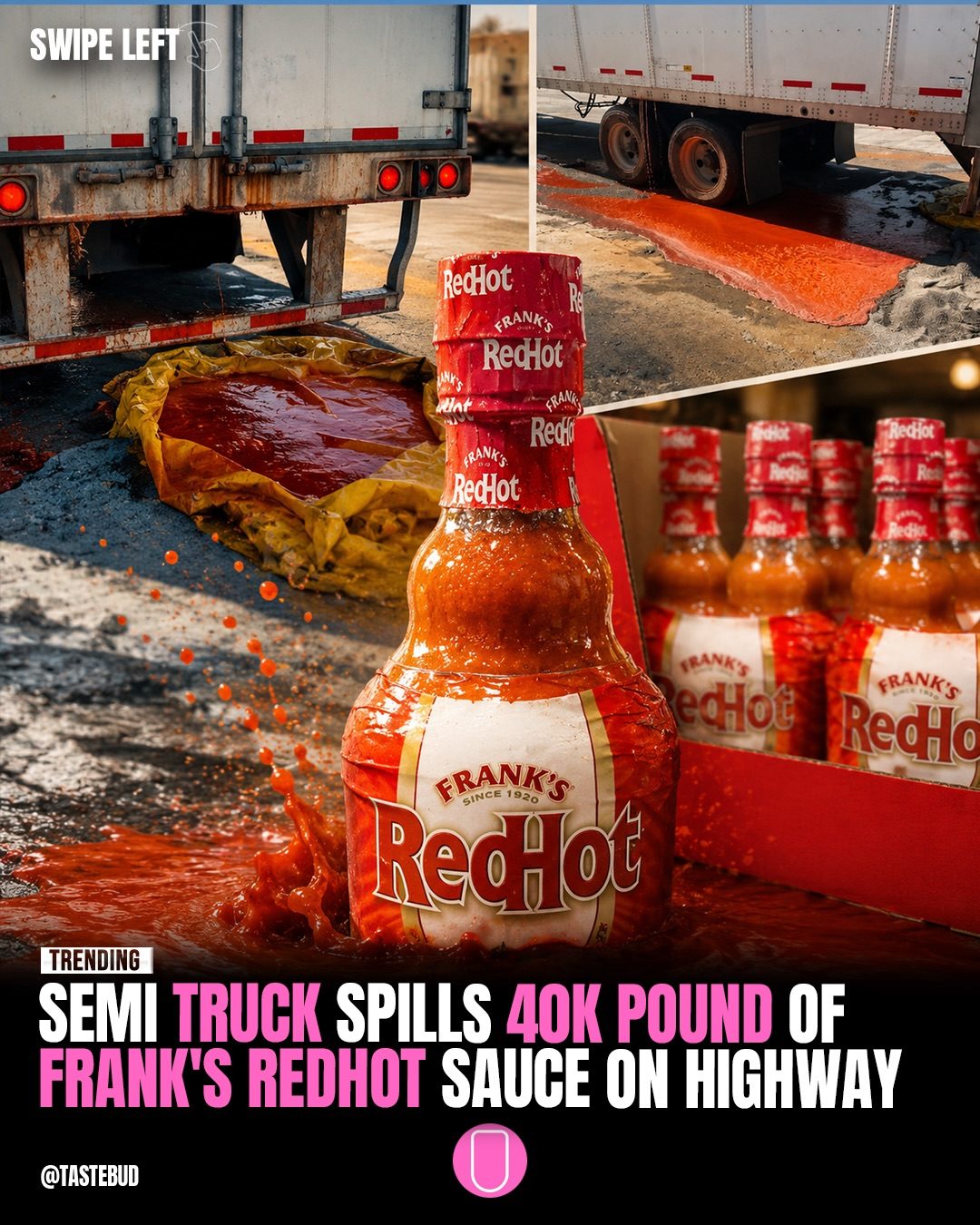
Frank's RedHot Sauce Spill on an Ohio Highway
The recent incident involving a semi-truck carrying Frank’s RedHot sauce, which spilled around 40,000 pounds onto an Ohio highway, highlights the complexities and potential hazards of transporting large quantities of food products. This unique event, captured in vivid detail, provides a rare glimpse into the logistics and challenges of managing such incidents.
Context / Why This Matters
While the sight of a highway coated in hot sauce might seem amusing, it underscores serious issues in logistics and transportation. The extreme heat during the spill exacerbated the problem, causing the sauce to spread more easily and posing potential hazards to drivers and the environment. Understanding the logistics behind such incidents can provide valuable insights into preventative measures and emergency management.
Main Discussion
The Incident
Frank's RedHot, a beloved hot sauce brand, is well known for its spicy flavor. In this case, the brand found itself in an unusual situation when a truck carrying 40,000 pounds of its iconic sauce overturned on an Ohio highway. The spill was not only significant in size but also in its impact on the road and surrounding area. The intense heat likely facilitated the spread of the sauce, making the cleanup process challenging and time-consuming.
Impact on Drivers and Roads
Drivers passing through the affected area likely encountered a trail of sauce, potentially affecting their driving experience. The incident serves as a reminder of how quickly logistics issues can escalate, causing significant disruptions. Cleaning up such a spill requires specialized equipment and procedures to ensure the road is safe for use again.
Environmental Considerations
Although the exact environmental impact of the spill is unclear, it is essential to consider the potential effects. Hot sauce, while primarily a culinary ingredient, contains ingredients that could affect soil and water quality if not properly contained. Prompt and thorough cleanup is crucial to minimizing any potential environmental damage.
Logistics and Safety
The incident highlights the importance of proper logistics and safety measures in the transportation of food products. Ensuring that trucks are well-maintained and drivers are trained to handle emergency situations is paramount. The use of specialized containers and secure fastening systems can prevent similar incidents, ensuring the safe transport of goods.
Practical Tips
For Drivers
- Stay Calm and Safe: If you encounter an unusual spill or obstacle on the road, remain calm and maintain a safe distance.
- Report the Incident: Inform the relevant authorities as soon as possible to ensure swift action and minimize disruptions.
- Avoid Contact: Do not attempt to clean up the spill yourself; it may contain substances that can be harmful to your health.
For Logistics Companies
- Invest in Safety Equipment: Ensure that trucks are equipped with reliable safety features and emergency supplies.
- Regular Maintenance: Conduct regular maintenance checks on trucks to prevent mechanical failures that could lead to spills.
- Training and Drills: Provide comprehensive training to drivers and conduct regular drills to handle emergency situations.
For Environmental Agencies
- Quick Response Teams: Have specialized teams ready to respond to spills, ensuring that the environment is protected.
- Monitoring and Containment: Implement monitoring systems to track potential environmental impacts and take immediate containment measures.
Important Takeaways
The spill of Frank’s RedHot sauce on an Ohio highway is a unique event that brings attention to the logistics and safety measures in transporting food products. It underscores the importance of proper handling, maintenance, and emergency preparedness. By learning from such incidents, transportation companies and authorities can implement better practices to prevent future occurrences and manage them more effectively if they do happen.
Conclusion
The Frank’s RedHot sauce spill serves as a reminder of the challenges and complexities in logistics and transportation. From the impact on drivers to environmental considerations, this incident highlights the need for robust safety measures and emergency protocols. By staying informed and prepared, we can better navigate the unexpected and ensure the safe transport of goods.
Watch the Reel
Questions readers ask
What caused the Frank's RedHot sauce to spread so extensively on the Ohio highway?
The extreme heat during the incident caused the sauce to spread more easily, making the cleanup process more challenging. Additionally, the volume of the spill—around 40,000 pounds—contributed to the widespread distribution of the sauce across the highway.
How did the Frank's RedHot sauce spill impact traffic and highway usage?
The spill resulted in a significant Ohio highway road closure to ensure safety and allow for the cleanup. This disruption impacted local traffic, causing delays and rerouting for commuters and other drivers in the area.
What are some of the environmental concerns related to a massive Frank's RedHot sauce spill?
While Frank's RedHot sauce is generally considered safe for consumption, a large spill can still pose environmental risks. The cleanup process must carefully handle the sauce to prevent contamination of nearby water sources and soil. Additionally, the chemicals used in the cleanup process can also have unintended environmental impacts.
What challenges are associated with transporting large quantities of food products like Frank's RedHot sauce?
Transporting large quantities of food products involves managing logistics, ensuring product integrity, and adhering to safety regulations. One of the biggest challenges is mitigating risks associated with accidents, such as spills, which can cause road hazards, environmental issues, and safety concerns for drivers.
What steps are typically involved in cleaning up a massive food spill on a highway?
Cleanup of a massive food spill involves several steps, including containing the spill to prevent further spread, removing the spilled product, and thoroughly cleaning the affected area. Specialized equipment and trained personnel are often required to handle such incidents efficiently and safely. Additionally, environmental assessments may be conducted to ensure no long-term impacts.
How do incidents like the Frank's RedHot sauce spill highlight the importance of proper logistics and transportation planning?
Incidents like these underscore the need for robust logistics and transportation planning to minimize risks. Proper route planning, regular vehicle maintenance, and driver training can help prevent accidents. Effective emergency response plans are also crucial for quickly addressing spills and minimizing their impact on safety and the environment.
What precautions can be taken to prevent similar incidents in the future?
To prevent similar incidents, transportation companies can implement stricter safety protocols, including regular inspections of vehicles and proper securing of cargo. Driver training on handling hazardous materials and emergency response procedures can also significantly reduce the risk of accidents. Additionally, route planning that avoids high-risk areas during peak traffic times can help mitigate potential hazards.
Related deep dives
Similar reads based on topic and creator.



Recent articles
Fresh deep dives from the latest Reels we unpacked.




Comments
Be the first to comment.