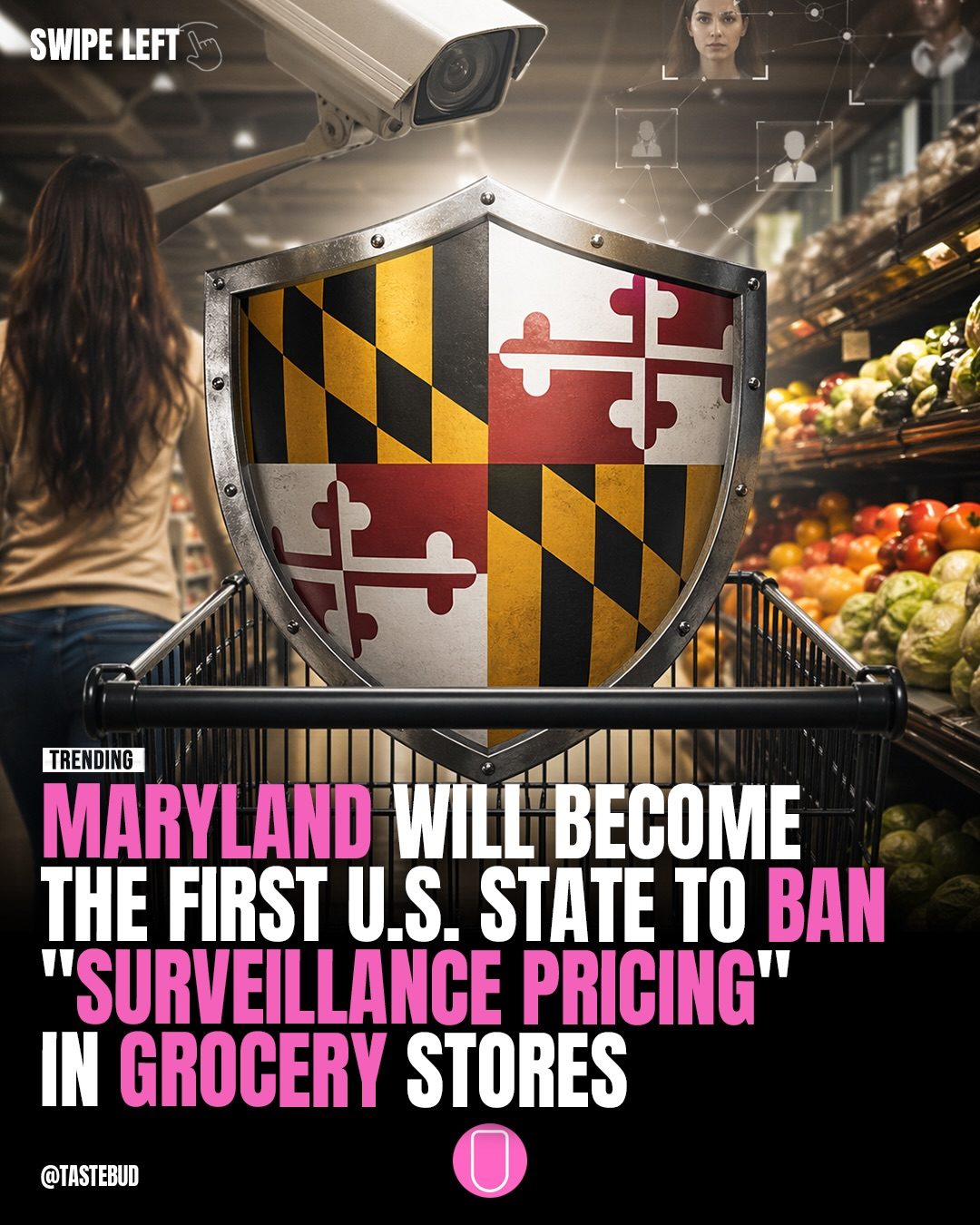
Maryland's Move to Ban Surveillance Pricing in Grocery Stores
In recent years, the use of digital pricing systems in retail has grown significantly. These systems allow for real-time price adjustments based on customer data, but this practice raises serious concerns about transparency and fairness. Maryland has taken a bold step to address these issues. The state is poised to become the first in the U.S. to ban surveillance pricing in grocery stores. This move highlights the growing debate around algorithm-driven pricing and its impact on consumers.
Why This Matters
The ongoing expansion of digital pricing systems in retail has made it easier for companies to implement real-time pricing changes. These changes are often based on customer data, such as browsing history and location. While this technology allows for personalized pricing, it also raises significant concerns about transparency and fairness. The lack of clear transparency in how these prices are adjusted can lead to confusion and mistrust among consumers. Maryland's ban aims to address these issues by pushing companies toward more standardized pricing instead of personalized adjustments.
Real-Time Pricing and Customer Data
The ability to change prices in real-time based on customer data is a hallmark of modern retail. Electronic price tags in grocery stores can now adjust prices instantly, influenced by various factors such as time of day, customer preferences, and even competition from nearby stores. This dynamic pricing model can result in significant price differences for the same item, depending on the customer's data profile. While this approach can be beneficial for businesses, it often leaves consumers in the dark about why they are being charged more or less for the same product.
Maryland's New Rules and Their Implications
Maryland's decision to ban surveillance pricing in grocery stores is a significant move toward greater transparency and fairness in retail pricing. The new rules aim to prevent companies from using personal data like browsing history and location to adjust prices without clear transparency. This ban is expected to push companies toward more standardized pricing models, where prices are based on broader market factors rather than individual customer data.
The Impact on Retailers
For retailers, this ban means a shift away from personalized pricing strategies. Companies will need to adapt by focusing on more traditional pricing models that do not rely on real-time adjustments based on customer data. While some retailers may find this transition challenging, it could also lead to more straightforward and predictable pricing strategies, which can be beneficial for both consumers and businesses in the long run.
Consumer Benefits
Consumers stand to gain the most from these changes. Greater transparency in pricing can help build trust and reduce confusion. With more standardized pricing, consumers will have a clearer understanding of why certain items are priced the way they are, making informed purchasing decisions easier.
Practical Tips for Navigating Retail Pricing
Be Mindful of Price Fluctuations
While real-time pricing is still prevalent in many places, being mindful of price fluctuations can help you make better purchasing decisions. Pay attention to patterns in pricing and consider using price comparison tools to find the best deals.
Know Your Rights
As a consumer, it's essential to know your rights when it comes to pricing transparency. If you notice significant price fluctuations based on factors that seem unfair, reach out to the retailer for clarification or report the issue to relevant authorities.
Important Takeaways
The ban on surveillance pricing in Maryland's grocery stores represents a significant step toward greater transparency and fairness in retail pricing. This move addresses concerns about the use of personal data for price adjustments and highlights the need for more standardized pricing models. As more states consider similar regulations, consumers can expect greater visibility and control over pricing, leading to more informed purchasing decisions.
Conclusion
Maryland's decision to ban surveillance pricing in grocery stores is a pivotal move in the ongoing debate around algorithm-driven pricing. By pushing companies toward more standardized pricing, Maryland aims to enhance transparency and fairness for consumers. This shift not only benefits consumers but also encourages retailers to adopt more straightforward and predictable pricing strategies. As this trend continues, retail pricing may become more transparent, leading to better-informed choices and greater trust between consumers and businesses.
Watch the Reel
Questions readers ask
What exactly is surveillance pricing in the context of grocery stores?
Surveillance pricing refers to the practice where grocery stores use customer data to dynamically adjust prices in real-time. This means that prices can vary based on factors like browsing history, purchase history, or even a customer's location.
Why is Maryland banning surveillance pricing in grocery stores?
Maryland is banning surveillance pricing to address concerns about transparency and fairness. By prohibiting real-time price adjustments based on customer data, the state aims to prevent confusion and mistrust among consumers and promote a more equitable shopping experience.
How does the ban on surveillance pricing affect grocery stores in Maryland?
The ban will require grocery stores to adopt a more uniform pricing strategy, preventing them from using customer data to personalize prices. This change may simplify pricing structures and enhance transparency, but it could also impact revenue strategies that rely on dynamic pricing.
Will this ban affect online shopping as well as in-store purchases?
The ban specifically targets grocery stores, which includes both in-store and online shopping platforms operated by these retailers. Therefore, it will affect how prices are set for both in-person and online purchases at Maryland grocery stores.
What are the potential benefits for consumers with this new law?
Consumers can expect a more predictable and fair pricing experience. Since prices will no longer vary based on individual data, shoppers can trust that the price they see is the price they will pay, fostering a more straightforward and reliable shopping environment.
Are there any other states considering similar bans on surveillance pricing?
As of now, Maryland is the first state to enact such a ban. However, the debate around algorithm-driven pricing and its impact on consumers is gaining traction nationwide, so other states may follow suit in the future.
How will this law impact the use of customer data by grocery stores?
The law will restrict grocery stores from using customer data to adjust prices dynamically. However, it does not prohibit the collection of customer data altogether. Stores can still gather data for other purposes, such as inventory management and customer service enhancement.
Related deep dives
Similar reads based on topic and creator.


Recent articles
Fresh deep dives from the latest Reels we unpacked.




Comments
Be the first to comment.