The Film Industry's Stance on Israeli Film Institutions
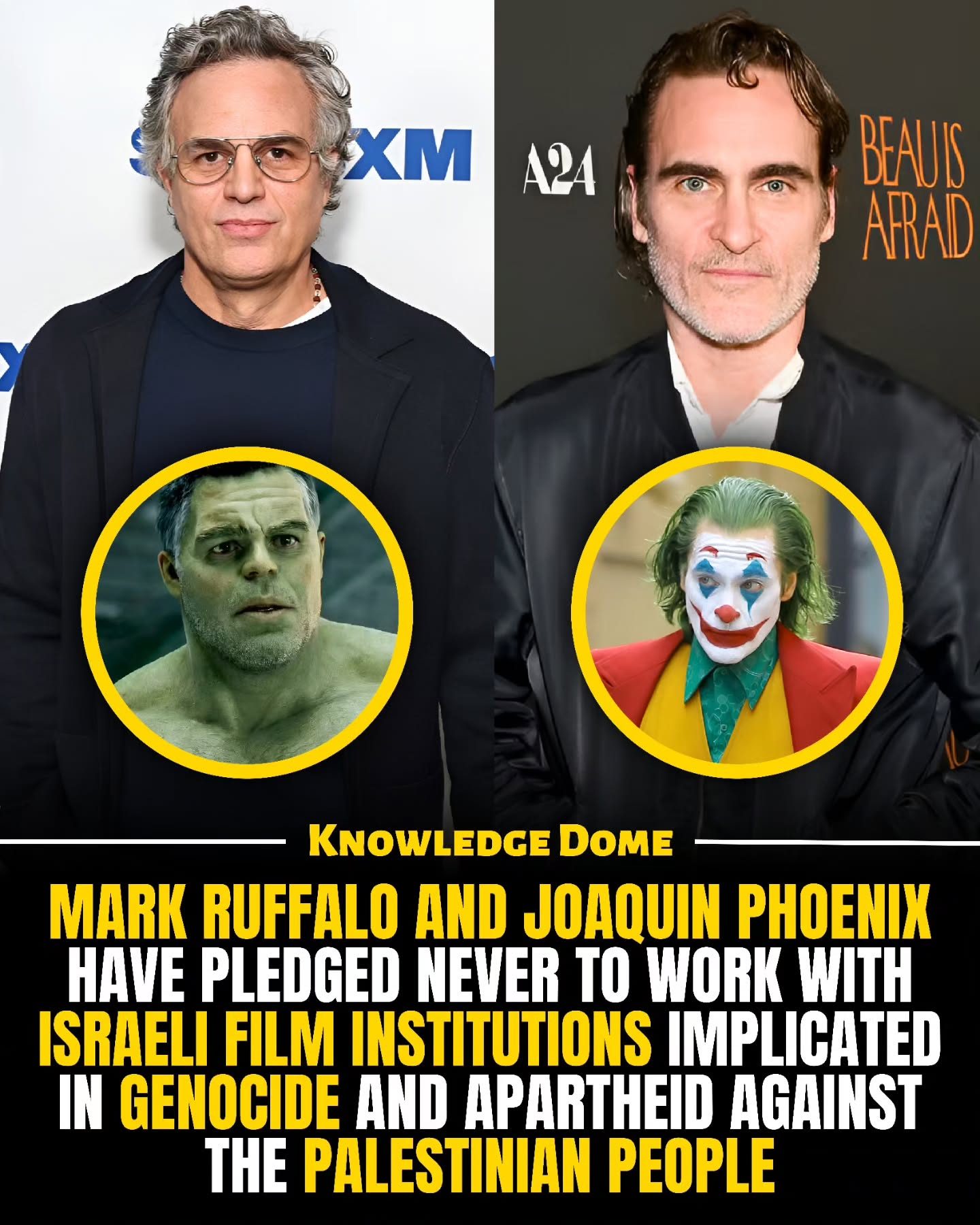
Mark Ruffalo, Joaquin Phoenix, and over 4,000 other professionals in the film industry have taken a strong position by signing the Film Workers for Palestine pledge in September 2025. This commitment involves refusing to collaborate with Israeli film institutions, which the group alleges are involved in genocide and apartheid against the Palestinian people. The main goal of this pledge is to challenge the institutions that are seen as supporting or justifying human rights abuses.
Why This Matters
This boycott is not an isolated incident. It is part of a larger cultural movement that has been gaining momentum as artists and public figures respond to the ongoing humanitarian crisis in Gaza. The Film Workers for Palestine initiative highlights Israeli film institutions that allegedly help justify these violations through cultural and artistic partnerships.
The Institutions Involved
Jerusalem Film Festival
The Jerusalem Film Festival is one of the many Israeli film institutions cited in the pledge. The festival has been accused of maintaining ties with the Israeli government, which critics say makes it complicit in human rights abuses. By associating with such institutions, film professionals argue that they inadvertently support the actions of the Israeli government.
Haifa International Film Festival
Another institution in the spotlight is the Haifa International Film Festival, which is similarly accused of having connections with the Israeli government. These connections are seen as problematic because they may imply endorsement of the government's actions.
Docaviv
Docaviv, a documentary film festival, is also mentioned in the pledge. Critics believe that festivals like Docaviv contribute to justifying human rights violations. This is done by offering a platform for works that might present a biased or incomplete view of the situation in Gaza.
The Reaction from Israeli Film Bodies
The boycott has met with sharp criticism from Israeli film bodies, who denounce the boycott as "deeply troubling." They argue that it damages artistic collaboration and the free exchange of ideas. They also contend that it risks alienating international allies.
The List of Signatories
The list of signatories includes some of the biggest names in the film industry. This includes Mark Ruffalo, Joaquin Phoenix, Olivia Colman, Emma Stone, Andrew Garfield, Tilda Swinton, Riz Ahmed, Javier Bardem, and Susan Sarandon. Such high-profile support for the boycott indicates the seriousness of the concerns raised by the movement. By refusing to work with these institutions, these actors are sending a strong message and encouraging others to follow suit.
Practical Tips for Filmmakers and Industry Professionals
This controversy highlights the importance of ethical considerations for those working in the film industry:
Research and Due Diligence
It's essential to do thorough research and exercise due diligence when considering collaborations or partnerships. This means looking beyond the artistic aspects and considering the ethical implications. Filmmakers and industry professionals should be aware of the broader context and potential consequences of their collaborations.
Ethical Considerations
Ethical considerations should be an integral part of the decision-making process. This includes considering how partnerships might impact individuals or groups who are marginalized or vulnerable. By making ethical decisions, filmmakers can ensure that their work does not inadvertently support harmful practices or policies.
Alternatives and Boycotts
When institutions are implicated in harmful practices, finding alternative partners or boycotting them altogether is a viable option. This can be a powerful way to send a message and promote change.
Important Takeaways
The boycott is not just about Israeli film institutions. It is about the broader role of cultural and artistic partnerships in justifying human rights violations. The film industry has a responsibility to its audience and the broader public to promote ethical practices.
Conclusion
The Film Workers for Palestine pledge is a significant move in the ongoing debate about the role of cultural and artistic partnerships in human rights violations. By refusing to collaborate with institutions they believe are implicated, film professionals are taking a stand. This move highlights the responsibility of the film industry to consider the ethical implications of its collaborations and to promote positive change.
Watch the Reel
Questions readers ask
Who initiated the boycott against Israeli film institutions and when?
Mark Ruffalo and Joaquin Phoenix, along with over 4,000 film professionals, initiated the boycott in September 2025. They signed the Film Workers for Palestine pledge, which commits them to refusing collaboration with Israeli film institutions.
What are the main allegations against Israeli film institutions?
The boycott is in response to allegations that Israeli film institutions are involved in genocide and apartheid against the Palestinian people, and that they support or justify human rights abuses.
What is the ultimate goal of the Film Workers for Palestine pledge?
The main goal of the pledge is to challenge the connections between Israeli film institutions and human rights abuses, ultimately aiming to pressure these institutions into changing their policies.
Is this the first instance of a boycott in the film industry related to Israeli institutions?
No, this boycott is part of a larger cultural movement that has been gaining momentum as artists and public figures respond to the ongoing humanitarian crisis in Gaza.
What specific actions are film professionals taking as part of the boycott?
Film professionals who have signed the pledge are committing to refusing to collaborate with Israeli film institutions. This includes not working on projects or events associated with these institutions.
How many film professionals have signed the Film Workers for Palestine pledge?
As of the latest information, over 4,000 film professionals have signed the Film Workers for Palestine pledge, demonstrating widespread support for the boycott.
Recent articles
Fresh deep dives from the latest Reels we unpacked.




Comments
Be the first to comment.