U.S. Military Bases in Europe: The Debate Over Funding and Control
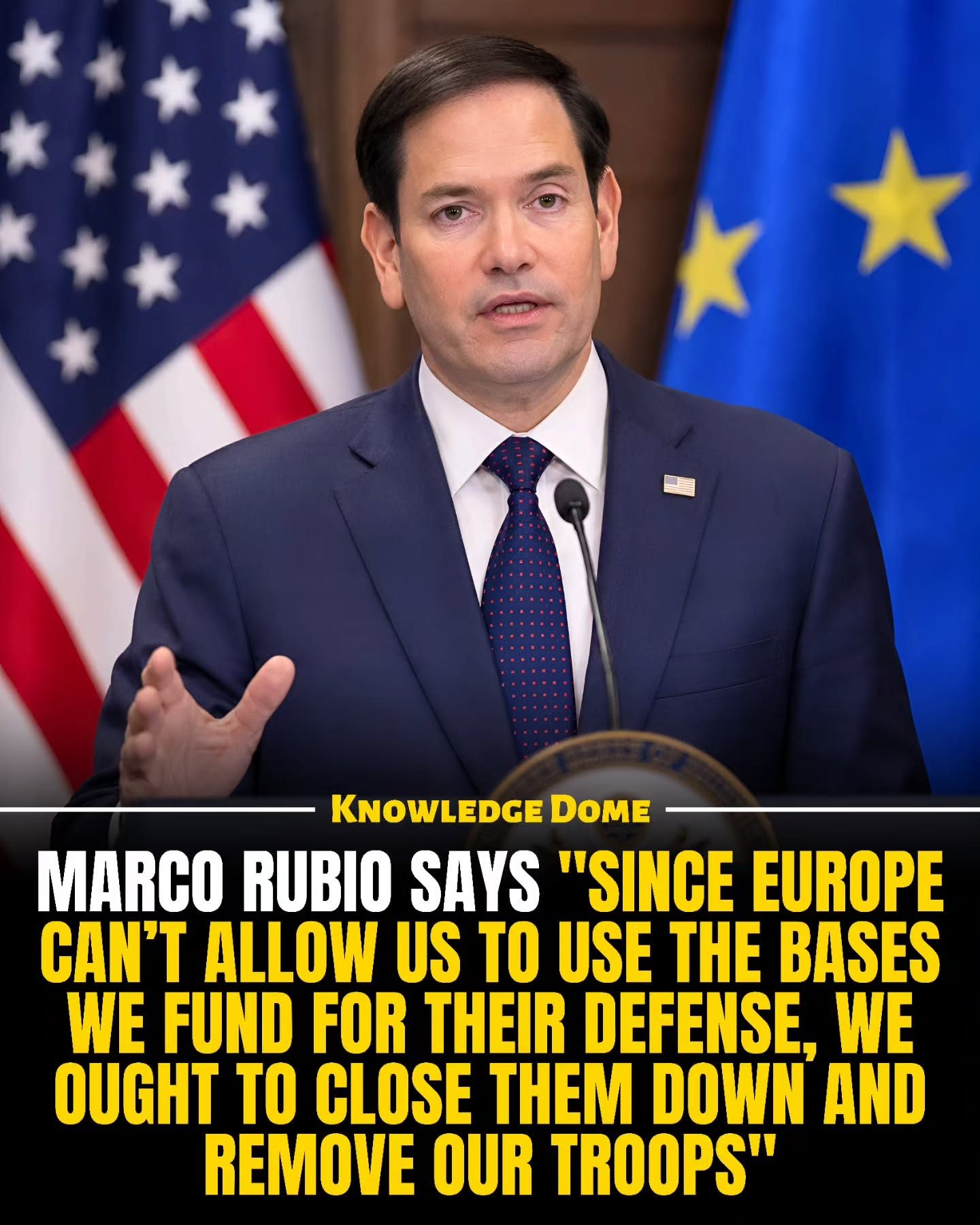
Marco Rubio's recent comments about U.S. military bases in Europe have ignited a heated debate about defense funding, troop deployment, and the future of NATO. The controversy centers around Rubio's suggestion that if European countries do not allow the United States to use the military bases it funds, then America should consider closing those bases and bringing its troops home. This statement has intensified discussions about who should bear the cost and responsibility for Europe's defense.
Context: Why This Matters
The issue gained traction after some European countries, notably Spain, reportedly resisted allowing the U.S. to use certain airspace and military bases for operations related to the conflict with Iran. Rubio's stance is clear: if Europe wants to maintain control over these bases, it should also shoulder more of the financial and operational burden. This debate is not just about military strategy; it touches on broader questions of international relations, shared security, and the future of U.S. military presence in Europe.
The Current State of U.S. Military Bases in Europe
The United States has maintained a significant military presence in Europe since the end of World War II. This presence is crucial for NATO's collective defense strategy, ensuring that European nations can respond to threats quickly and effectively. However, the cost of maintaining these bases and deploying troops is substantial, and the burden is largely borne by the U.S.
The Funding Dilemma
One of the central issues in this debate is the funding of these military bases. The U.S. provides significant financial support for these installations, which are used not only by American forces but also by NATO allies. Rubio's comments highlight a growing frustration within the U.S. about the disproportionate cost of defending Europe. Some argue that European countries should contribute more to reduce the financial strain on the U.S. and ensure a more equitable partnership.
The Strategic Implications
Rubio's statement also raises strategic questions about the future of U.S. military focus. If the U.S. were to reduce its presence in Europe, it could potentially shift resources toward other regions, such as the Asia-Pacific or the Middle East. This shift could have significant implications for global security dynamics, potentially altering alliances and defense strategies in various parts of the world.
The Role of NATO
NATO, the North Atlantic Treaty Organization, has long been a cornerstone of European defense, providing a framework for collective security. The current debate underscores the importance of NATO in ensuring that all member countries contribute fairly to their shared defense. Rubio's comments challenge the existing funding model and call for a reevaluation of how costs and responsibilities are distributed among NATO allies.
Practical Tips for Navigating the Debate
For Policymakers
-
Engage in Open Dialogue: Policymakers should foster open and transparent dialogues with European allies to address concerns about defense funding and troop deployment. This can help build trust and ensure that all parties feel heard and valued.
-
Explore Alternatives: Consider alternative funding models and operational strategies that can distribute the cost and responsibility more equitably among NATO members. This could include joint-funding initiatives or shared resource pooling.
-
Assess Strategic Priorities: Evaluate the strategic importance of maintaining a strong U.S. military presence in Europe and consider how resources could be reallocated to address emerging threats in other regions.
For the Public
-
Stay Informed: Stay updated on the latest developments in this debate. Understanding the complexities and implications of U.S. military presence in Europe can help informed discussions and decision-making.
-
Engage in Community Discussions: Participate in local and national discussions about defense policies and their impact on international relations. This can provide insights into different perspectives and help shape public opinion.
-
Support Transparent Governance: Advocate for transparent and accountable governance in defense spending and military operations. This can ensure that resources are used effectively and that all stakeholders are held responsible for their contributions.
Important Takeaways
The debate sparked by Marco Rubio's comments highlights several key points:
-
Funding Disparities: There is a growing concern about the disproportionate funding burden on the U.S. for European defense. This issue requires a balanced approach to ensure equitable contributions from all NATO allies.
-
Strategic Shifts: The potential reduction of U.S. military presence in Europe could have far-reaching implications for global security. Strategic adjustments need to be carefully considered.
-
Role of NATO: The debate underscores the importance of NATO in maintaining collective security. It also highlights the need for reform within the organization to address funding and resource allocation.
-
Public Engagement: Public engagement and transparency are crucial in shaping defense policies. Open dialogues and informed discussions can help navigate the complexities of this debate and ensure that all voices are heard.
Conclusion
The controversy surrounding Marco Rubio's comments about U.S. military bases in Europe highlights the complexities of defense funding, troop deployment, and international relations. While the debate is ongoing, it is clear that a balanced and equitable approach is essential for maintaining strong and effective defense strategies. As the discussion evolves, staying informed, engaged, and transparent will be crucial in shaping the future of U.S. and European defense policies.
Watch the Reel
Questions readers ask
What is Marco Rubio’s proposal regarding U.S. military bases in Europe?
Marco Rubio has proposed that if European countries restrict the use of U.S.-funded military bases, the United States should consider closing those bases and withdrawing troops. This proposal aims to address concerns about shared defense responsibilities and operational control.
Which countries are involved in this debate?
The debate has been sparked by actions from countries like Spain, which reportedly restricted U.S. access to certain airspace and military bases. This has led to a broader discussion involving other European countries and NATO allies.
What are the potential benefits and drawbacks of reducing the U.S. military presence in Europe?
Reducing the U.S. military presence could save funding and resources, allowing the U.S. to allocate more to other defense priorities. However, it could also weaken NATO's deterrence capabilities and strain alliances, potentially shifting the burden of defense to European countries.
How has this proposal affected the future of NATO?
Rubio's proposal has intensified discussions about NATO's future and the distribution of defense responsibilities. It has raised questions about European countries' willingness to increase their defense spending and take on more operational control.
What does this mean for U.S. troop withdrawal from Europe?
If Rubio’s plan is implemented, it could lead to a significant reduction in U.S. troops stationed in Europe. This would involve closing military bases and repatriating personnel, which could have substantial logistical and strategic implications.
What are the implications for European defense spending?
The proposal underscores the need for European countries to increase their defense spending to compensate for a potential reduction in U.S. military presence. This could lead to a shift in defense budgets and operational responsibilities within NATO.
Recent articles
Fresh deep dives from the latest Reels we unpacked.




Comments
Be the first to comment.