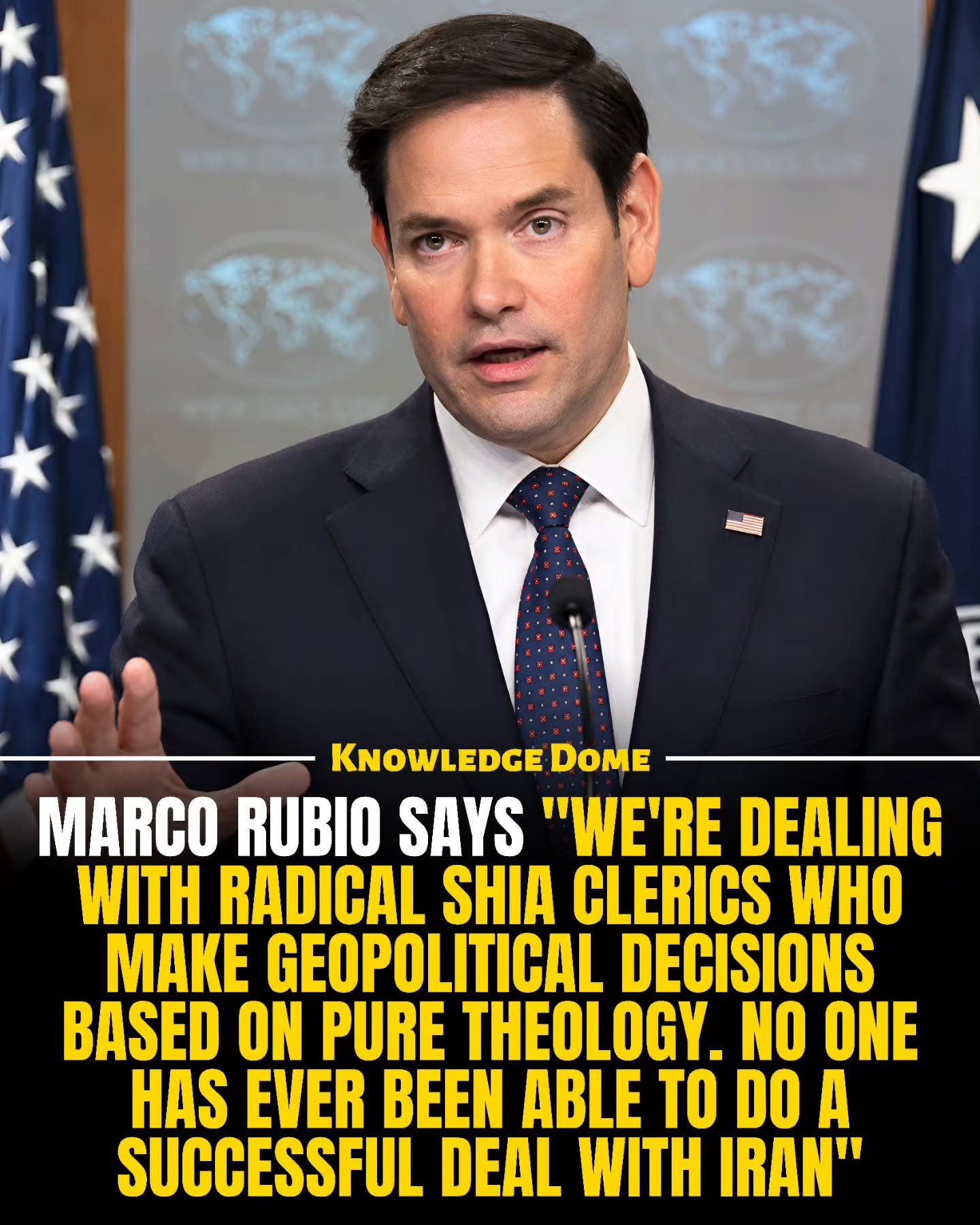
Negotiating with Iran: The Challenges and Persian Power Dynamics
The complexities of negotiating with Iran, particularly regarding its nuclear program, have long been a focal point of global diplomacy. The United States, under the leadership of Secretary of State Marco Rubio, continues to engage in diplomatic efforts despite the numerous challenges posed by Iran's internal politics and religious leadership.
Context: The Significance of Diplomatic Talks
The United States' ongoing diplomatic talks with Iran are crucial for several reasons. Firstly, the potential for nuclear proliferation is a global concern that requires international cooperation. Secondly, the stability of the Middle East, a region already fraught with conflicts, hinges on successful diplomatic negotiations. Lastly, the internal dynamics of Iran, including the influence of hardline Shia clerics, add layers of complexity to these talks.
The Role of Shia Clerics in Iran's Decision-Making
Understanding the influence of Shia clerics in Iran is pivotal for grasping the challenges in diplomatic negotiations. Marco Rubio’s remarks highlighted that Iran is governed by hardline Shia clerics whose decisions are deeply rooted in theology rather than conventional political motivations. This theological basis means that negotiations are not purely political or pragmatic but are influenced by religious doctrines.
Theological Influence on Geopolitics
The statement "dealing with radical Shia clerics who make geopolitical decisions based on pure theology" underscores the unique challenges posed by Iran's leadership. Traditional diplomatic strategies, which often rely on compromise and mutual benefit, may not always align with the religiously driven motives of the Shia clerics. This divergence creates significant hurdles in reaching a mutually acceptable agreement, as the clerics' decisions may not be malleable to the same extent as those of a more secular leadership.
Multiple Power Centers within Iran
Iran’s internal politics are marked by various power centers, each with its unique agenda and influence. These factions include hardline conservatives, reformists, and other interest groups. The interplay between these factions complicates negotiations, as any agreement must navigate not just international pressures but also internal Iranian politics. The presence of these power groups means that even if an agreement is reached, its implementation may face internal resistance.
The U.S. Perspective and Diplomatic Efforts
Despite these challenges, the United States remains committed to negotiating a peaceful resolution. Secretary of State Marco Rubio emphasized that American negotiators are actively engaged in discussions, underscoring the preference for diplomatic solutions over conflict. This stance is in line with the broader U.S. foreign policy goal of resolving international disputes through dialogue and negotiation.
The Importance of Peaceful Resolution
The preference for peaceful resolution reflects a broader strategy to avoid military engagements, which could have severe and unpredictable consequences. The U.S., therefore, continues to explore all avenues of diplomacy, even in the face of significant challenges. This approach aims to create a stable and predictable environment in the Middle East, which is crucial for regional and global security.
Practical Tips for Understanding Diplomatic Challenges
Navigating diplomatic challenges, especially in the context of Iran, requires a nuanced understanding of both the external and internal factors at play. Here are some practical tips for gaining a deeper understanding of these complexities:
- Stay Informed: Regularly follow updates from credible news sources and official statements from diplomatic channels.
- Understand the Historical Context: Gain insights into the historical relations between the U.S. and Iran, as well as the broader geopolitical landscape of the region.
- Analyze Internal Dynamics: Pay attention to the internal power struggles within Iran, as these can significantly impact the outcome of negotiations.
- Consider Religious Influences: Recognize the deep influence of religion in Iranian politics and how it shapes their decision-making processes.
- Engage with Experts: Seek insights from experts in Middle Eastern politics, diplomacy, and religious studies to gain a more comprehensive understanding.
Important Takeaways
Navigating the complexities of negotiations with Iran requires a deep understanding of the internal and external factors influencing the process. Key points to consider include:
- Religious Influence: The decisions of Iran’s Shia clerics are heavily influenced by religious doctrines, which affects their approach to negotiations.
- Power Dynamics: The presence of multiple power centers within Iran complicates the negotiation process, as different factions may have conflicting interests.
- Diplomatic Commitment: The U.S. remains committed to a peaceful resolution, despite the challenges, emphasizing the importance of diplomatic endeavors.
- Global Implications: The outcome of these negotiations has far-reaching implications for global security and stability, making it a critical issue for international diplomacy.
Conclusion
The diplomatic efforts between the United States and Iran are characterized by numerous challenges, primarily due to the influence of hardline Shia clerics and the complex internal politics of Iran. Despite these hurdles, the U.S. continues to engage in negotiations, underscoring the importance of diplomatic solutions in maintaining global stability. Understanding these dynamics is crucial for anyone following international relations and the geopolitical landscape, especially in the context of the Middle East. As the situation evolves, staying informed and analyzing the key factors will be essential for grasping the intricacies of this ongoing diplomatic effort.
Watch the Reel
Questions readers ask
Who is Marco Rubio and what is his role in Iran talks?
Marco Rubio is a prominent American politician who has been involved in diplomatic efforts with Iran. As a key figure in U.S. foreign policy, he has been vocal about the challenges posed by Iran's internal politics and religious leadership, particularly the influence of hardline Shia clerics, during negotiations over Iran's nuclear program.
Why are negotiations with Iran complex due to Shia clerics' influence?
The influence of hardline Shia clerics in Iran makes negotiations complex because their decisions are often driven by religious doctrines rather than traditional diplomatic goals. This theological motivation can create conflicts with the objectives of Western nations, making it challenging to reach a mutually acceptable agreement on topics like the nuclear deal.
What are the primary challenges in diplomatic talks with Iran?
Diplomatic talks with Iran face several challenges, including the influence of hardline Shia clerics, the potential for nuclear proliferation, and the need for diplomatic stability in the Middle East. These challenges are exacerbated by the unique political and religious dynamics within Iran, which often diverge from the objectives of international diplomacy.
How does Iran's religious leadership impact its political dynamics?
Iran's religious leadership, particularly the hardline Shia clerics, significantly impacts its political dynamics. Their decisions, guided by religious doctrines, can override traditional political considerations, making it difficult for other nations to predict or influence Iran's actions during negotiations.
What role does Iran's nuclear program play in global diplomacy?
Iran's nuclear program is a critical issue in global diplomacy due to concerns about nuclear proliferation. The potential spread of nuclear weapons poses a significant threat to international security, making it essential for the United States and other nations to engage in diplomatic talks with Iran to mitigate this risk.
Why are ongoing diplomatic talks with Iran crucial for the Middle East?
Ongoing diplomatic talks with Iran are crucial for the Middle East because the region is already fraught with conflicts. Successful negotiations can help stabilize the area, reduce tensions, and prevent further escalation of hostilities. This stability is essential for promoting peace and security in the region.
What makes the negotiation process with Iran different from other diplomatic efforts?
The negotiation process with Iran is different due to the significant influence of religious doctrines on Iran's political decisions. Traditional diplomatic strategies that focus on political and economic incentives may not be effective. Understanding and addressing the theological motivations of the hardline Shia clerics is essential for progress in these talks.
Related deep dives
Similar reads based on topic and creator.

Recent articles
Fresh deep dives from the latest Reels we unpacked.




Comments
Be the first to comment.